my coffee brewing is about to get real… [casual fri]


Friends know that I’m a coffee snob. Real coffee snobs know I’m only a wanna-be coffee snob. I myself know that the latter group is probably more right, but nevertheless, this doesn’t prevent from trying to edge ever closer to my dream of being a real coffee connoisseur.
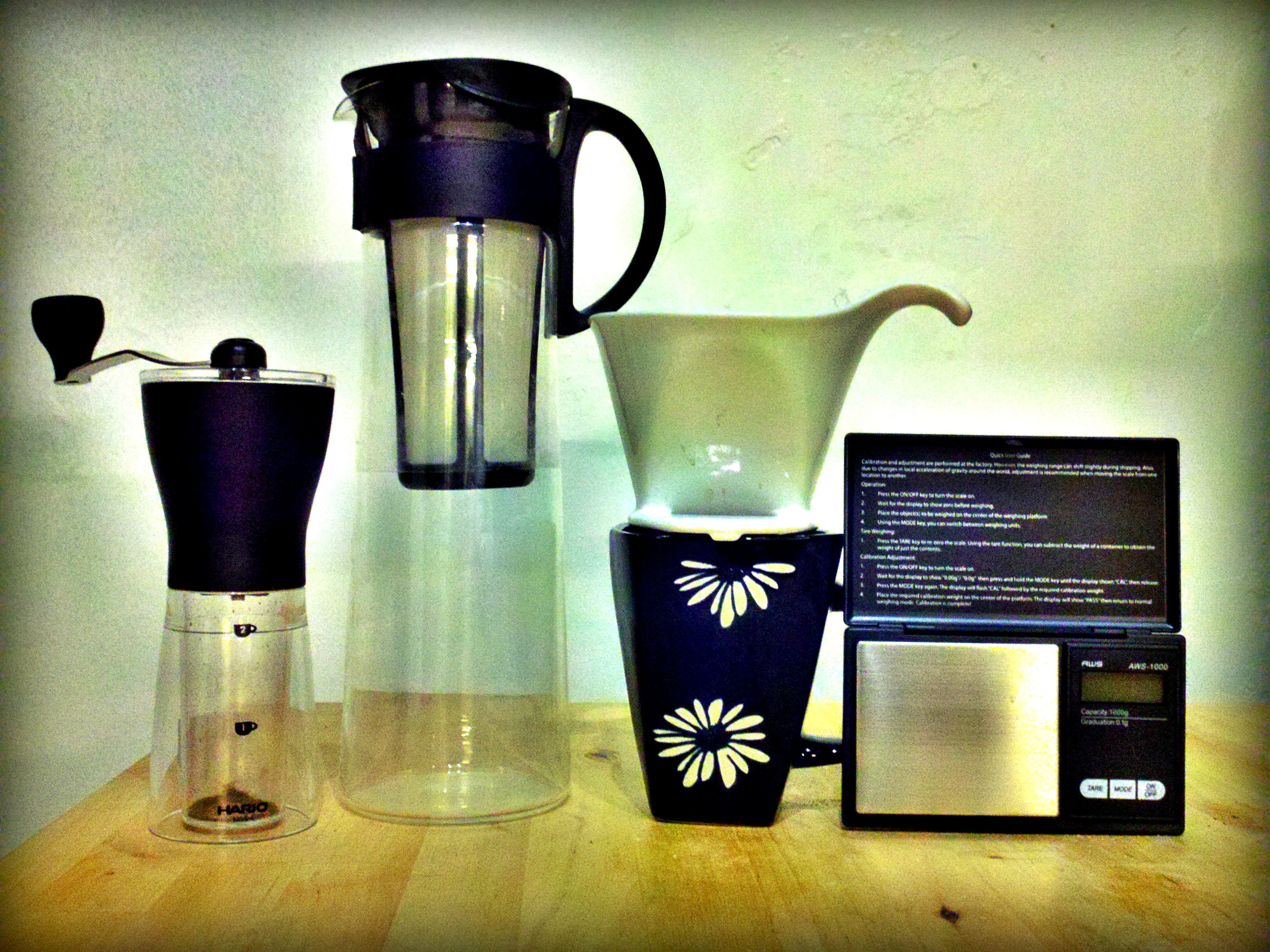
To that end, I recently invested in the above materials, and I wanted to share them with you on this Casual Friday.

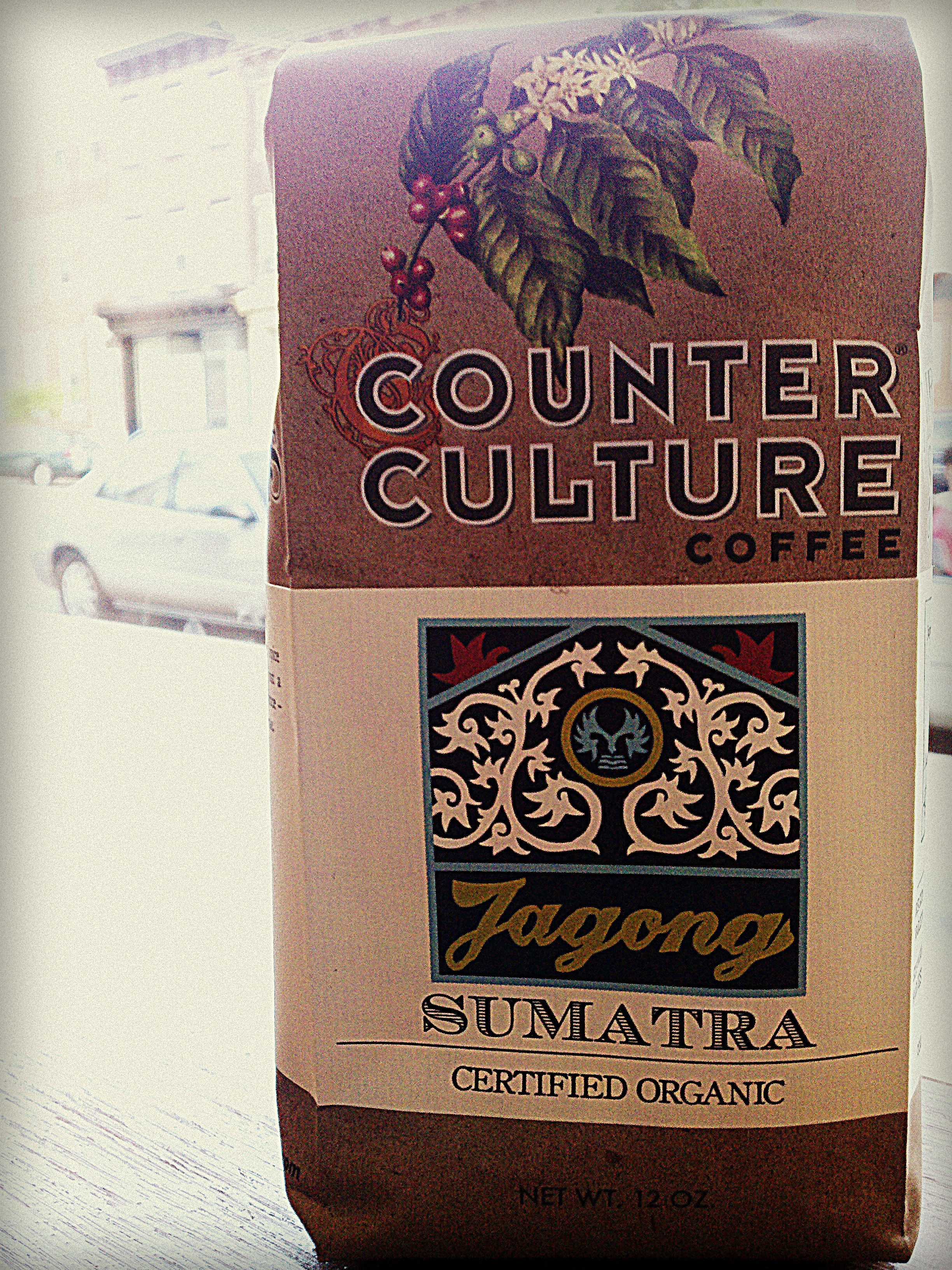
I love hand grinding the coffee beans each morning, and this particular cold brew method creates some of my favorite iced coffee around. Being able to weigh the beans has made a big difference as well. The only things missing? Well, a proper kettle like this one. Currently, I’m using our regular ol’ tea pot, which isn’t able to offer as much control as I’d like.

But maybe, someday, I can earn my coffee snob badge.
How do you use the Bible and Bible knowledge in your spiritual life? [OPEN MIC]


This weekend, I will be teaching the last class in my six-week Bible Survey class at my church. I want to end the class talking about how to use the Bible (and especially the knowledge gleaned from the class) in one’s personal (and corporate) spiritual life. How does the Bible actually function in a believer’s life to cultivate a dynamic, deep, and intimate relationship with Christ and the Holy Spirit? I have my own thoughts on this, but I want to hear from all of you. So here are some questions:

  • Do more Bible “facts” actually have a direct impact on your spiritual engagement with God? In other words, has studying the backgrounds of the Bible ever led to meeting God? How or why not?
  • What practical methods of immersing oneself in Scripture have been most fruitful to you spiritually?
  • How might people use the tools of Biblical Studies (commentaries, etc.) to treat the Bible formationally, rather than merely informationally?
  • For those that are oriented in such a way that they constantly want to know the context, background, history, date, etc. of Scripture, how have you been able to quiet all these questions in order to meet God?
  • Similarly, for those more “intellectually”-oriented, how have you been able to move beyond the intellect to engage other parts of yourself with Scripture?
  • How do we move beyond facts of Scripture to the Person of Scripture?
  • If (as I said in the first class, and other theologians have said) the Bible only “becomes” the Word of God as the Holy Spirit meets us during our engagement with it, what have been the most effective practical ways that you have invited the Holy Spirit into your Bible Study time?
  • In your experience, what have been some of the pitfalls in other approaches that are commonly endorsed by the contemporary church, or what are some of the realities that aren’t talked about often?
  • What would you say if you were me (haha)?

Feel free to respond below, in a Facebook comment, email, text, or phone call. Thanks.

Class 5: Intertestament, pt. 2; NT Intro; Gospels; Acts


This week was the fifth week in the six-week Bible Survey class I’m doing at my church.

And wow, we covered a lot in the class. But still, this class probably had the greatest percentage of material I had prepared that was not actually touched on in the talk. This makes the manuscript that much more full of extra material.

Covering the topics above, I have 35 pages of material below.

You may have noticed that I never actually finished the materials I talked about last week. Well, entering into an entirely new testament of the Bible put me in a mindset that I just couldn’t go back to finish up writing about every one of the Prophets. I’ll do it someday. I promise.

Lastly, mark your calendars for August 25th, where we will be going to University of Pennsylvania Museum of Archaeology and Anthropology. You really won’t want to miss this. Details to come next week.

This Lecture Covers:

  • A discussion of the Political and Religious history between the Old and New Testaments
  • An Introduction to the Background of the New Testament
  • Background and context of Jesus, his upbringing, and his life
  • Survey of the content and background of the Gospels.
  • An extensive and in-depth look at the book of Acts.

Download: [Audio] [Notes] Continue reading

the order of the cosmos; the chaos of our souls [QUOTE]


We have been to the moon, we have charted the depths of the ocean and the heart of the atoms, but we have a fear of looking inward to ourselves because we sense that is where all the contradictions flow together.

Terence McKenna

This is why, I feel, that Order had to take on Disorder, and order it within Himself: so that all things, though still in chaos, might find their rest in Him.

Visions of Arcadia: the most terrifying art exhibit I’ve ever seen


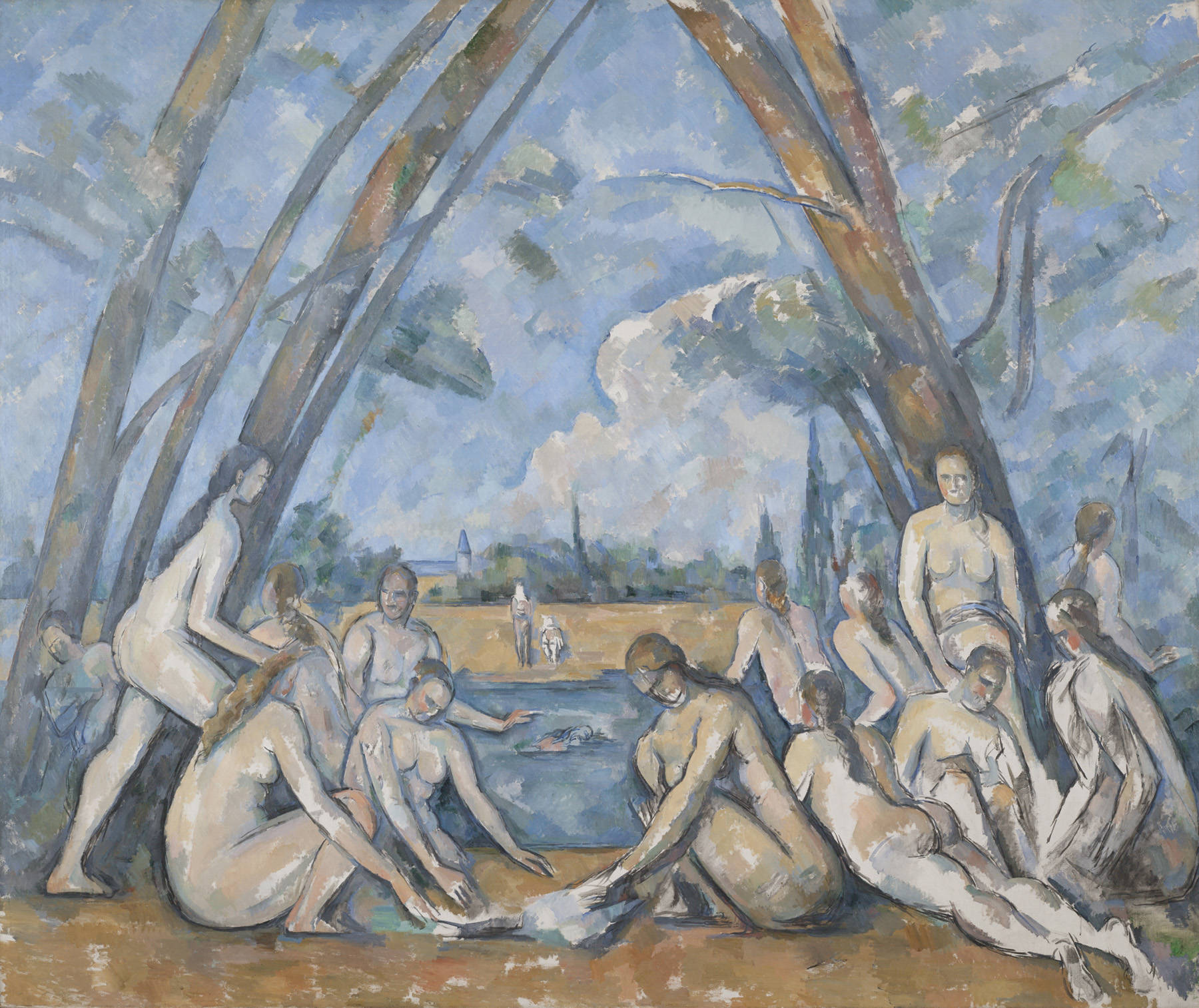
This weekend I had the privilege of seeing the Philadelphia Museum of Art’s new exhibit Gauguin, Cézanne, Matisse: Visions of Arcadia. The exhibit showcases works exploring the idea of “Arcadia“: an idyll pastoral world envisaged in Virgil’s first major poetic work Eclogues where nymphs and fauns dwell alongside Bacchus and Pan; where human dwellers exist in peace, rest, and joy in the natural world.

(To put it simply: you can usually recognize Arcadian themes at work in a piece of art when it has naked people hanging out in nature–usually around rivers.)

This image of Arcadia, having been explored in art epochs in the past, overtook art once more right as modern art was being born, right around the turn of the 20th century. In fact, the exhibit subtly makes the argument that this image of a rural, paradisal ideal is an essential element in modern art’s development. The modernists’ dilemma–the tensions between longing and reality, finding and losing, permanence and transience, human and mythic–all find their embodiment in this Arcadian world.

The exhibit begins with excerpts from Virgil’s poetic treatment of this theme, set beside works that visualized his words. These run along one wall. On the opposing wall of this introductory hallway, there are excerpts from Stéphane Mallarmé’s modernist treatment of Arcadia, L’Apres-midi d’un Faune, accompanied by pen-and-ink drawings from Matisse that visualize his words.

The exhibit is great, but very theoretical. It works subtly and on nuance. It’s not just a bunch of pretty things thrown into a room. Instead it is a thesis–an argument–in visual form. It watches a theme develop from myth to poetry to visual art (and then from Renaissance to modern) and explores how they are all connected and converse with one another. It’s really like no other exhibit to which I’ve ever been. If you get the chance, see it.

But that’s not why I’m writing today.
Continue reading