“Rage Against the Dying of the Light”: My Good Friday Sermon


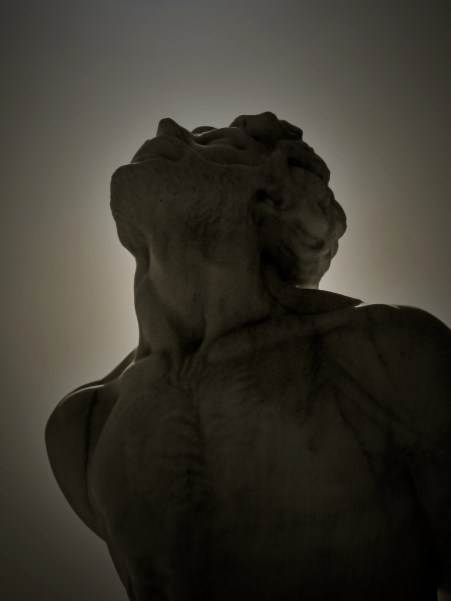
job-silohetteI had the honor of giving the reflection at our Good Friday service this year. For the service, we did a series of extended readings, from Luke 22.39-23.56, from Jesus praying in Gethsemane to his burial.

Preaching on this passage was a unique privilege for me, having recently returned from Israel. I walked these very steps that Jesus takes in our story. I prayed in the shade under the Olive Trees in the Garden of Gethsemane on the Mount of Olives. I walked down the Kidron Valley to the place where it’s actually quite possible Jesus was imprisoned overnight, beaten, and mocked. I walked through Old City Jerusalem to the fortress of Pilate. Our hotel was right outside the old city walls near the place of Crucifixion.

This passage therefore, especially in light of that trip, was so rich with meaning throughout. Nevertheless, the focus of my message was living in the darkness and tension between Good Friday and Easter.

Here’s the audio:

You can also download it here, or subscribe to our podcast. If reading is more your style, here (and below) is my manuscript for your perusal. Also, here is a picture of the cemetery I reference in the sermon:
Continue reading
My Sermon on Christ in the Darkness (John 1)


chagall-exodus

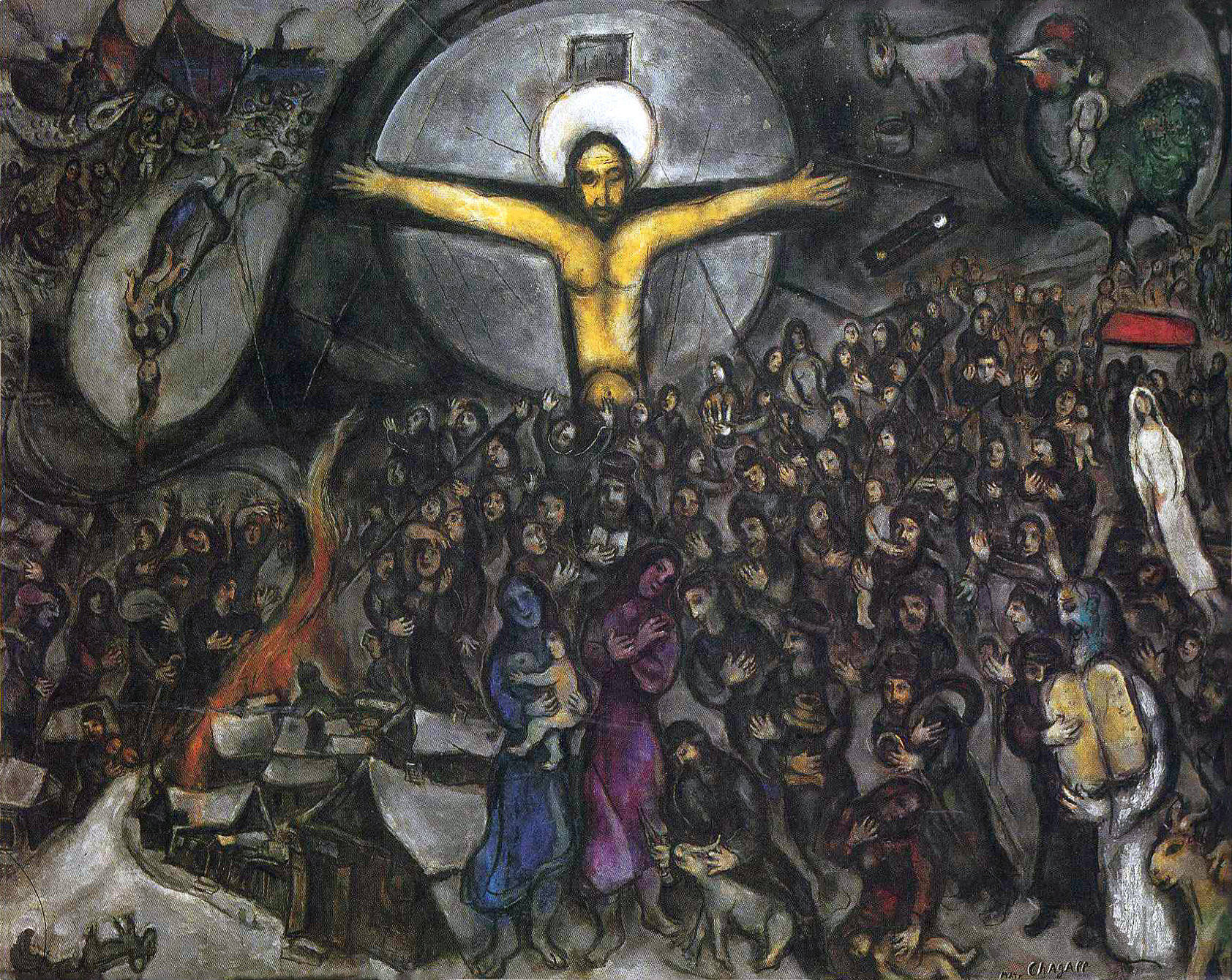
During the Advent season, I preached a sermon on John 1.1-5,10-18, the famous Logos. In the sermon, we talk about Jesus revealing himself in the midst of the darkness of this world and our hearts, and so encouraging us to press all the more deeply into darkness rather than running from it. Looking back on it, I think it’s a very “Lent-y” sermon and so I’d like to throw it up here this week during Holy Week. It was my first sermon I preached without a manuscript, so there’s no version to read (sorry). But here it is for listening:

You can also download it here, or subscribe to our podcast here.

[Image credit: “Exodus”, by Marc Chagall]

American Lent in the Season of Trump


One of the smartest and funniest women at my church, Alyssa, has this great blog you should all follow. In it, her observations on life, cities, and spirituality are whip smart and hilarious. Several weeks ago, she put up a post asking “Is Trump America’s Lent?” She writes:

For the purposes of this argument, let’s call Lent an annual wake-up call, a reminder that we aren’t as good as we think we are….Trump’s success so far is a wake-up call in itself, like a large-scale Lent: maybe we aren’t as good as we think we are. Apparently, as a country we’re actually more racist and fearful than we thought we were just a few months ago, when people laughed at the thought of him actually standing a chance. The land of the free might just be okay with building that wall. The home of the brave is actually pretty scared of Muslims.

This is incredibly insightful, and I think it turns our national “Trump-versation” to a helpful place in the Lent season. Rather than trying to understand “the Trump voter” on a micro-individual level–a level full of misunderstanding, prejudice, and judgmentalism on all sides–we might turn our gaze inward to our nation as a whole. Looking at the bigger movements and structures of our society, we can ask the hard questions that you can’t really ask when staring another individual in the face.

Continue reading

Good Friday Creation & Re-Thinking “The Fall”


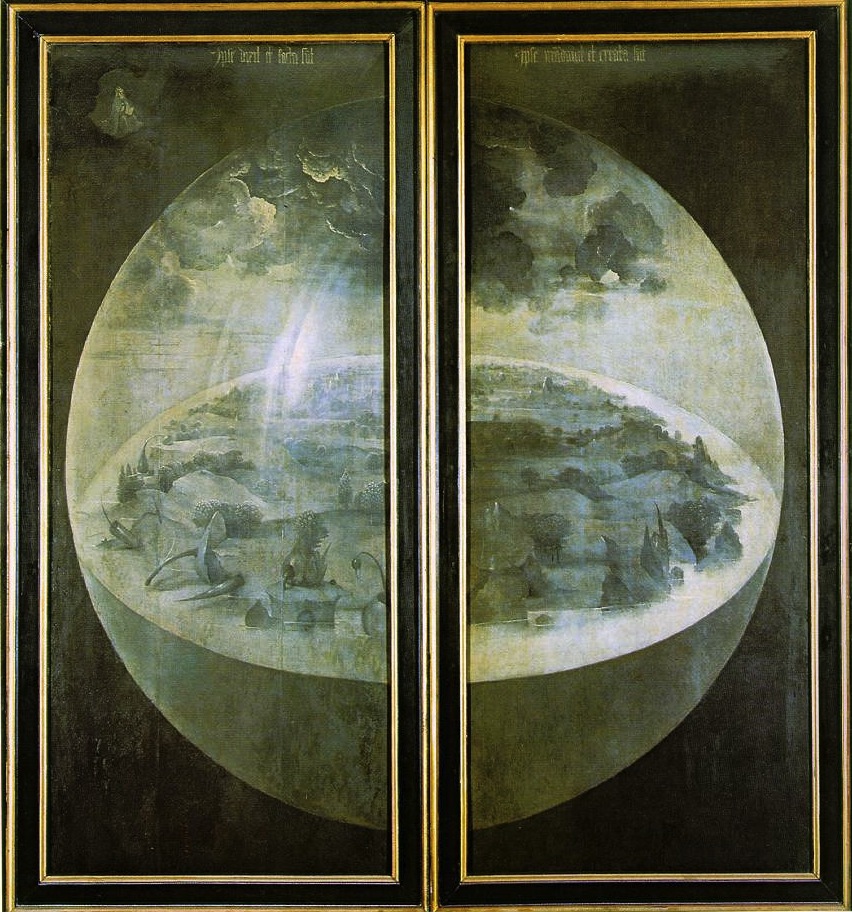
Bosch-Garden-Earthly-Delights-Outer-Wings-Creation-WorldEach year during Lent, I press all the more deeply into a motif that appears throughout the Bible: that in some mysterious way, the God of the Universe has had a “slain” and “suffering” aspect to his nature for all eternity–even before the world came into being.

When this world did come into being, the Bible says that it came to exist “through” this suffering and slain Jesus. Therefore the rhythms of Christ’s own nature and life are written into the very DNA of the world. All of our history is an echo of Jesus’ life, both from eternity past and while on earth.

I’ve written before about what this means for the world and what this means for us, but what might this mean for the entire history of God’s work in this world?
Continue reading

Lent & Ash Wednesday: A Collision of Life & Death


paul-ash-wednesday-2014

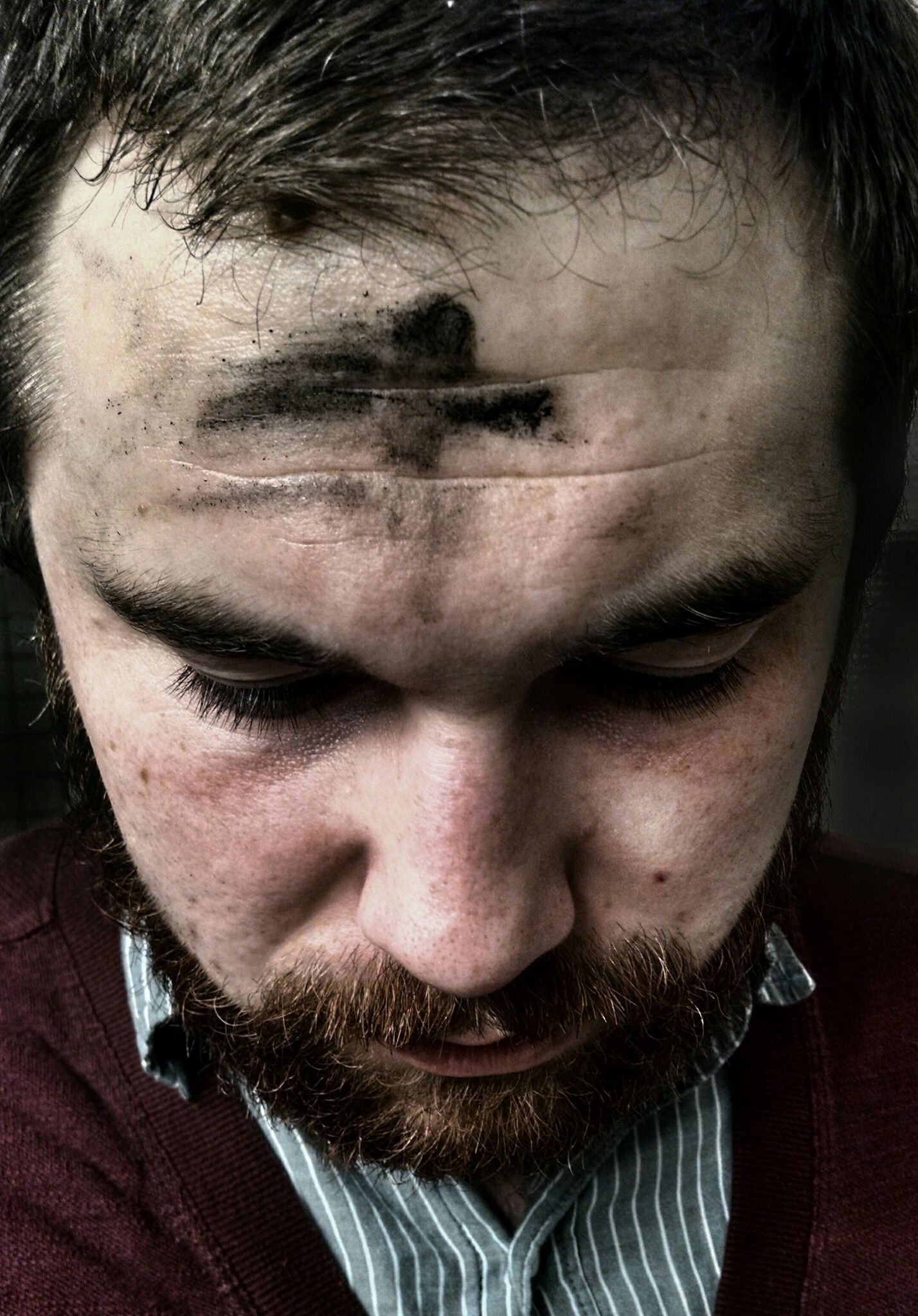
Ash Wednesday is the beginning of Lent, the time in which we turn the volume up on the dark whispers and hauntings in our souls that we spend the rest of the year trying to drown out. It is the season where we feel the gravity of our weakness and finitude. And Ash Wednesday particularly focuses on where we are most weak and most finite: our mortality.

Hundreds of millions (perhaps billions?) of people will gather today to take on one of the most packed symbols of the historic Christian faith: the placement of ashes in the shape of a cross on their forehead. We are called in the ashes to begin this process of mourning our slavery to Sin and Death. In the Ash Wednesday service, we hear the words, “remember from dust you came, and to dust you will return.” Ashes are a symbol of suffering, lament, tragedy, repentance, and mourning.
Continue reading