I hate when I do this. I published a post earlier that had the wrong publishing date on it, soooo….here’s the correct link! Enjoy and comment!
Month: May 2016
Developing Ancient Creeds & The Trinity

Yes, I graduated from seminary, and yet I still have a couple more classes I’m finishing up. One of them is going through the documents, Creeds, Confessions that define the theology of my denomination, the Reformed Church in America. I’m having to write a bunch of reflections on differents aspects of these writings, and I offer them here.
Every way of understanding the world involves creeds and confessions. “Creed” comes from the Latin word meaning “I believe”, and a Confession from the Latin for “acknowledge”. A Creed or Confession, then, is simply a distillation of what you acknowledge and believe. There’s nothing weird or particularly “Catholic” about it.
From Creeds to Trinity
If you are a Christian, no matter which part of the family you call home, your beliefs almost certainly fall in line with what have been called the “Ecumenical Creeds”, which are the oldest and simplest articulations of the Christian essentials. They include the Apostle’s, Nicene, and Athanasian Creeds.
Now, if you were going to start writing out the core of what you believe, where would you begin? The interesting thing about these Ecumenical Creeds is that they are built entirely, both in foundation and structure, around the doctrine of the Trinity. Why?
Continue reading
The Mission of Confession: the World needs the Church to Confess
From the archives: why and how the Confessions of the Church are part of our Mission to and for the world.


And the Lord said, “What have you done? Listen; your brother’s blood is crying out to me from the ground!
—Genesis 4.10
I was taking another look at the verses I wrote about earlier this week, and was struck by a few more thoughts I wanted to share. As I said then, the passage is structured liturgically. The story of Cain and Abel follows the flow of liturgy that God’s people have used for the duration of their existence. (It’s usually something like this: Call to Worship–>Call to Confession–>Passing the Peace–>Word–>Sacrament–>Benediction)
I pointed out that the blood-soaked soil “crying out” was the first instance of lament in the Bible, and it appears in the “Call to Confession” section of this odd liturgy-story, and it shows us how the world bears the weight of our own sin. Looking at it again, though, I see it means much more than just…
View original post 516 more words
Who has a brand new Masters of Divinity degree? This guy.
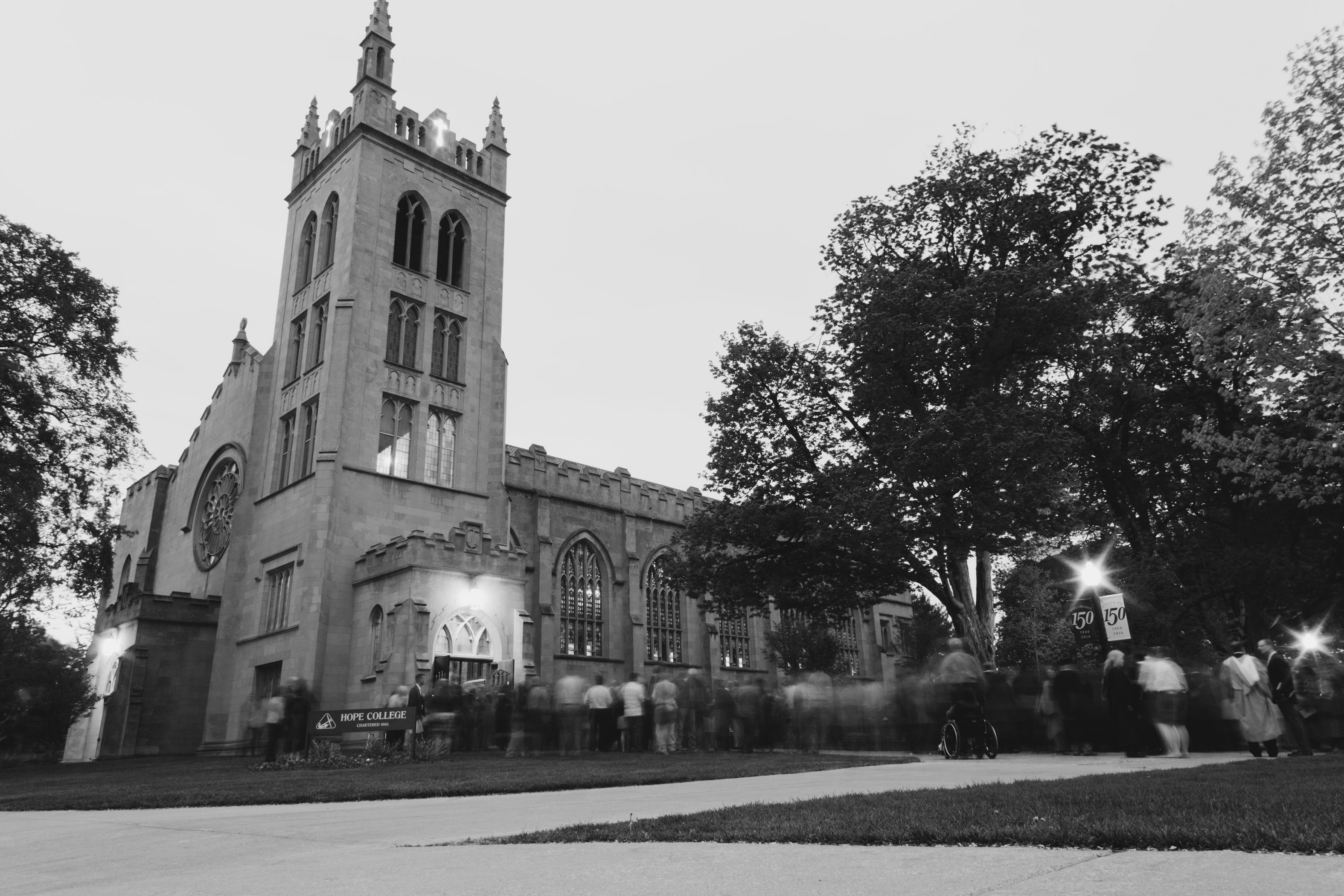
After going to seminary nearly 8 years ago, dropping out after a year, and then returning 5 years later, I have now graduated with my Masters of Divinity from the Newbigin House of Studies program at Western Theological Seminary. (Sorry for all those links.)
I was also proud and humbled to have been voted by the faculty to receive the Stanley A. Rock award in Pastoral Care and Counseling, “for outstanding work in pastoral care and counseling courses and formation for ministry assignments”.
So what now? Well, first I have to finish my last six weeks of classes before actually getting my actual degree. Then I will need to finish my requirements for ordination as a minister in the Reformed Church in America. After that? I’m still figuring it out.
I’ll still be in Philadelphia. I won’t be looking for a ministerial job outside my own church. I’ll continue my job in social work while other opportunities work themselves out. I still hope to do Ph.D. work in the future, but I’m taking a breather for the immediate moment.
Does this mean Gregory the Great would have supported Bernie or Cruz?
Ran across this when looking at some Ancient Commentaries on John 21, and thought it was hilarious. I first thought that Gregory must have been Feelin’ the Bern, but then I wondered if this sounded more like the whole “abolish the IRS” crowd. What do you think?
We know that Peter was a fisherman, whereas Matthew was a tax collector. Peter returned to fishing after his conversion, but Matthew did not again sit down to his business of tax collecting, because it is one thing to seek to make a living by fishing and another to increase one’s gains by money from the tax office. For there are some businesses that cannot—or hardly can—be carried on without sin. And these cannot be returned to after conversion.
— Gregory the Great (540-604CE), Forty Gospel Homilies
 the long way home