National Geographic (& a poem) on International Women’s Day


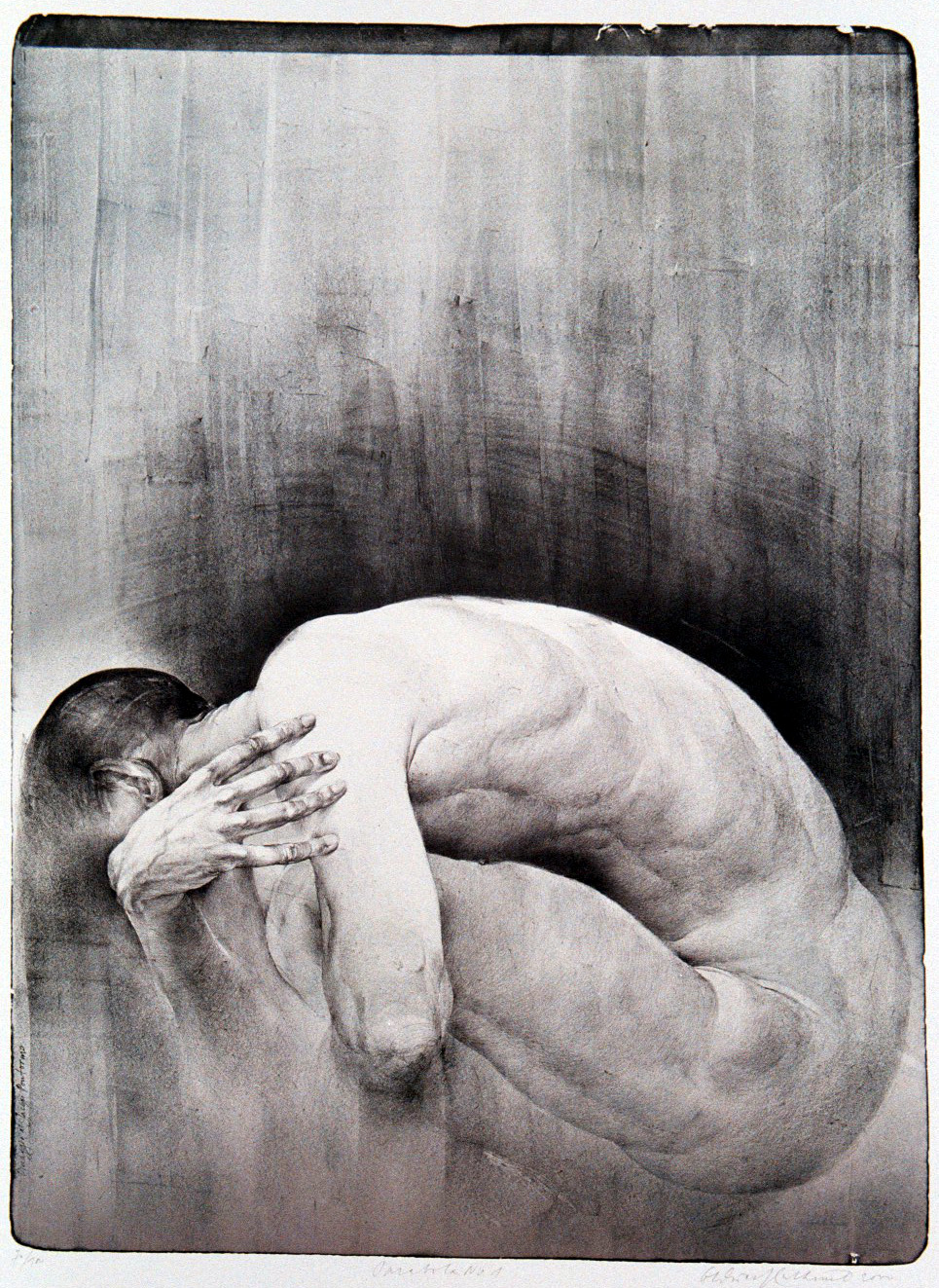
Sandorfi-KalfonariumToday is International Women’s Day, and to honor it, National Geographic has a powerful photo spread of women from around the world, called “Portraits of Strength”. While looking through some of the comments, I saw this beautiful poem posted by the poet herself. Read the poem, see the pictures, and listen to the stories of a woman today.

I am a tree
Helen Bar-Lev

Did you think I was a woman?
Oh no, I am a tree
rooted and immovable
impossible to conceive
the scenes
that I have seen

Now gnarled and warped
weathered and aged
wrinkled and withered
bent to the ends of recognition
too rigid to give in
to the whim of man
I stand true to the tune
of the wind echoing
my own inner rhythm
persistent, consistent, constant

Perhaps every tree
was once a woman –
only a woman could stand so strong
fall so proud
when the axe of age claims her
and earth sets a bed for her

© 10.2006 Helen Bar-Lev


[image credit: “Kalfonarium” by Istvan Sandorfi]

5 Advantages & Disadvantages of Distance Seminary Education


sermon-prep-seminary-books
For the site Best Seminary, I recently wrote two pieces about Distance Education. As I begin:

When I originally entered seminary, it was in a pretty traditional setting. A walled-in, ivy-laden campus with bearded men roaming the grounds, coffee-in-hand. We had a set schedule of classes that we dutifully went to, staring at Powerpoint presentations of varying quality, accompanied by live lecture and in-the-moment Q&A. My classmates and I would spend all our free hours together debating, arguing, refining, and sharing all our theological growth and such.

But after one year there, circumstance and convictions led me to leave that school. I worked for several years, but now I’m back in seminary, in a distance program. These two schools have similar doctrinal convictions, professorial pedigree, institutional history, and such. Therefore, I feel that I’ve been able to experience distance seminary education in a way that hopefully can give insight to anyone out there considering what sort of program to enter.

The first post gives “5 Advantages of Distance Seminary Education“:

  1. You make your own schedule
  2. You can stay invested in your church community and ministry
  3. It’s often more thoughtful and grace-filled
  4. The depth and diversity of community
  5. It’s Incarnational and humbling

The second is “5 Disadvantages of Distance Seminary Education“:

  1. You have to create your own structure
  2. You have less immediate access to the professors—or none at all
  3. It’s greater temptation to be dishonest
  4. Reading, reading, and more reading. Oh, and writing
  5. The experience is less cohesive

Click on those links for more thoughts on each of those points. And don’t forget to leave your own thoughts!

On Theology: Choose Your Own (Feminist) Adventure


Delaunay-City-Paris

I recently told some friends about this year’s Lent series on “Male Feminist Theology”. One of them looked at me suspiciously and said, “I know what each of those three English words mean by themselves, but I have no idea what they mean together; it sounds like you’re fitting together things that don’t naturally go together”.

People often hear phrases like “Black Theology”, “Liberation Theology”, or “Feminist Theology”, and feel like there is a profound arrogance at play–isn’t simple “Theology” enough? Why must each group have their own pet theological opinions that belong only to them? But this is to profoundly misunderstand these theologies.
Continue reading

Let’s try this again: “Going (Back) to Seminary”


cropped-2012-06-26-11-14-02.jpeg

Years ago, on my first go-around with seminary, I wrote for a website called Going To Seminary. The site was started by an old campus minister of mine, and it was meant to be a place for wisdom and encouragement in seminary life. Looking back on the posts I wrote then, I still can’t believe how overzealous and eager I was, just six years ago.

Anyway, the last post I ever wrote for them was called “Realizing Seminary’s Not For You“, in which I wrote about my experience of deciding to drop out of school. Many people found this post encouraging, but astonishingly, the post inspired some comments that were some of the harshest I’ve ever received online for something I’ve written. People couldn’t imagine that God could call someone to seminary and then call them out before it was finished. Surely it must be a lack of trust and faith on my part, right?

Well, I still stand by that decision, and one of the main reasons why is that it set me up to now return to seminary with a much more clear, gracious, and (hopefully) mature mindset on the whole enterprise. Since I’ve been going back to seminary, I suppose it’s time for me to go back to writing on Going To Seminary. And so I have. Today marks the return of my writing on that site (I gave y’all a heads up last week).

Appropriately, my first post is an update and follow up to that previous piece. It’s called “Going (Back) to Seminary“.

It goes through each of those reasons why I left seminary and talks about how God worked in me and my life to lead me back, albeit to a different school. I hope each of you are able to be encouraged in your own journeys with God. Also, leave some comments and let us know what you think!

Check out the rest of my Going To Seminary posts.

Quick Christian Feminism Quiz: What do you think of this image?


edwina-sandys-christa-edit

From Lynn Japinga’s excellent Feminism & Christianity: An Essential Guide (p.93):

Artist Edwina Sandys created a sculpture of a female form, arms outstretched as if hanging from a cross. The sculpture, entitled Christa, has created controversy wherever she is displayed. Critics say the statue defies the historical fact that Jesus was a man. Some viewers feel that the symbol of the cross is degraded or even blasphemed by a Christ in female form. Others are disturbed by the sexual overtones of the naked woman. Some people are troubled by yet another violent image of female suffering. A few people see in the sculpture the message that the death of Jesus symbolizes the pain of all human suffering.

The response to [this image] reveals various theological assumptions. Some people dismiss…the sculpture because they are literally false. Jesus was a man. End of discussion. Other people consider these images offensive and uncomfortable. It insults Jesus, and them as well, to think of him as a woman. These imaginative reconstructions of important events in the life of Jesus pose an important theological question: What difference does it make that Jesus was male?

Have at it. What do YOU think about this piece? What’s your first gut reaction? Why? What difference does it make that Jesus was male?

Continue reading

The best piece I’ve ever read on Mental Health & the Church


Kulhanek-Untitled

“I want to know if you smile when you see me happy again and if a tear runs down your face when you realize that your people are the reason I’ve never quite healed, that chemistry and not Christianity has been my cure.”

~ Lydia Childress,“They’ve Thrown Us Out of the Church Like Lepers”

That’s the opening quote of this amazing piece, “Jesus is not our Zoloft: Reflections on Mental Health and the Church”, by R.L. Stollar, and I think it captures well the heavy heart with which he writes.

I’ll be honest, I don’t know much about Stollar, what he does or what his experiences in this area are, but this blog post is absolutely stunning. It is a response and critique of a recent Gathering on Mental Health and the Church conference, spearheaded by Rick Warren. He sees many things that encourage him, and some others that further dismay him. And he is spot on.

He points out the ways that the Church has wrongly seen mental health issues and mistreated those with them, and he beautifully charts a way forward.

Please read this. Yes, it’s kind of longer than most blog pieces, and doesn’t lend itself to skimming. But if all church leaders and Christians read this and took it to heart, it could change and help so much. The Church needs to hear this.
Continue reading

Writing News: Seminary Thoughts & Musings


paul-surface-coffeeJust wanted to drop a quick note about this. I’ve been asked by an old friend and minister of mine if I could share my varied experiences on seminary life and work on a couple of sites. As those writings get posted, I’ll link to them from here. But, if you’re a seminarian, let me encourage you to follow these sites for my ideas and information on how to engage in seminary preparation, study, life, spirituality, and work well. Both of these sites are in the midst of a revitalization process, so expect some cosmetic looks in the weeks and months ahead. Let me know what you think! Here are the sites:

– Best Seminary.com –
– Going To Seminary.com –

Check out all of my Going To Seminary posts.

Lent: Poems, Mixtapes, Prayerbooks – Oh My!


chagall-exodusI’ll be honest, one of the reasons why I love Lent and the Church Calendar is because it is a helpful corrective for my own personal lack of personal discipline. I’m not especially skilled at putting together my own structure, and so I really flourish when structure and pattern is placed on me from the outside.

This is especially true with spiritual practices. To engage with a Church season like Lent, I often need to give myself a blog series to keep me thinking on a theme for the season (see above, under “Lent Posts“, and also check out this year’s series). I really do well with reading plans, prayerbooks, music albums, etc. If you find yourself in the same boat, here are some resources for this year’s Lent that some of you may find helpful.
Continue reading

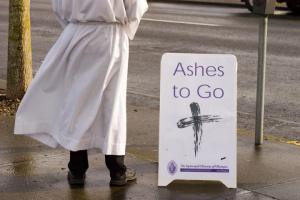
This Ash Wednesday, I can’t do ‘Ashes to Go’ or ‘#Ashtag’


Processed with VSCOcam with hb2 preset

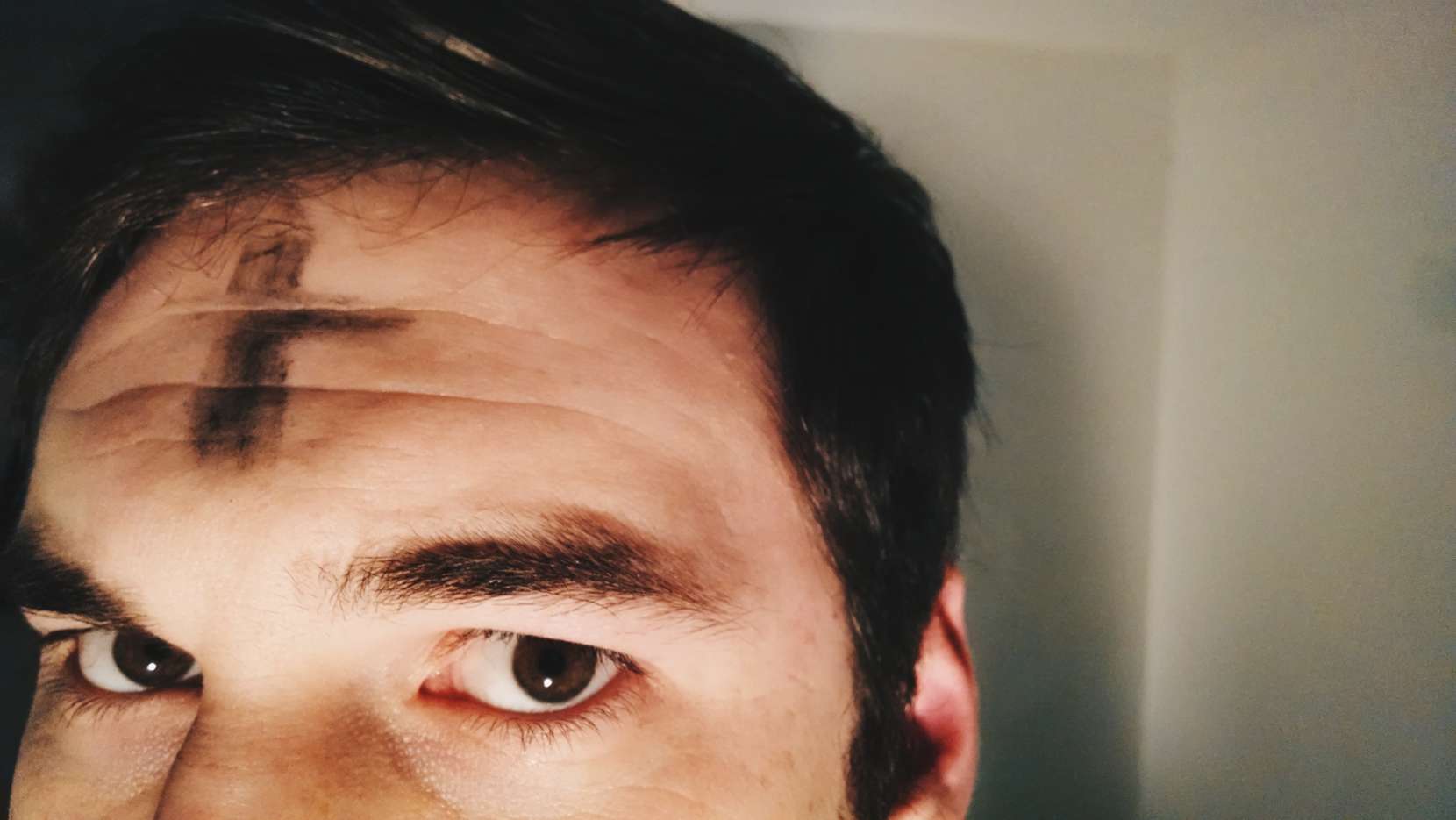
Hmm… I definitely took an Ash Wednesday selfie (see above). After this, though, I don’t know that I will in the future. As for Ashes To Go, I couldn’t agree with this piece more.

The Rev. Erik Parker's avatarThe Millennial Pastor

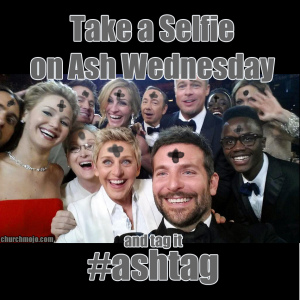
ashtag-selfie-ashwed-churchmojo-squareThis morning a blogger and writer that I like to read and whom I respect, David R Henson, posted an insightful blog post about the problems with #AshTag.

As I prepare for Ash Wednesday, my own thoughts have been swirling around how to approach and understand this first day of Lent. As David considered the problem of Ash Wednesday selfies posted to social media using the hashtag #AshTag, one line in particular caught my attention.

The systemic push within the church for Ash Wednesday selfies is an exercise in whistling past graveyards.

Needless to say, I won’t be posting an Ash Wednesday selfie (one would think that Shrove Tuesday or Mardi Gras would be the big selfie night).

AshestoGo4But another Ash Wednesday innovation that I have surprised myself by not being terribly interested in is ‘Ashes to Go.’ Ashes to go is where clergy go out…

View original post 642 more words

No, ISIS has nothing to do with the end of the world. Please stop saying that.


isis-flag-iraq

It’s been a long time since I’ve been immersed in Southern Evangelicalism where a certain brand of interpreting world events looms large. I grew up in the Bible Belt, where Saddam Hussein, Desert Storm, the fall of the USSR, the growing rise of Israeli nationalism, and “slipping societal morals” were all “signs” of the “end times” or “the last days”. I sat through youth group meetings where our senior pastor would talk about how the book of Daniel had coded prophecies about nuclear weapons in space.

(Being in high school, I saw no problem with him making that argument by saying that the book’s “original language” uses the Greek word dynamos from which we get the word “dynamite”; it was only later that it clicked for me that Daniel is written in Hebrew and Aramaic, not Greek.)

Moving to the Northeast, the bastion of mainline Christianity; and attending two different seminaries from traditions very different from this prophecy-interpreting one, I was under the false impression that this whole game of interpreting current events in apocalyptic ways was rightly losing steam.

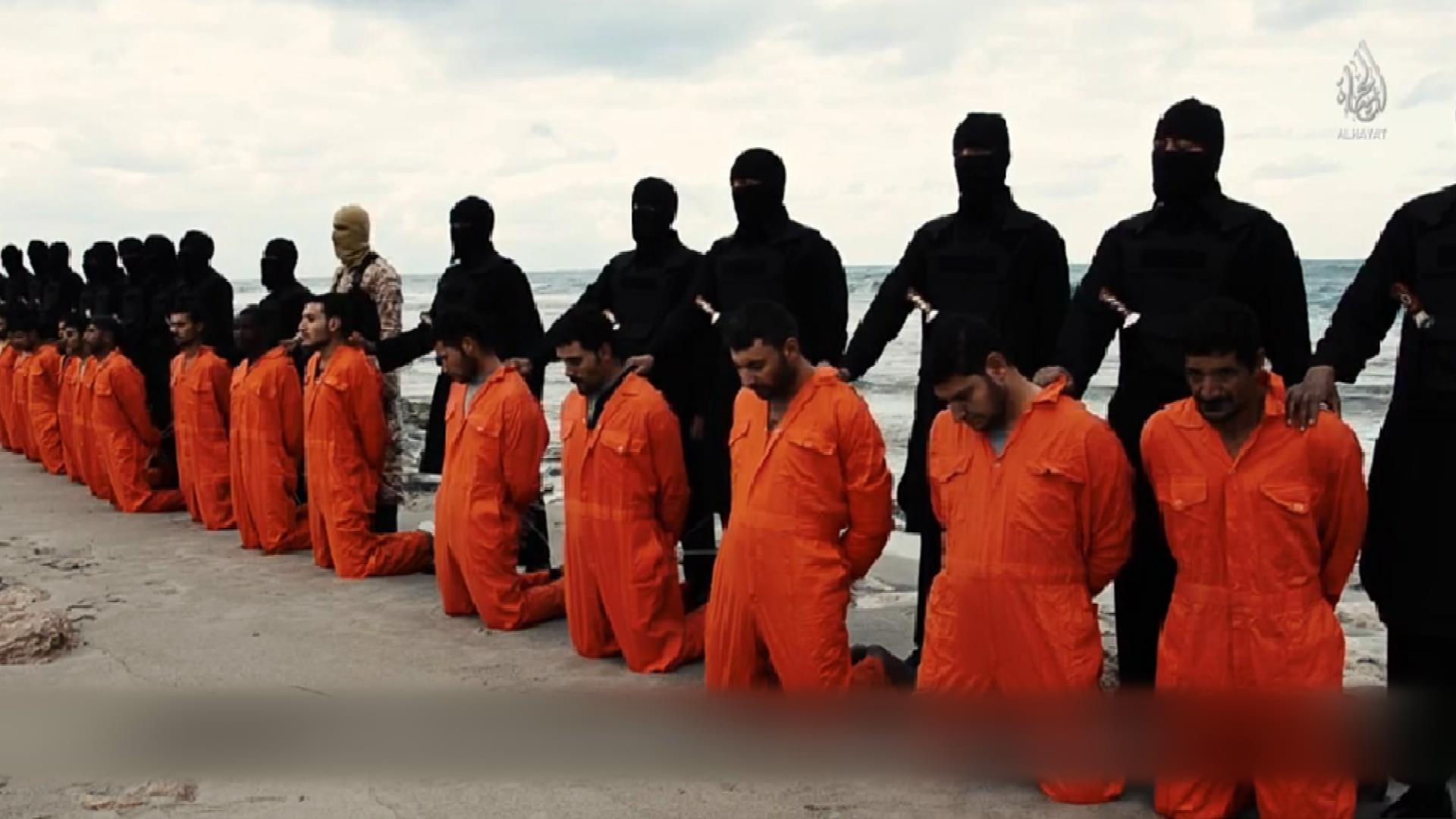
But then, this past week, the tragedy of ISIS (or the so-called “Islamic State”) beheading 21 Egyptian Coptic Christians happened. I first found out on Facebook, when I saw a procession of ancient Christian articulations of mourning filling my news feed. “Come, Lord, Jesus.” “Lord, have mercy.” “Kyrie Eleison.” I, myself speechless, decided also to lean heavily on old words from our Christian family to find comfort and express lament.

Not everyone went this way, though. After these initial responses, my Facebook and Twitter feeds began to fill with phrases and out-of-context Bible verses that I hadn’t seen in years. People were posting blog posts and verses all of which were trying to say that these deaths amounted to some unique act of “global Christian persecution” that was somehow emblematic of the world’s “last days” or “end times”.

Today I’d like to offer a seven reasons why this is wrong-headed and unhelpful:
Continue reading

Lent & Male Feminism: Reflections & Repentance


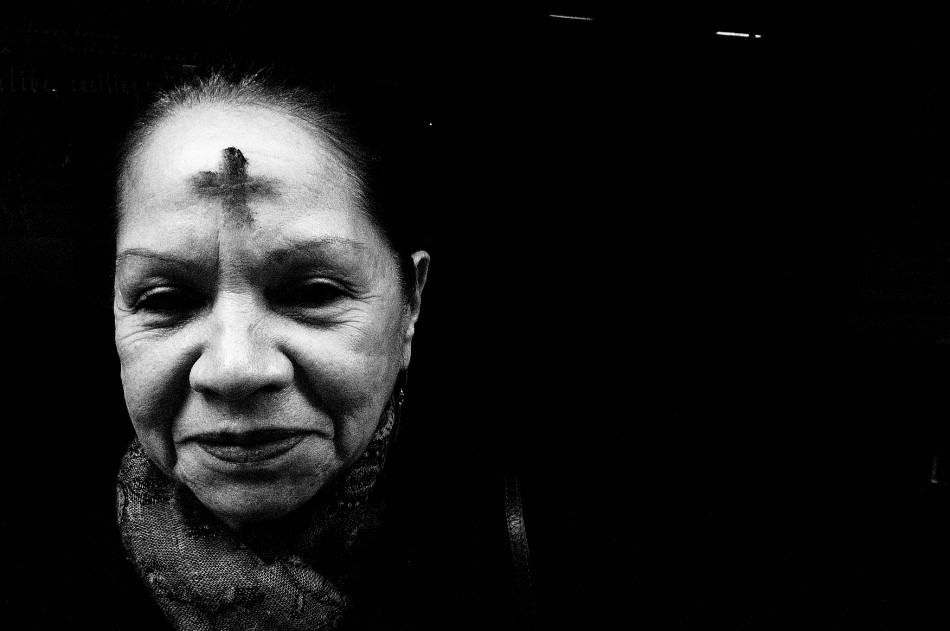
ash-wednesday-faces-of-the-faithful-photos

Today is Ash Wednesday. It is the beginning of the Lent season of the Christian Church Calendar. It is the time of year in which we turn up the volume on those darker whispers in our hearts to hear what they say. We turn our ears to the cries of the world bear the wounds of a weeping earth in our hearts and hands. And oh, the wounds are deep.

We come to this Lent with the weight of so much on our collective shoulders: so much brokenness, so much injustice, so much pain, heartache, death, and violence in the world. I honestly thought that 2015 would bring relief from 2014. So far, it has not.

But in the midst of the chaos that reigns both within and without, I am determined to turn my thoughts and this blog towards one area in which the Church as a whole needs to repent; an area in which I feel we can make some real progress in this day and age: Women in the Church.

I do have an on-going series on this topic that I’ve been adding to for the past couple of years, but I think it’s important and helpful to turn towards it particularly now. Lent has always had a deep connection to this topic for me.
Continue reading

ISIS, The 21, and Letting The Bible Speak For Itself


Featured Image -- 12968

Yes and amen.

josh's avatarJosh Howerton

Yesterday, shortly after WG’s ended at The Bridge, news broke of ISIS releasing a video in which 21 Egyptian Christians – scornfully called “the people of the Cross” by the terrorists  – were marched to a secluded beach and savagely beheaded by men in black masks. After huddling our little family around the computer to talk about it, I was going to write a post. But sometimes a horror is so deep it’s best to place your hand over your mouth, unchain the Bible, and let it speak for itself…

Indeed, the hour is coming when whoever kills you will think he is offering service to God.  – John 16:2

Also I saw the souls of those who had been beheaded for the testimony of Jesus and for the word of God… They came to life and reigned with Christ for a thousand years.  – Revelation 20:4

Indeed, all who desire to live a godly life…

View original post 196 more words

For the Dead & Living: Prayers for the Martyrs of ISIS


isis-libya-martyrs

For the Dead

Eternal Lord God, we remember before you today your faithful servants,
the 20 Libyan martyrs; we pray that, having opened to them the gates of larger life,
you will receive them more and more into your joyful service, that, with all
who have faithfully served you in the past, they may share in your eternal victory.

Almighty God, who, in joy and felicity, lives with the spirits who die in the Lord,
and with the souls of the faithful: We give you heartfelt thanks
for the good examples of your servants, who, even in the fear of their final moments
finished their course in faith, and now find rest and refreshment.

Father of all, we pray for those we love, but see no longer:
Grant them your peace; let perpetual light shine upon them;
in your loving wisdom and almighty power, work through their deaths
the good purpose of your perfect will.
Continue reading

Some Hopefully Not-Crazy Musings on Calvinism & Predestination


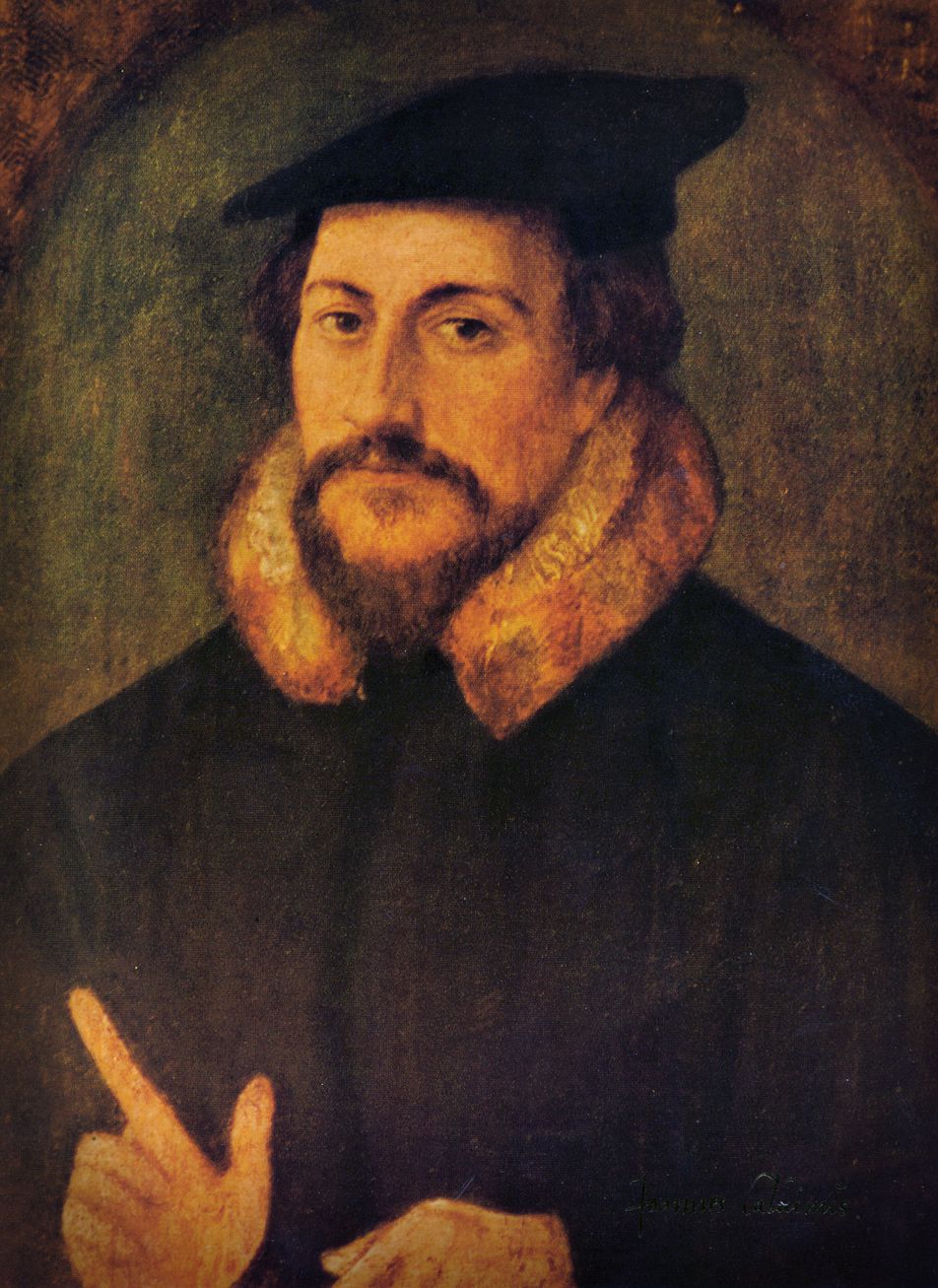
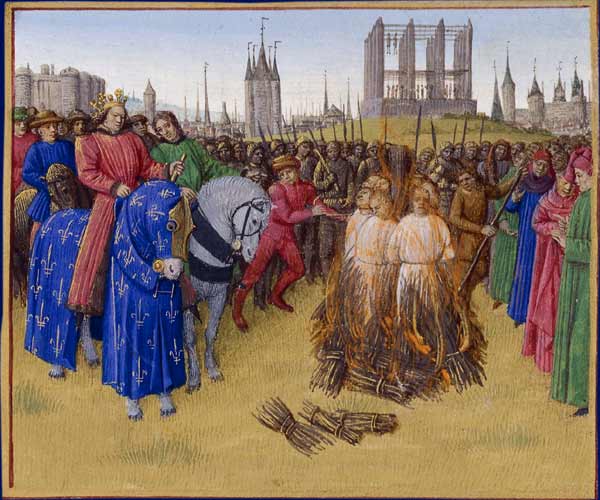
John_Calvin_by_HolbeinThe Christian family is large and diverse. The little corner of that family that I occupy is usually called “Reformed”, meaning they can trace a lot of their distinctive teachings back to John Calvin. Now, if theres one thing Calvin is known for (other than the burning a heretic thing) is a section of his teaching on Predestination–the idea that before everything, God “decreed” that only some people would be “saved”, and others would not be–they didn’t make the choice in that matter, He did.

Now, “Calvinism” wasn’t actually a thing until after Calvin had died, and he had a lot more to say about a lot of things other than Predestination. Nevertheless, having just recently re-read the portion of his magnum opus that deals with this issue, I can say that even the most caricatured, extreme articulations of Calvinism out there have a strong kernel of truth. Calvin was definitely a Calvinist, in all its untactful, harsh, unapologetic glory.

In college, I got super into Calvinism and took it way too far (Exhibit A; Exhibit B). I hurt a lot of people. Then I went to my first seminary and mellowed out on it. Since then, I’ve just been absorbing lots of different strands of thought around this issue, and haven’t really made a concerted effort to synthesize them. I’ve sort of been sitting in the Mystery of it all.

This seminary semester, though, I have to bring together all my thoughts on Predestination and its related doctrine of Election into some coherency. This means I’ve been thinking about this a lot. And today, I want to offer some of my random, contradictory, messy thoughts and get your responses and help. Imagine my brain on this topic as a big ball of yarn, with each strand of thought existing together all at once, not being able to distinguish where one thought ends, where the other begins, and how they can all fit together.

Strand 1

First, there really isn’t any such thing as “Free Will”. I can’t “choose” to have different parents, to fly, to shoot lasers out of my eyes, to breathe underwater, what color hair I naturally have, where I was born, etc. Arguably, the most formative, important, foundational things to who we are as people are unchosen. The point in saying this is to point out that our wills are not “free”, but are bounded by nature. All our choices are limited by our nature.
Continue reading