
Arts
Sins of Our (White) Fathers: We Still Don’t Get It
 This weekend, I finally watched Steve McQueen’s Twelve Years a Slave. Yes, I’m over-dramatic as a general rule, but I can’t remember the last time I cried like that (actually, it was probably after I saw McQueen’s last movie, Shame).
The brutal reality of the film combined with the knowledge that this wasn’t hypothetical–this was real–broke me. Further, it wasn’t just real for this one man, but for our entire nation. The brokenness, evil, and callousness of it all was staggering.
And we’re still doing it today.
No, I’m not exaggerating. The effects of slavery in this country are still absolutely tangible, apparent, and real. And frankly, too many of us don’t give a damn.
There are still people alive today that knew slaves when they were younger. That’s how recent this whole thing was. And yet, we’ve done to racism what we’ve done to every other thing we should engage with meaningfully but don’t–we’ve privatized and individualized it. We’ve redefined “racism” to mean harboring active, conscious, discriminatory thoughts and feelings towards someone of another race.
My Day with Cornel West (or rather, his autobiography)
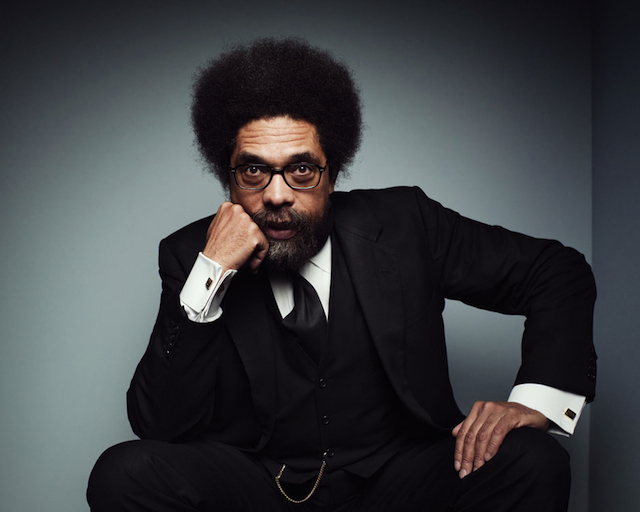 If you know who Cornel West is, I’m pretty confident in saying that what you think you know about him is probably wrong, or at best, dramatically incomplete. If you don’t know who he is, then you should.
For my current class on Leadership, I had to pick an autobiography of a leader whose perspective on faith and life is probably dramatically different than my own. The book I chose was Brother West: Living and Loving Out Loud.
My own anxiety and compulsivity make it difficult for me to read for long stretches of time. I can usually only read one thing for ten or fifteen minutes before having to bounce my mind to something else or change up what I’m reading. But, due to my own procrastination and inefficiency with time, I came to the day before my paper was due not having opened up the nearly-300-page tome.
And so I did what needed to be done. I left my electronics at home and brought nothing but the book to a nearby Starbucks. I got a cup of coffee, turned on a Jazz radio station on my phone, settled into a couch, and read the entire thing.
My Gospel Terror, Acts, & Letters [photo sermon]
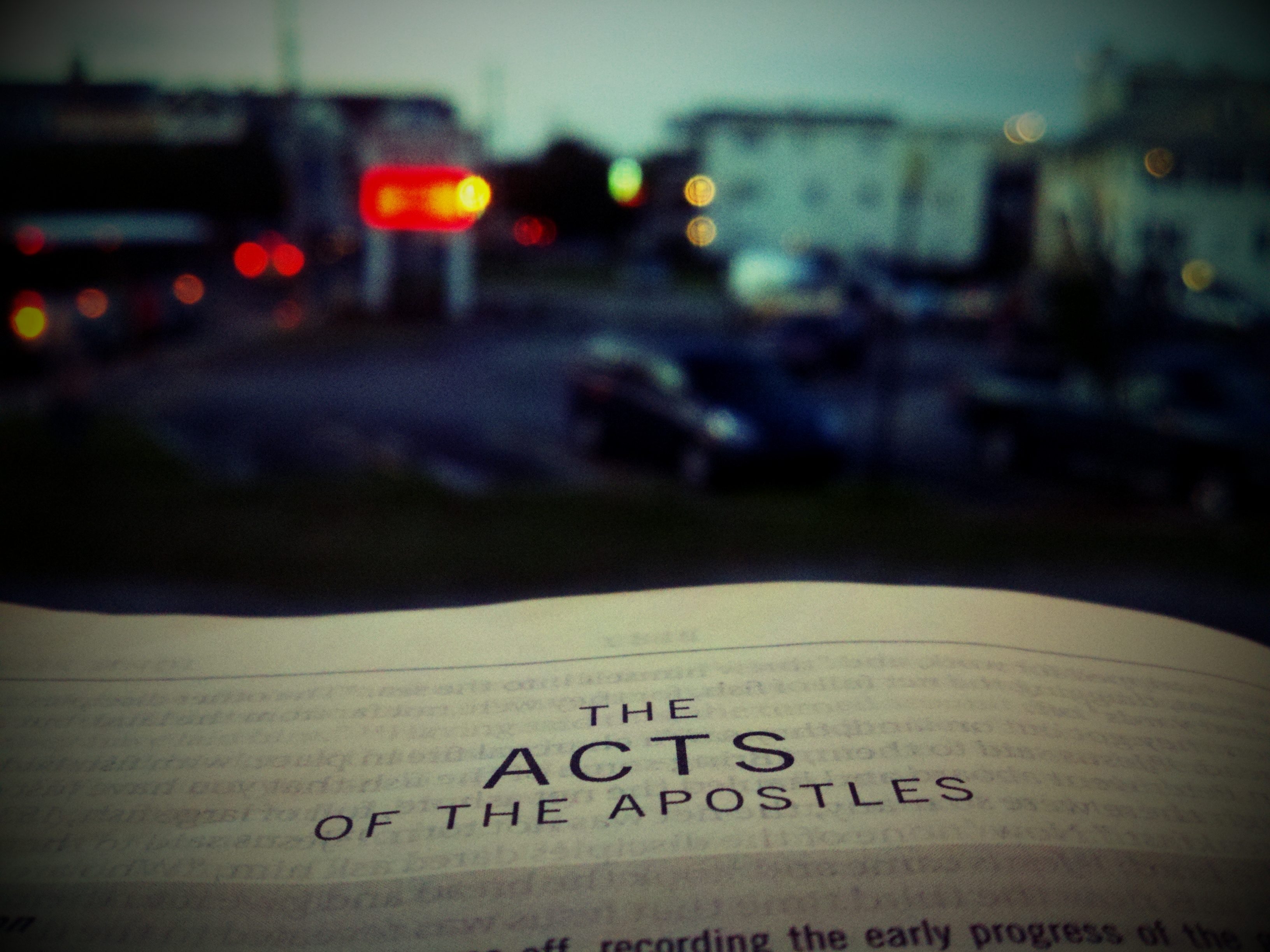
Each week, WordPress has a Weekly Photo Challenge, where they give a theme and invite people to highlight photography representing that theme, accompanied by a few meditations on it. Occasionally, I try and write a “photo sermon” or meditation based on those themes, accompanied by a photo of mine . This week’s theme is “Letters“.
* * * * *
I grew up in church and grew up loving the Bible. I did devotionals and sat in Sunday School classes for the vast majority of my life. And yet, it wasn’t until I got to my junior year of college and took a class on the Gospels that I read any of the Gospels all the way through. Sure, I had probably heard most of the Gospels preached on or excerpted in devotionals and books, but I had never read a Gospel from beginning to end.
At the time, I thought it was because they seemed too holy. It felt like too much for my young soul to handle to read the very words of Jesus on my own. It was too weighty for me and scared me. Maybe I just wanted to wait until I could drink whiskey or wine while reading them.
Continue reading
Free Easter Mixtapes for your reflection & celebration!
It’s Easter season. As is my practice, I’ve posted the Year A and Year B Easter Mixtapes to aid in your personal reflection and celebration in this season. You can find them at the link above or just click here:
Sabbath [a Holy Saturday poem]
 On the 1st Day: God created Palm Trees and Donkeys
On the 2nd Day: He created Fig Trees and Temples
On the 3rd Day: He created Scribes and Pharisees
On the 4th Day: He created Silver and Kisses
On the 5th Day: He created Bread, Wine, and Gardens
On the 6th Day: He created a Tree, Nails, and Thorns
And on the 7th Day: God rested from His labor.
And there was evening
And there was mourning…
___________________________
[read my other Holy Day poetry here]
all writings licensed: 
Remember [a Maundy Thursday poem]

Body.
Soul.
Mind.
Flesh.
Meditations
In the watches of the night
From embattled city walls
Around embattled towns
You will be known like no one’s been known before
___________________________
[read my other Holy Day poetry here]
all writings licensed:
Holy Week Music: Mozart’s “Requiem”
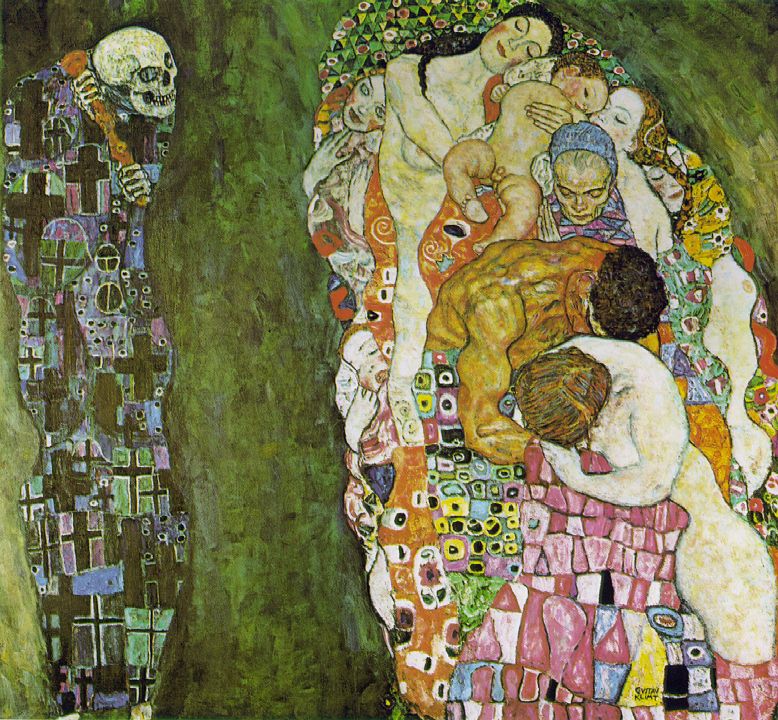 One of the primary ways I relate to the Church Calendar is through music (hence the free Mixtapes I put out each season). Even when I am terrible at engaging at an intellectual or even a practical devotional way, I am really intentional about filling my life with music that will still put my soul in the proper posture for the particular season.
For this Lent, I found myself spending significant time with Mozart’s Requiem, a “Mass for the Dead”. This was his last (and still mysterious) piece–unfinished before he died. Before Holy Week was over, and as we enter into the Holy Weekend, I wanted to offer this to as a way you might be able to engage in these last few days of Lent. Here is the audio, and below that you will find an English translation of the entire Mass. The words are achingly haunting and beautiful and deserve your perusal whether you have time for the music or not. Have a blessed Lent.
W. A. MOZART, REQUIEM
English Translation, from St. Matthew’s choir
Continue reading
Palm Sunday: “The Emperor Has No Clothes” [POEM]
I feel far, Lord.
But I know you’re here. I know it.
(Do I?)
(Can I?)
It’s the nature of the matter; a matter of nature, I suppose.
Perhaps only now I feel at the deepest existential depths:
“I believe! Help my unbelief!”
Or in a word: Hosanna
That cry. That plea.
The certainty of uncertainty.
The pregnancy of a pause.
The pondering of a moment.
That moment. The moment.
The moment that dressed my doubt in assurance.
But that emperor has no clothes
(or so everything says).
So where does my assurance lie?
Where do my feet stand?
My body pelted with rain, snow, and hail;
I pray my heart rests beside a fire,
drinking tea,
rocking in a chair,
my shoulders draped in that most costly of quilts –
my Rest.
Clothe me–
with the coat I lay on your path–
for this emperor is naked
and needs his King.
[read my other Holy Day poetry here]
all writings licensed:
Buechner: Fiction as Self-Revelation [QUOTE]
If writers write not just with paper and ink or a word processor but with their own life’s blood, then I think something like [our own words being just as much to us as from us] is perhaps always the case. A book you write out of the depths of who you are, like a dream you dream out of those same depths, is entirely your own creation. All the words your characters speak are words that you alone have put into their mouths, just as every situation they become involved in is one that you alone have concocted for them. But it seems to me nonetheless that a book you write, like a dream you dream, can have more healing and truth and wisdom in it at least for yourself than you feel in any way responsible for.
–Frederick Buechner,Telling Secrets
Useful Aesthetics: “We Work in Beauty” [LINK]
Wow. Powerful piece on art and utility, with a Wendell Berry cameo.
This is my 1,000th Post. WARNING: You cannot un-watch this.
This is my 1,000th post. Thank you all for the chance to write this blog these past (almost) 10 years. It has grown me in countless ways. It took seven and half years to get to 500 posts, and less than two more to double that. Here’s to 2,000. Thanks for the encouragement, commenting, and criticism. It means a lot. Really.
As is my custom, here is your blog milestone dancing video:
Continue reading
Cool Hand Luke’s “Of Man”: a favorite album is now free (and perfect for Lent)
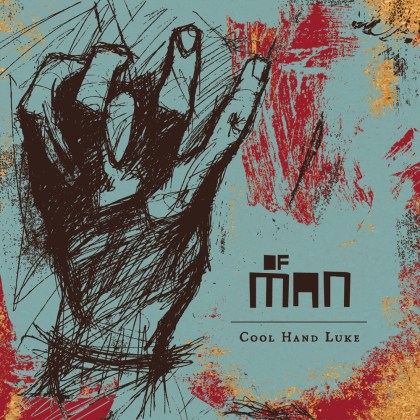 If you don’t care about the commentary, and just want the amazing music, you can get it at Noisetrade. If you’d like to listen to the album first, just press play:
Someone’s “favorites” are a weird thing to define. They are prone to fickleness, are tied so closely with whatever else is subjectively happening in one’s life, and usually bear little resemblance to what that person would consider as the technically “best” of any particular thing. So when you have a “favorite” that sustains that title for years–decades, even–it’s a big deal.
Since high school my favorite band has been Cool Hand Luke. Back then they were a little hardcore screamo band. At that time, to get their CD, you had to mail a check to the lead singer’s house. As time when on, their style changed at the very same time and in the very same way as my own. It felt like we were growing together.
Around my senior year of high school, they came out with an album called Wake Up, O Sleeper. Anyone who’s heard of CHL probably knows them from this stunningly powerful work of art. It quickly became the most influential and “favorite” album of mine. And it has been ever since.
Towards the end of college, I became pretty good friends with the lead singer. For a while, every few months, we’d talk for a couple of hours on the phone. He was discerning whether to go to seminary and what to do about the financial mess their shady manager had left the band in. I got to see his heart and the heart behind the beautiful music they made.
Eventually, he got married, I started seminary, and he decided it was time to end the band and begin seminary himself. But there was one last project he felt he had to do.
Of Man.
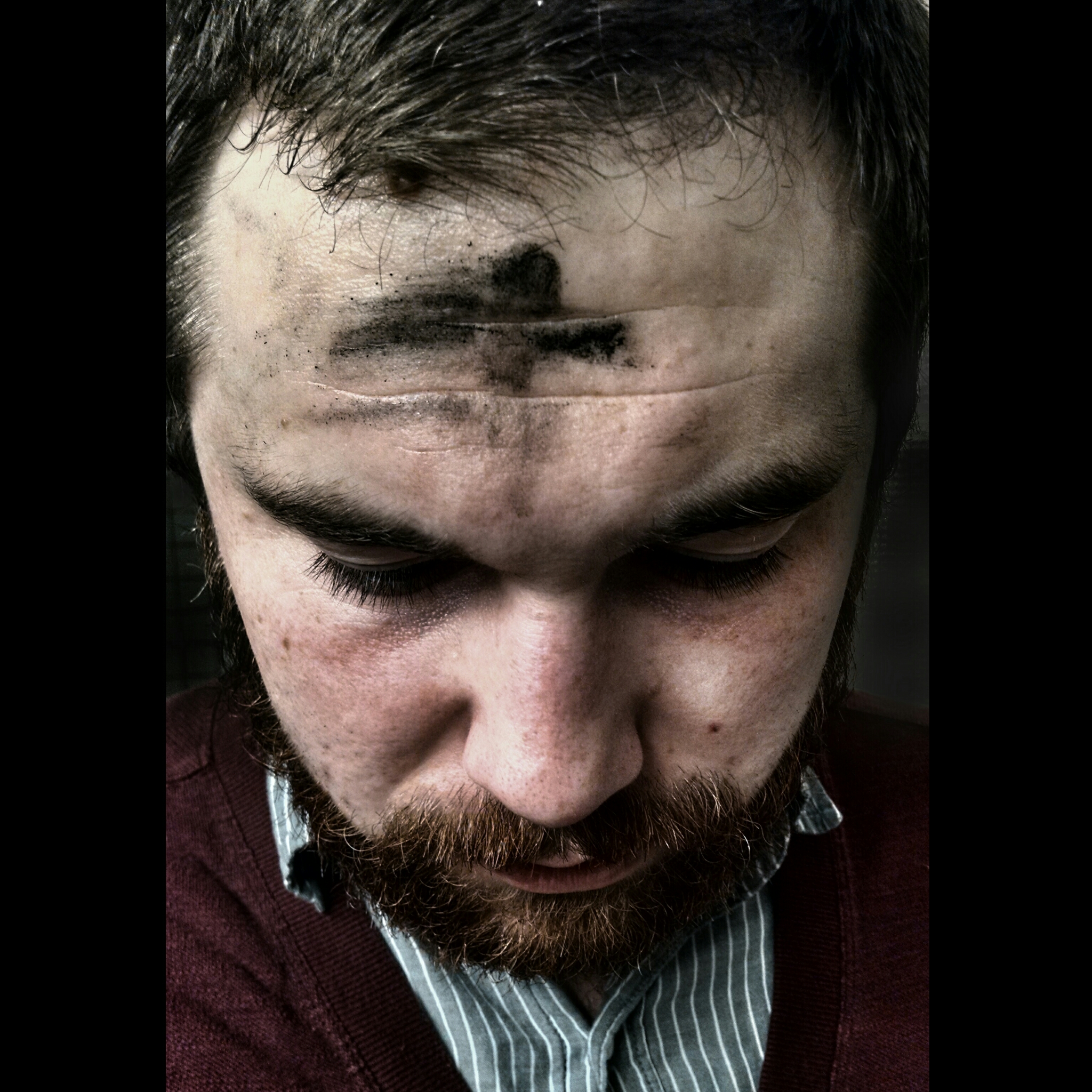
My Annual Selfie: Ash Wednesday
Ash Wednesday Benediction [POEM]

The shape of the promise is death
Say the word, feel the space, build the coffin in your mouth
Climb inside and make it yours
For it is
That tomb washed white, emerges in life,
enslaves in death, watches the end
agape
Expiration exorcism, cast the spirit, cast it low;
Cast your eyes and feel the blow
Cast the lots
Carve the promise into your bones, your forehead
Let your face shine with Moses glory: that of the immortal God
–that suffering, dying, ashen glory-story
May your face shine with Ash
As you wear the world’s judgment embedded in your skin, in your body,
May you feel the world’s death in your face, may you hold it before your eyes
May the flame that licked the palm find its end in you.
Bear the flame the world shall never know, precisely so it never will
Take their judgment and rub it on our faces and cast it to proclaim
Lift up your eyes
Wear it loud
The shape of the promise is death
[read my other Holy Day poetry here]
all writings licensed:
 the long way home