Psalm 23: My Translation


Scotland-Arbrouth-grass-header

For my Hebrew class last year, I was asked to write up a super literal translation of Psalm 23 (below), and then build off of that to create a much more dynamic, creative, contemporary translation. This was the result.

psalm23

A Psalm in the spirit of David.

The LORD is tending to me
I want for nothing
He has me lie down in pastures of fresh, new grass
Beside the waters of rest
He gently guides me
He brings the life back to my soul
He leads me into the grooves of life well-lived because of who he is.

And yet—
Though I truly die in the depth of darkness,
there is no evil that I fear,

You are truly there with me
Your staff and your support: they comfort me
You host before my face a table opposite all that stands against me.
You clean me with oil over top of my head.

Overflowing abundance is my cup.

Surely, goodness and steadfast faithfulness will chase me down
for the whole of my life’s days

This will be my story:
I will return into the dwelling place of the Lord and stay—
for lifetimes upon lifetimes.

______________________________________

Continue reading

A Systematic Male Feminist Theology: Table of Contents


IcyAndSot-Freedom

This is the dedicated post page for the Male Feminist Theology Series on this blog.

Male Feminist Theology: a Vision; a Proposal

This series is based on a white paper I wrote. It is more technical than these blog posts are and cites sources without giving introduction or explanation. The blog posts break it up into bite-sized chunks, and are heavily edited to (hopefully) make them more accessible to the casual reader. The full paper is posted below.

Background: Fear & Loathing
The How (and Why) of Christian Male Feminism

This series has been a long time in development and preparation. This was a post that summarizes the whole path leading to thought and process behind it.

God & Her Glory: A Table of Contents

Before we began, I felt I needed to explain why I, at times, would choose to use feminine pronouns for God. This caused such an uproar in my social media sites, it led to several posts in which I went more in-depth about this.

On Theology: Choose Your Own (Feminist) Adventure

This whole series employed a very particular perspective on theology, in which we can freely choose what true things about God to emphasize depending on our context and concern in the moment.

Male Feminist Theology & Sinning Against Women

A reflection on the deep sinfulness towards women I’ve experienced in my own heart, and how the Feminine aspect of the Divine has led to greater life and healing in this.


I. Passion: A Theology of God, Creation, & Humanity
The Suffering & Reconciling Feminist God

This whole Male Feminist Theology begins with laying out a doctrine of God that would motivate us to solidarity and action with women. This opening post lays out a vision in which God’s own nature is Suffering-Unto-Shalom/Goodness/Life

The Dying & Rising Christ

This Suffering-Unto-Life Nature of God extends from the Godhead and is exhibited in each of its Persons. In this piece, we talk about the centrality of Jesus, the Incarnate God, as the center of our theology, and what he can teach us about God.

The Grieving & Comforting Holy Spirit

In this post, we talk about how the Holy Spirit–within Herself–also suffers-unto-life, moving into the brokenness and injustice of the nitty-gritty of the world, to bring healing, life, and wholeness.

THESE BROKEN & GOD-BREATHED SCRIPTURES

Here we articulate a theology of Scripture, and how revelation flows from God the Spirit and not God the Father. We also deconstruct how this acts to liberate women in Christian community.

A Male Feminist Wrestles with the Bible [PART 1] [PART 2]

In these posts, I ask hard questions about how we deal with the patriarchal texts of Scripture. Do we just say the authors were “wrong”, or are we wrong in how we’re reading these texts?

A Groaning & New creation

Coming up next!
Continue reading

The Grieving & Comforting Holy Spirit // #MaleFeminism


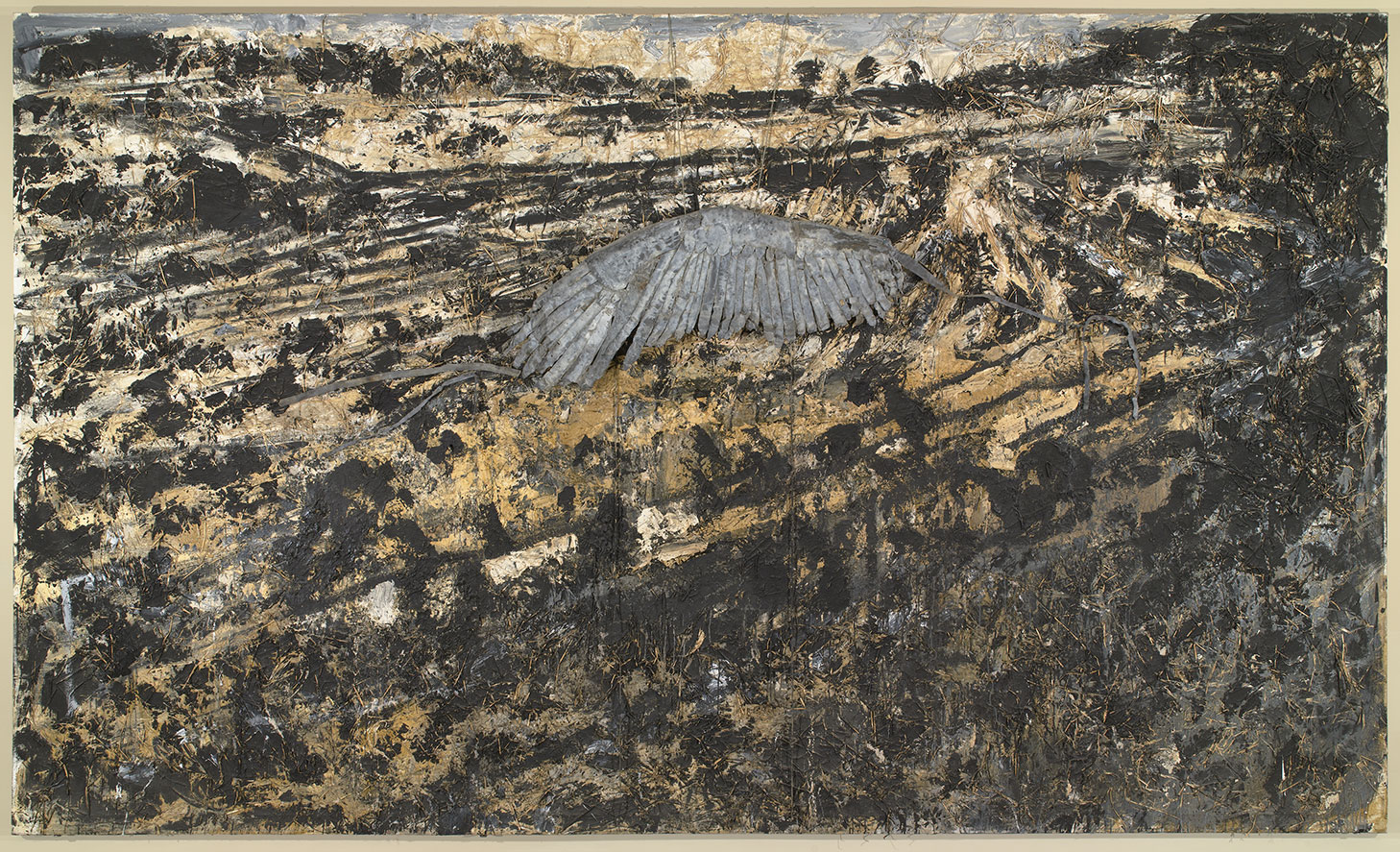
Anselm Kiefer-Landscape with a Wing

This is part of our series on Male Feminist Theology.

I’ve been arguing, at the outset of this journey into forming a Male Feminist Theology, that the way we think about God shapes and forms how we then live our lives. Further, God’s nature and character is so multifaceted that as theological musings enter new cultures, times, and situations, we must use particular language for where we are today. Just this weekend, I was reading Andrew Walls’ remarkable essay, “The Ephesian Moment”, where he talks about how this worked in the early church.

The transposition of a message about the Messiah to a message about the “Lord Jesus” must have seemed an impoverishment, perhaps a downright distortion. [But] Christian theology moved on to a new plane when Greek questions were asked about Christ and received Greek answers, using the Greek scriptures. It was a risky, often agonizing business, but it led the church to rich discoveries about Christ that could never have been made using only Jewish categories such as Messiah…. Crossing a cultural frontier led to a creative movement in theology by which we discovered Christ was the eternally begotten Son; but it did not require the old theology to be thrown away, for the eternally begotten Son was also the Messiah of Israel.

I see a similar thing today. Many issues of global injustice, the failure of 20th-century Enlightenment idealism, and (for our purposes) the abuse and marginalization of women gives a new prism through which to ask questions about God. We are not leaving old creeds and confessions behind; we are turning the Divine diamond of God’s nature and character to see through additional facets.

To this end, I have found it greatly helpful to focus on this idea that God’s very nature is one of Suffering-Unto-Life, or Suffering-Unto-Shalom. We’ve used these past few posts to talk about how we see this in each member of the Trinity, and today we turn our attention to the Holy Spirit. I’ve written about this before in general, but today we try to think of this in light of our sisters and their experience.
Continue reading

Jung, Whitman, & Aquinas Walk into a Bar – Thoughts on Divine Suffering [GUEST POST]


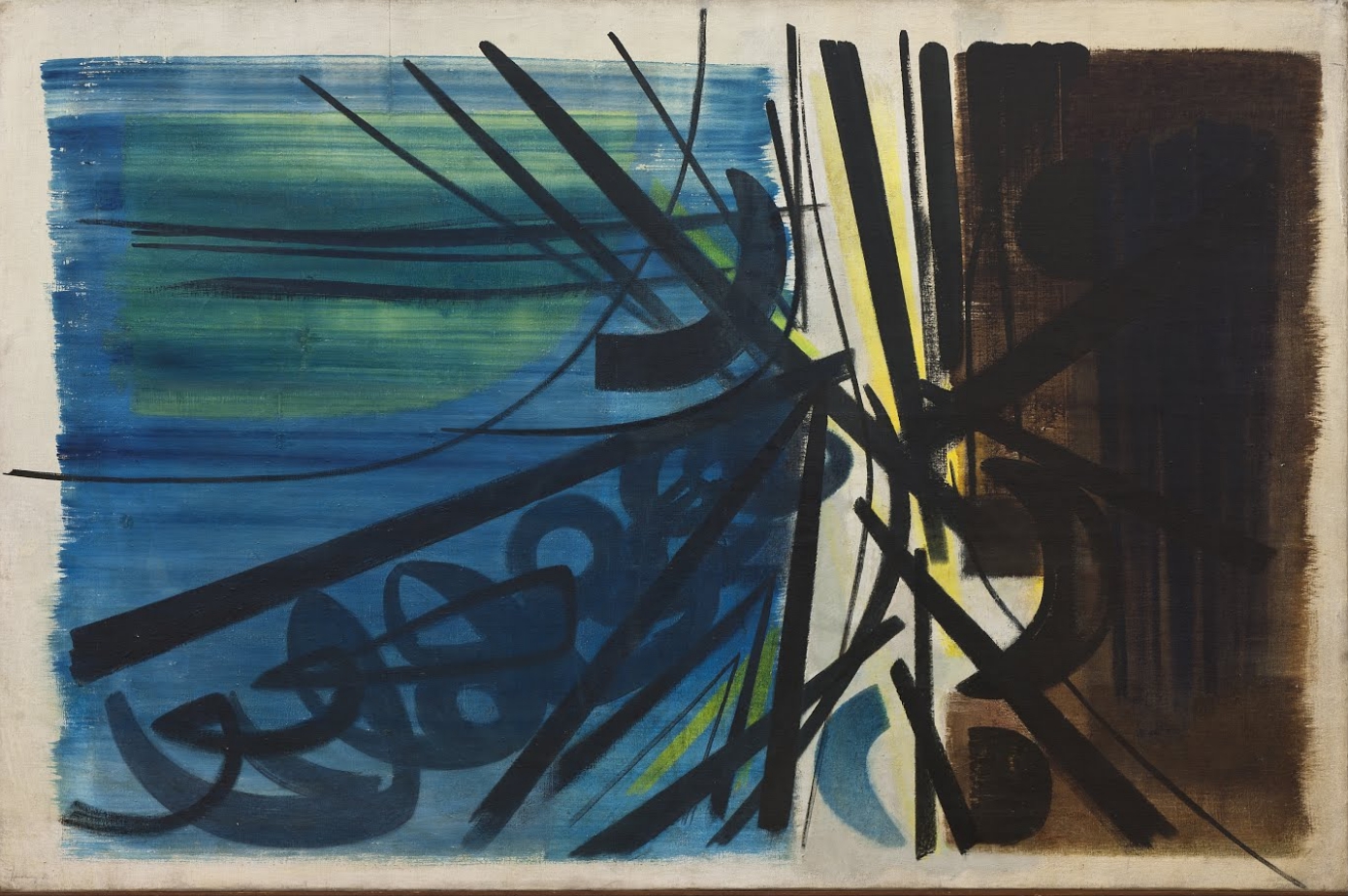
Hans-Hartung-CompositionT-50-5

As I’ve been outlining a Male Feminist Theology, I have said there is an aspect of Suffering-Unto Life in the very nature of God. This started some conversation on Facebook. Today, along this vein, we have a guest post by one of my dearest friends (and blog contributor), Austin Ricketts.  Years ago, he wrote in favor of God’s Suffering. Years later, he took it back in a little debate we had. Today, he offers a sophisticated sort of “middle way”. It’s more dense than most things I post here, so I’ve linked to relevant articles elsewhere to help you follow along.

_________________________________

If I were to set my doctrine of God down as a scene from a play, you would see the Cappadocian fathers meeting Thomas Aquinas at table, somewhere in Tuscany, while Charles Hartshorne comes in out of the Spring air from some bird watching. Thomas eats a large chicken, all by himself, while the fathers drink wine; their arms around him. Hartshorne is taken aback by the size and quiddity of the meal—how could he eat a bird, after all—so he orders a salad and sparkling water. Soon after, the fair Charles is assaulted by a paper airplane from the end of the table, and he looks up to see Augustine, who had up to that point been cloaked and hooded. After all this, the set goes dim, stage props move to reveal a completely different mise-en-scene.

The lights brighten to reveal one, Carl Jung, waking from a dream, saying “Hmm. How bout that?”

The curtains quickly close, all goes quiet, and a voice—preferably that of James Earl Jones—says, “All shall be well, and all manner of things shall be well.”

Then, this Quaker Poet with a long gray beard and large hat comes streaking—that is to say naked, except for the hat—across the stage shouting, “I sing the Body electric. Eidolons! Eidolons everywhere!”

_________________________________

Continue reading

Male Feminist Theology: The Dying & Rising Christ


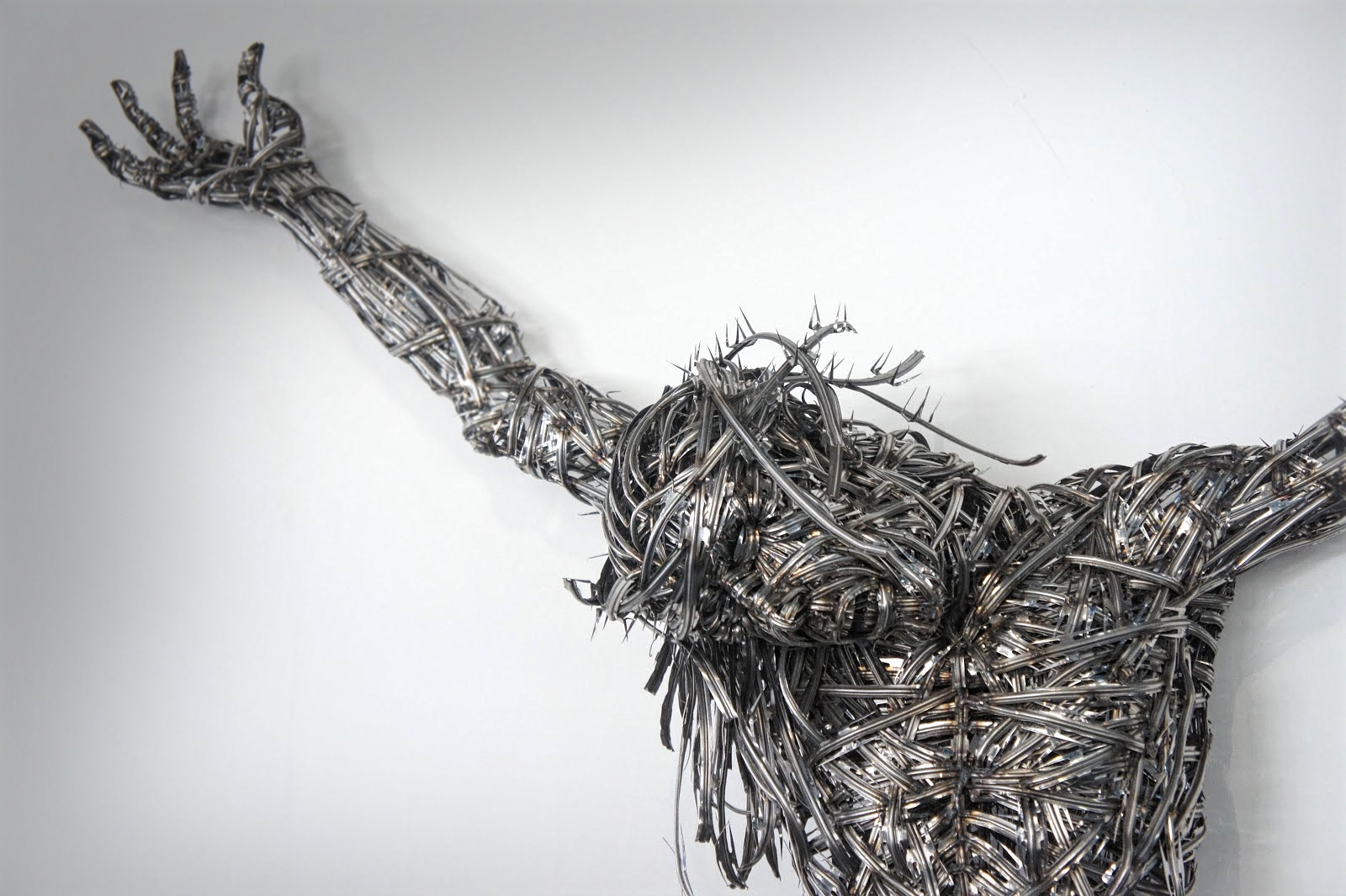
Adel-Abdesemmed-razor-blade-crucifix-jesus-2
This post is part of a series on Male Feminist Theology.

Just as the Godhead itself is Suffering-Unto-Life, so are each of its members. Today we look at the second person of the Trinity: Jesus, the Begotten of God.

It’s my contention that we need a concept of a God who both knows suffering within his essence as well as fights against it. This is the only conception of God that can actually move us forward in fighting against the marginalization and abuse of women.

More traditional views of God (often having their historical source in Greek thought rather than Hebrew) make God into a Transcendent Male, Kingly, Lording figure whose primary relation to us is as one to whom we are meant to submit. This is so common, many (most?) people that just read that sentence may have not disagreed with any of it.
Continue reading

The Suffering & Reconciling Feminist God


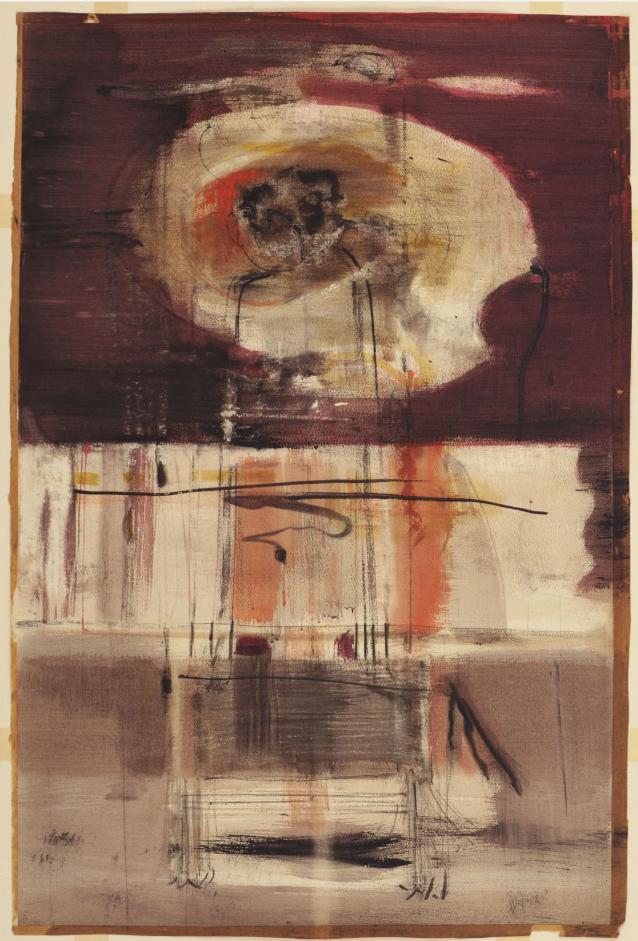
Rothko-untitled-2We are now, finally, after a long time, starting our series on Male Feminist Theology. This is the first of many posts to come.

God is infinitely complex and beyond our articulations. It’s impossible to hold in our minds at any one time all the different paradoxical truths about who God is. (As I’ve described before) depending on the particular context, concerns, or questions at hand, there are different truths about God we should dwell on and emphasize a little more for that moment.

In our day and place, I think one of the biggest issues facing the church is our treatment of women, so this post will focus on what truths about God that we (especially men) should emphasize and hold in our minds when moving forward on this issue.
Continue reading

Does God Really Love Cities More?


philly-coffee-reflection-buildingThe seminary program I’m in is one focused on urban centers, and to that end we end up reading writings by a crew of pastors and theologians and who want to give a theological emphasis to cities. I’m currently in a course in which we’re reading people like Tim Keller and Harvie Conn.

I bought in to all of this for a long time, but now I’m having some reservations (some of which I’ve mentioned before), which I want to offer up to you all and get your thoughts.

Urban “versus” Rural?

Ever since moving into cities, I’ve fallen in love with them. After hearing Tim Keller talk about them for the first time while in college, I totally bought into the centrality of cities into God’s ongoing mission.

And then….I met my girlfriend who grew up Mennonite on a 300-acre dairy farm in Western Pennsylvania. And it threw all my thoughts on this issue upside down.
Continue reading

The Weight of Gratitude: A Sermon of Mine


job-silohetteI’m going on three decades of attending church services. I’ve heard a lot of sermons on gratitude and almost all of them are the same.

They spend much of their time trying to convince us Americans that we actually are far more wealthy than we ever thought. We have more stuff than most any other people in human history, and so we need to stop being so consumeristic and unsatisfied and just learn to be grateful and give thanks for what we have—because we have a lot. And us Christians have even more reason to be thankful, as we have the greatest gift of all: Jesus!

But all this does is lead us towards some brief, unsustainable, inch-deep emotion of happiness which we then call “gratefulness” and then walk out the door thinking we’ve gotten our annual “gratitude shot”—all while being able to ignore the violence raging in the world and in our souls.

So where is gratitude when we face violence and doubt, or when we hit the muck and mire of life, the pits and poverties of existence, the pain and injustice? Does gratitude have nothing to say?

Well that’s what my most recent sermon discusses (I’ve also written about this before). The sermon text is Psalm 40,  Let me know what you think. Here’s the audio:

You can also download it here, or subscribe to our podcast. If reading is more your style, here is my manuscript for your perusal. Continue reading

The Word of God is not written in ink [QUOTE]


“We receive God’s promises only when they are confirmed by the blood of Christ … we hear God speaking to us only when we see Christ offering himself as a pledge in what is said to us. If we could only get it into our heads that the Word of God we read is written not so much with ink as with the blood of the Son of God.”

–John Calvin, Commentary on Hebrews

(from Martha L. Moore-Keish’s excellent book, Do This in Remembrance of Me)

Male Feminist Theology: a Vision; a Proposal


Adolph Gottlieb-rolling

Starting next week, I will be doing a blog series that walks through a framework for what I’m calling “Male Feminist Theology”. This series is based on a paper I wrote a few months ago. The paper itself is more technical than these blog posts will be and cites sources without giving any introduction or explanation. The blog posts will break it up into bite-sized chunks, and I will heavily edit them to (hopefully) make them more accessible to the casual reader.

But, if you don’t care about all the context and fuller explanation, and just want to jump to the end, I wanted to give you all a chance to read it in full if you wish. I’ve embedded it below, but you can also find it on Scribd and Academia.edu. Let me know what you think! Continue reading

Back on Track: The How (and Why) of Christian Male Feminism


maleFeminism110314

Remember the beginning of Lent, when I said I wanted to lay out a vision for how Christian men can think about God, the Church, and Theology in a way that takes into account the concerns of feminists? I said that these thinkers had been exposing the very real damage that has been wrought by us treating “White Male Theology” as default, neutral, objective “Theology”.

Well, believe it or not, we never actually got to what I wanted to write about. Full disclosure: that whole series was conceived because I had written a paper on this topic that I was proud of–a paper I wanted to edit down and make into a series of blog posts. And yet, before we could get to what amounted to a term paper, I had to take the reader through a lot of the other ideas that were in the rest of the class.
Continue reading

God & Her Glory: A Table of Contents


meinradcraighead-vessel

As part of Lent in 2015, I built on my on-going series on Women and the Church, and did a little mini-series on using feminine language and images when speaking to and about God. This caused lots of discussion and disagreement, especially on Facebook. To help organize things, I wanted to put up this post to guide anyone who just now might be taking a look into this. I hope you find it helpful, and don’t forget to add your thoughts below.

{1}: “Our Mother, Who Art in Heaven”

In this opening post, I give some background to my experience with this topic, as well as talk briefly about theological language itself and how it poses problems for us as we move forward in exploring this issue. I also introduce the main sources I used for this series and try to mark a path forward.

{1b}: A Good Facebook Debate (for a change)

After that first post, I started seeing the passion many people had about this topic. The Facebook discussion especially had me thinking about angles and dynamics I hadn’t thought of before. So, because it was helpful to me, I thought it might be helpful to the blog readership.

{2}: How our Words & History Affect Women

Here, I showed the connection between gender and language, trying to bring out how the way we talk about God can subtly, unconsciously even, affect not only women, but how we all think about God. I then tried to go through some history of how this has played out in the Church and the world.

{3}: The Biblical & Historical Evidence

In this post, I simply lay out the best possible comprehensive case I can for the Scriptural and historical references to God in feminine imagery and terms. After going through Scripture and some historical context, we then look at important figures and references throughout the early church through the Middle Ages.

{epilogue}: MORE Faithful, Not Less

In this conclusion to the series, I acknowledge some of the prevailing critiques, and try and cast a vision for how brothers and sisters in the Church can move forward on this, both practically and in disagreement. I make the case that fighting for broader language when talking about the Divine is an attempt to be all the more faithful to Scripture and the Church, not to change things because of the wider cultural discussion.

BONUS: Does it Matter that Jesus was a Male?

This is a relevant post I had done another time. In it, we look at some art that depicts Jesus as a female and explore what theological significance (if any) there is that our Savior was a male. Again, the debate was feisty.

[image credit: “Vessel”, by Meinrad Graighead]

God & Her Glory {epilogue}: MORE Faithful, Not Less


ArtLinguistic Passion

Throughout this series on feminine language for God, I’ve been shocked at how incredibly passionate people have been about all of this. I promise I don’t try to write for controversy’s sake; I genuinely want to serve and help the people of God, not divide them.

But perhaps I was naive not to anticipate it. A friend of mine put it well on Facebook (edited for clarity):

In Postmodern thought, language always encodes how we see reality. One can only perceive reality with words because people always think in words. This…is probably a big reason why the fight over gendered pronouns is so fierce. Mess with the language and you mess with people’s narrative-making apparatus.

It’s true: language is reality. I don’t want to imply that language doesn’t matter, that people are making too big of a deal about it and should just lighten up, or that there should be a free-for-all in our language about God. Rather, my desire to broaden our words for God is precisely because I see the power of our language to shape how we see reality.
Continue reading

God & Her Glory {3}: The Biblical & Historical Evidence


meinradcraighead-enclosedgarden

Having gone through this series on feminine language for God, I realize now I should have started with this post rather than ended with it. Following an almost Lutheran model of Law then Grace, I wanted to impress upon us the depth of the problem first, and then give us the “Good News” that the solution is both available and faithful. This may not have been the most helpful way to do it. My apologies.

Nevertheless, here I’ve tried to provide a comprehensive list of Biblical and historical references to the Feminine Divine. The Biblical texts are mostly in order that they appear in the Bible, the historical quotes are roughly chronological. Some pieces may seem stronger than others. I offer them with little or no commentary. Due to the length of this, significant quotes are in bold. If you have any questions, feel free to ask below and I can provide further sourcing, answers, etc. as needed. I hope this helpful. Continue reading

God & Her Glory {2}: How our Words & History Affect Women


Bartlett-The-Brooklyn-Crucifiction_BoBartlettI have been surprised about how strongly people have responded to this little series on using feminine language to talk about God. I want to make clear the audience I have in mind. I am talking to people that either haven’t really thought about this before, or feel a little weird about it but don’t have a strong opposition to it. If you believe that this is actually wrong, sinful, and deeply unfaithful to the nature of God, then these posts probably aren’t for you. We’d have to go much deeper into a theology of Scripture, Sexuality, Humanity, and Gender. I may do that another time, but not right now. Today, I want to talk about the way our language about God speaks to gender and some history of how we use gendered language.

Theology of Gender Language

For the longest time, the way I would have defended masculine language for God would be with an appeal to the idea of “headship”. This is the idea that different systems and ways of human relating have people that “head” them–like a “head” of State, for example. And as the “head”, this leader stands as the representative for everyone they lead and care for.

Conservatives on this issue (as I used to be) believe that husbands act as the “head” of their family unit, including their wives. Most of these conservatives would be the first to tell you that this does not mean that women in general should see men as their “heads” in general. And yet, there is still this idea that “maleness” serves as the “head” of “femaleness”. In other words, “maleness” serves as the representation of all humanity, whereas “femaleness” does.

Continue reading