
I feel far, Lord.
But I know you’re here. I know it.
(Do I?)
(Can I?)
It’s the nature of the matter; a matter of nature, I suppose.
Perhaps only now I feel at the deepest existential depths:
“I believe! Help my unbelief!”
Continue reading
I feel far, Lord.
But I know you’re here. I know it.
(Do I?)
(Can I?)
It’s the nature of the matter; a matter of nature, I suppose.
Perhaps only now I feel at the deepest existential depths:
“I believe! Help my unbelief!”
Continue reading
 Warning: this post talks about self-harm and suicidal thoughts. If you are experiencing this, you can chat online with the Suicide Prevention Lifeline or call at 1.800.273.8255.
We are in the final weeks of the Christian season of Lent: a time where we focus on the fact that we are not yet who we will be, and that we still live in much darkness, weakness, and self-obsession. On its own, this could become masochistic or over-indulgent depending on your personality. But this is why Easter comes on the other side as a call to cast off the brooding and soul-spelunking to rise into the highest heights of celebration and freedom the Resurrection offers.
But still, this time lends itself to sadder reflections. The other day, my coworkers and I were sharing stories of social work clients we’ve worked with over the years and I was brought back ten years to my first time encountering a suicidal client when I was brand new to the field.
Easter Sunday: he is risen indeed, alleluia
After the Sabbath, at dawn on the first day of the week, Mary Magdalene and the other Mary went to look at the tomb.
There was a violent earthquake, for an angel of the Lord came down from heaven and, going to the tomb, rolled back the stone and sat on it. His appearance was like lightning, and his clothes were white as snow. The guards were so afraid of him that they shook and became like dead men.
-silence-
Holy Saturday: a day between the ages; a day of mystery, of unspeaking, of undoing, of unknowing.
The next day, that is, after the day of Preparation, the chief priests and the Pharisees gathered before Pilate and said, “Sir, we remember what that impostor said while he was still alive, ‘After three days I will rise again.’ Therefore command the tomb to be made secure until the third day; otherwise his disciples may go and steal him away, and tell the people, ‘He has been raised from the dead,’ and the last deception would be worse than the first.” Pilate said to them, “You have a guard of soldiers; go, make it as secure as you can.” So they went with the guard and made the tomb secure by sealing the stone.
On the sabbath they rested according to the commandment.
-silence-
Good Friday: Christ crucified and dies; he is rejected by his people, by human strength and breath itself, and God his Father
O send out your light and your truth; let them lead me; let them bring me to your holy hill and to your dwelling!
-from Psalm 43.3-
-silence-
Maundy Thursday: Jesus institutes his family meal, his disciples sleep in the garden, and he faces a mock trial; the rhythms of divine justice themselves are turned against God
O send out your light and your truth; let them lead me; let them bring me to your holy hill and to your dwelling!
-from Psalm 43.3-
-silence-
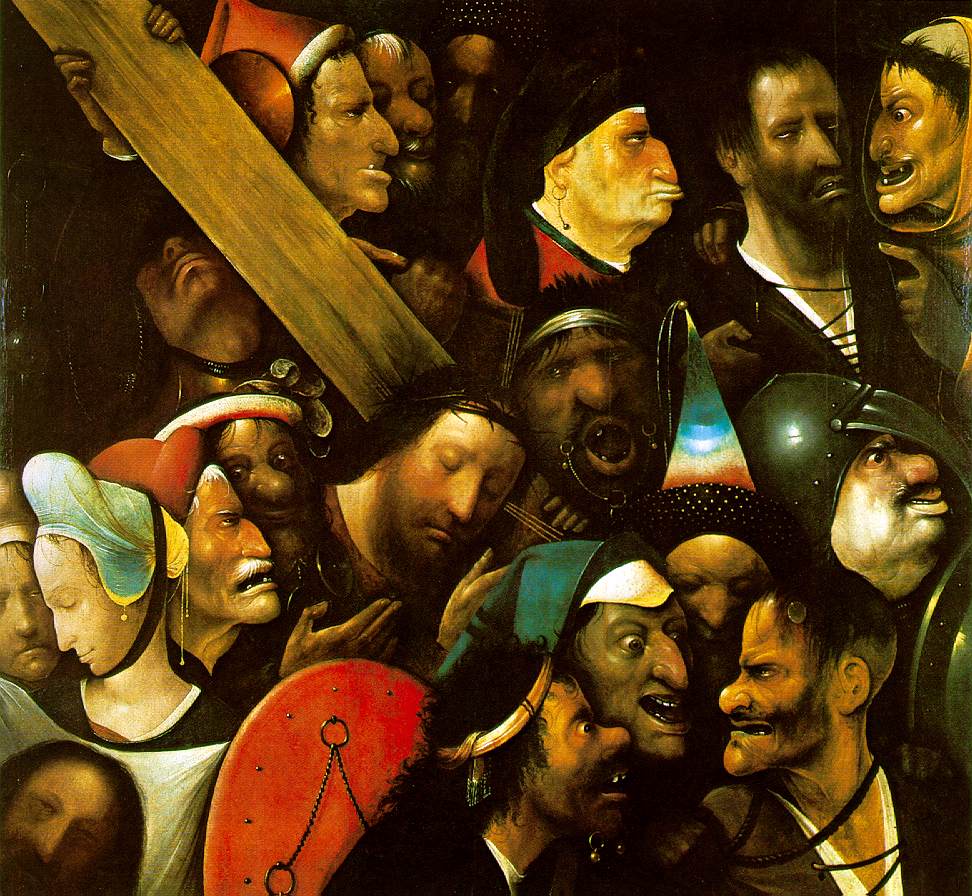
Holy Wednesday: Judas receives his money and plans his betrayal; the betrayal of Christ’s deciples begins
O send out your light and your truth; let them lead me; let them bring me to your holy hill and to your dwelling!
-from Psalm 43.3-
-silence-

Holy Tuesday: Jesus Curses a fig tree not blossoming in its proper season; Creation itself rejects its God.
O send out your light and your truth; let them lead me; let them bring me to your holy hill and to your dwelling!
-from Psalm 43.3-
-silence-
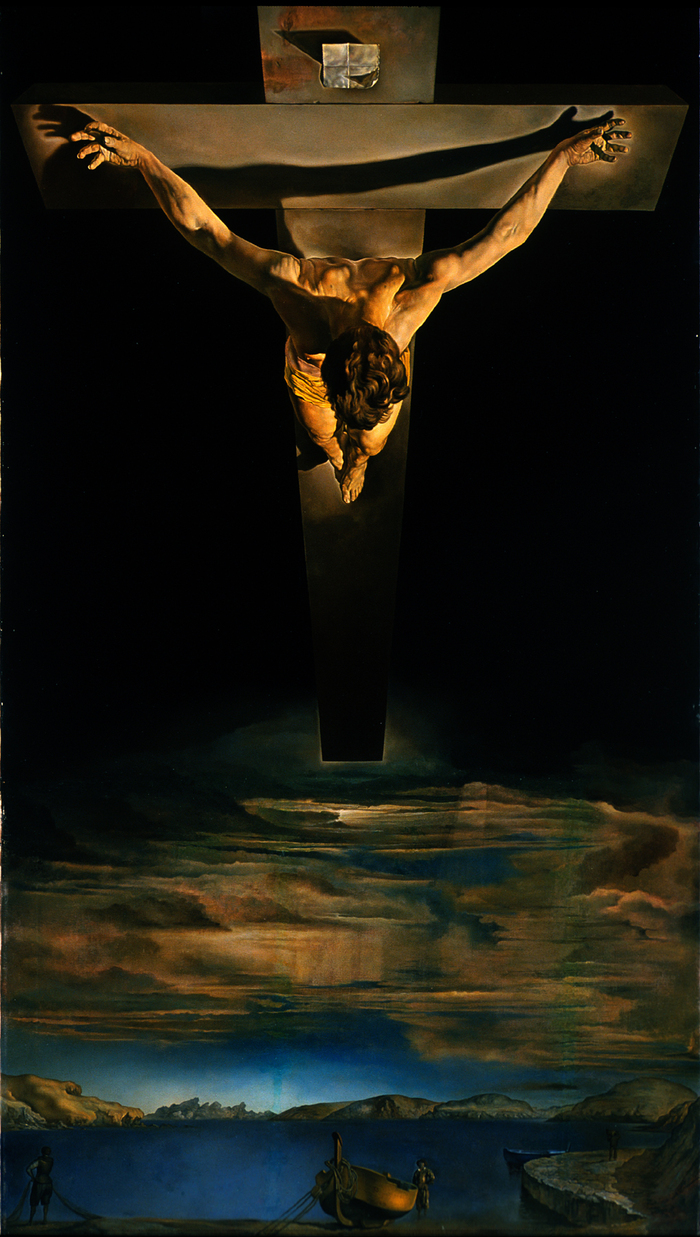 I’m really looking forward to doing a happy sermon sometime soon. But alas, I find myself preaching on both Ash Wednesday and Good Friday this year–not the happiest of Church Holy Days.
And yet there is hope.
It’s fashionable to emphasize the narrative nature of God’s work in the world. And yes, it’s true–there is a progressive nature to Redemption, with a beginning, middle, and end.
But God’s work is also often cyclical, with certain rhythms and movements that return, repeat, and fold within one another.
I had this in mind as I went into this sermon. Yes, we ought to press into the darkness and doubt of the Cross without just quickly comforting ourselves with the Resurrection–we have to sit there for a bit–and yet the Church Calendar gets into our bones and souls to such an extent that it transforms the darkness. We can never sit in the Cross’ forsakenness without feeling the spiritual muscle memory of previous Easters gone by. And in that is hope.
This realization led me to largely do away with my notes (which you can find below) when giving this sermon and largely ad-lib, speaking from the heart as I wrestled with this stuff in real-time. The text selections came from Matthew 26-27, and here’s the sermon audio. Feel free to send me any thoughts, questions or concerns:
You can also download it here, or subscribe to our podcast. If reading is more your style, here are my notes for your perusal. Continue reading

…fast falls the eventide; the darkness deepens; Lord with me abide…
Both viruses and people get themselves into us, infect us, surprise us, and change us–both for good and ill. And when they depart we are left with that most complex simplicities of emotions, asking simply: what was that? The story, the episode, that previously seemed to exist with such continuity now seems so disjointed from all others that “the purpose” seems our only thought.
…When other helpers fail, and comforts flee, Help of the helpless, abide with me…
We wonder, we wander, seeking our Home, our Rest, our Selves. We recast our history in the eyes of this present trial, this present pain, this present darkness, and feel the twitch and fear that comes whenever we seriously consider all we’ve done before and all it represents within us–all the trials caused, the pains committed, and the darknesses within us.
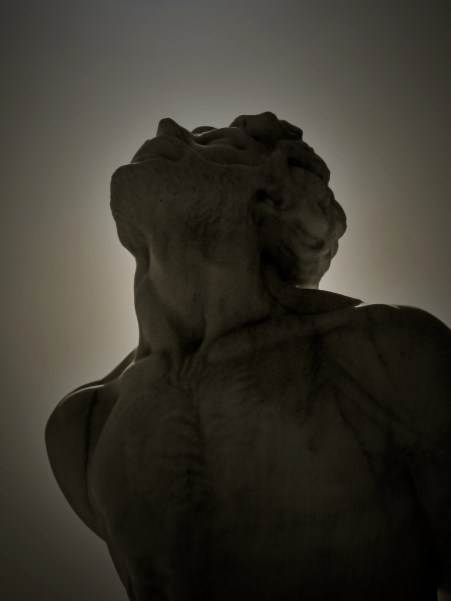 I had the honor of giving the reflection at our Good Friday service this year. For the service, we did a series of extended readings, from Luke 22.39-23.56, from Jesus praying in Gethsemane to his burial.
Preaching on this passage was a unique privilege for me, having recently returned from Israel. I walked these very steps that Jesus takes in our story. I prayed in the shade under the Olive Trees in the Garden of Gethsemane on the Mount of Olives. I walked down the Kidron Valley to the place where it’s actually quite possible Jesus was imprisoned overnight, beaten, and mocked. I walked through Old City Jerusalem to the fortress of Pilate. Our hotel was right outside the old city walls near the place of Crucifixion.
This passage therefore, especially in light of that trip, was so rich with meaning throughout. Nevertheless, the focus of my message was living in the darkness and tension between Good Friday and Easter.
Here’s the audio:
You can also download it here, or subscribe to our podcast. If reading is more your style, here (and below) is my manuscript for your perusal. Also, here is a picture of the cemetery I reference in the sermon:
Continue reading

One of the smartest and funniest women at my church, Alyssa, has this great blog you should all follow. In it, her observations on life, cities, and spirituality are whip smart and hilarious. Several weeks ago, she put up a post asking “Is Trump America’s Lent?” She writes:
For the purposes of this argument, let’s call Lent an annual wake-up call, a reminder that we aren’t as good as we think we are….Trump’s success so far is a wake-up call in itself, like a large-scale Lent: maybe we aren’t as good as we think we are. Apparently, as a country we’re actually more racist and fearful than we thought we were just a few months ago, when people laughed at the thought of him actually standing a chance. The land of the free might just be okay with building that wall. The home of the brave is actually pretty scared of Muslims.
This is incredibly insightful, and I think it turns our national “Trump-versation” to a helpful place in the Lent season. Rather than trying to understand “the Trump voter” on a micro-individual level–a level full of misunderstanding, prejudice, and judgmentalism on all sides–we might turn our gaze inward to our nation as a whole. Looking at the bigger movements and structures of our society, we can ask the hard questions that you can’t really ask when staring another individual in the face.
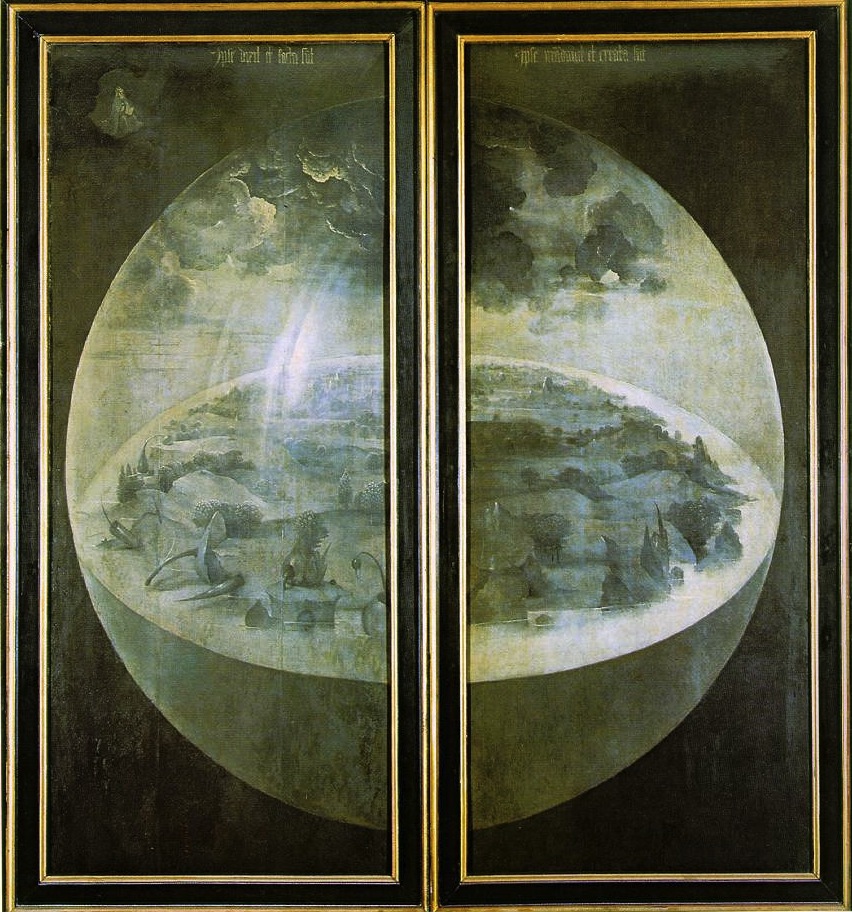 Each year during Lent, I press all the more deeply into a motif that appears throughout the Bible: that in some mysterious way, the God of the Universe has had a “slain” and “suffering” aspect to his nature for all eternity–even before the world came into being.
When this world did come into being, the Bible says that it came to exist “through” this suffering and slain Jesus. Therefore the rhythms of Christ’s own nature and life are written into the very DNA of the world. All of our history is an echo of Jesus’ life, both from eternity past and while on earth.
I’ve written before about what this means for the world and what this means for us, but what might this mean for the entire history of God’s work in this world?
Continue reading
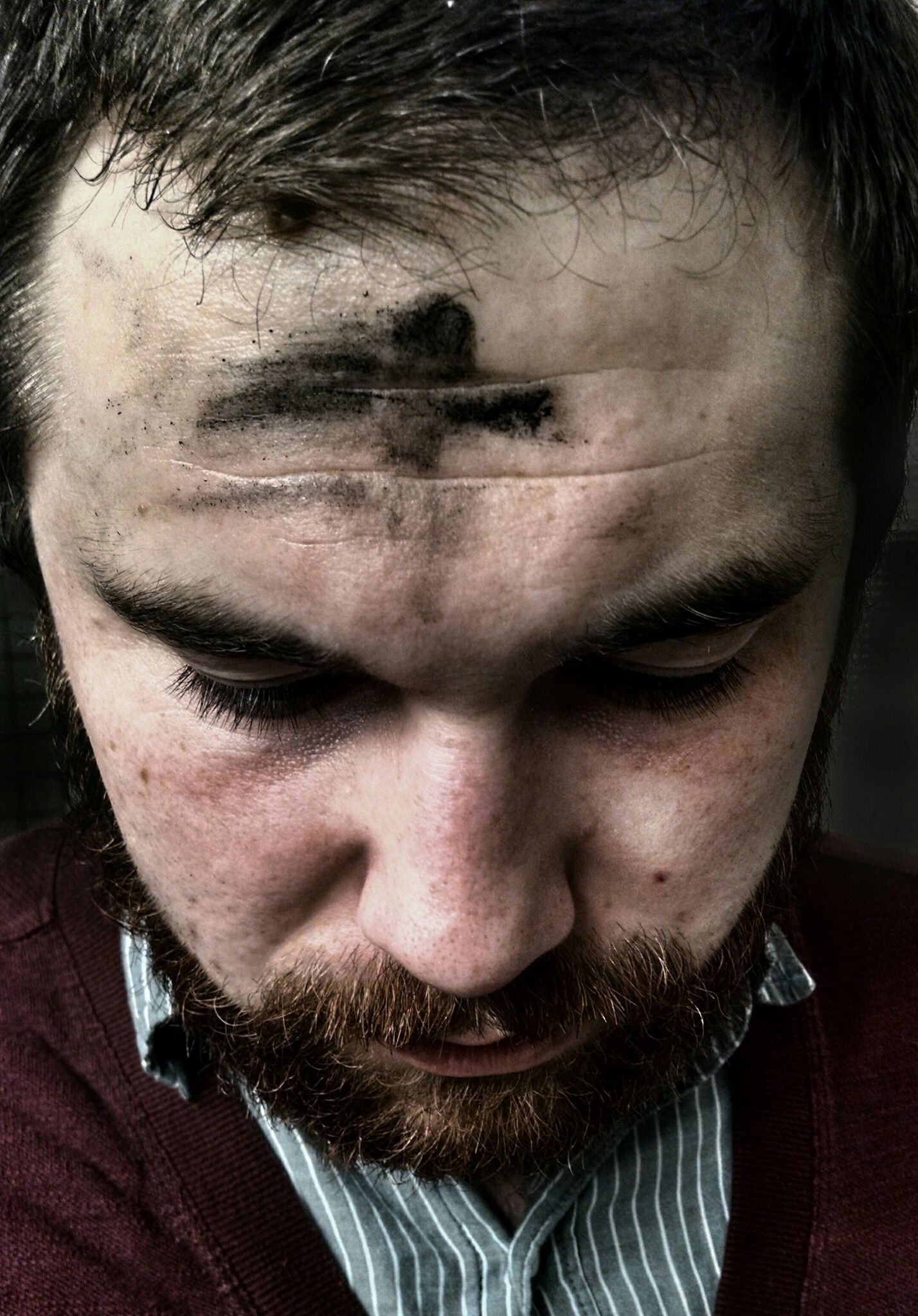
Ash Wednesday is the beginning of Lent, the time in which we turn the volume up on the dark whispers and hauntings in our souls that we spend the rest of the year trying to drown out. It is the season where we feel the gravity of our weakness and finitude. And Ash Wednesday particularly focuses on where we are most weak and most finite: our mortality.
Hundreds of millions (perhaps billions?) of people will gather today to take on one of the most packed symbols of the historic Christian faith: the placement of ashes in the shape of a cross on their forehead. We are called in the ashes to begin this process of mourning our slavery to Sin and Death. In the Ash Wednesday service, we hear the words, “remember from dust you came, and to dust you will return.” Ashes are a symbol of suffering, lament, tragedy, repentance, and mourning.
Continue reading
—
I wish everyone I know and love could come to Holy Week. The service of the Twelve Gospel Readings is so rich. It is long and it is rigorous (3 hours) but that is the purpose of liturgy — to re-form us in the spirit of Christ, away from the World, and that takes work. A lot of it. After the reading of the 5th Gospel, the lights go nearly out. The Priest enters carrying the icon of Christ on the Cross (video can be seen here). It is a slow procession and he hymns: Continue reading
 the long way home
