My Sermon on Judgment, Poverty, Sheep, & Goats


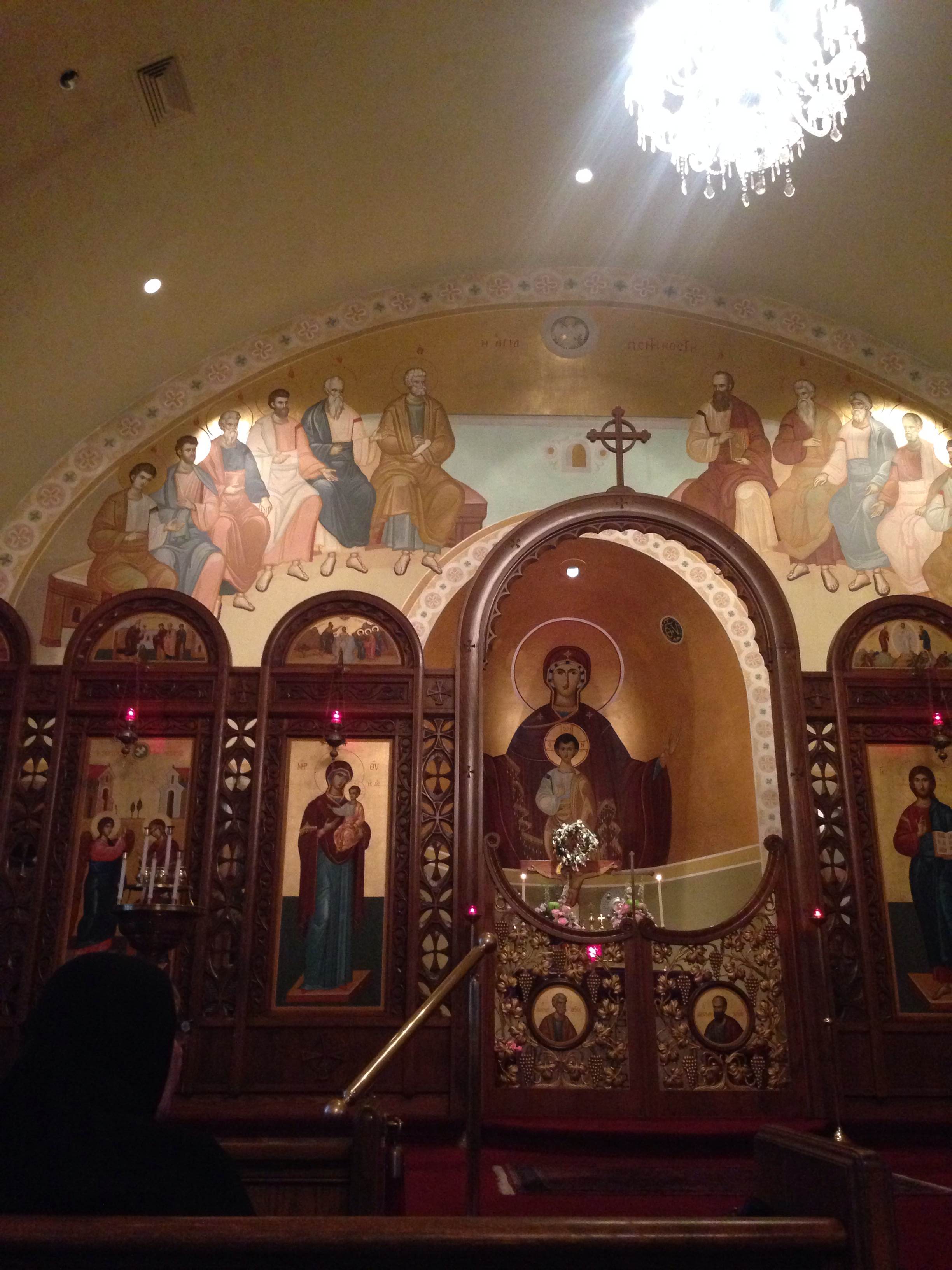
Christ-Shepherd-Judgment-Icon

Yesterday, I got to preach the hardest sermon I’ve gotten to preach (so far).

The text is Matthew 25:31-46, what is commonly called “The Parable of the Sheep and the Goats”. It’s also the one where Jesus shows up as a naked and hungry beggar and prisoner. It’s one of the most difficult, confusing, and doubt-inducing texts in the Gospels. Let me know what you think. Sermon cameos include Albert Camus, Samuel Beckett, Martin Luther, and homeless Jesus. Here’s the audio:

You can also download it here, or subscribe to our podcast. If reading is more your style, here is my manuscript for your perusal. Continue reading

On Theology: Choose Your Own (Feminist) Adventure


Delaunay-City-Paris

I recently told some friends about this year’s Lent series on “Male Feminist Theology”. One of them looked at me suspiciously and said, “I know what each of those three English words mean by themselves, but I have no idea what they mean together; it sounds like you’re fitting together things that don’t naturally go together”.

People often hear phrases like “Black Theology”, “Liberation Theology”, or “Feminist Theology”, and feel like there is a profound arrogance at play–isn’t simple “Theology” enough? Why must each group have their own pet theological opinions that belong only to them? But this is to profoundly misunderstand these theologies.
Continue reading

Quick Christian Feminism Quiz: What do you think of this image?


edwina-sandys-christa-edit

From Lynn Japinga’s excellent Feminism & Christianity: An Essential Guide (p.93):

Artist Edwina Sandys created a sculpture of a female form, arms outstretched as if hanging from a cross. The sculpture, entitled Christa, has created controversy wherever she is displayed. Critics say the statue defies the historical fact that Jesus was a man. Some viewers feel that the symbol of the cross is degraded or even blasphemed by a Christ in female form. Others are disturbed by the sexual overtones of the naked woman. Some people are troubled by yet another violent image of female suffering. A few people see in the sculpture the message that the death of Jesus symbolizes the pain of all human suffering.

The response to [this image] reveals various theological assumptions. Some people dismiss…the sculpture because they are literally false. Jesus was a man. End of discussion. Other people consider these images offensive and uncomfortable. It insults Jesus, and them as well, to think of him as a woman. These imaginative reconstructions of important events in the life of Jesus pose an important theological question: What difference does it make that Jesus was male?

Have at it. What do YOU think about this piece? What’s your first gut reaction? Why? What difference does it make that Jesus was male?

Continue reading

Lent: Poems, Mixtapes, Prayerbooks – Oh My!


chagall-exodusI’ll be honest, one of the reasons why I love Lent and the Church Calendar is because it is a helpful corrective for my own personal lack of personal discipline. I’m not especially skilled at putting together my own structure, and so I really flourish when structure and pattern is placed on me from the outside.

This is especially true with spiritual practices. To engage with a Church season like Lent, I often need to give myself a blog series to keep me thinking on a theme for the season (see above, under “Lent Posts“, and also check out this year’s series). I really do well with reading plans, prayerbooks, music albums, etc. If you find yourself in the same boat, here are some resources for this year’s Lent that some of you may find helpful.
Continue reading

This Ash Wednesday, I can’t do ‘Ashes to Go’ or ‘#Ashtag’


Processed with VSCOcam with hb2 preset

Hmm… I definitely took an Ash Wednesday selfie (see above). After this, though, I don’t know that I will in the future. As for Ashes To Go, I couldn’t agree with this piece more.

The Rev. Erik Parker's avatarThe Millennial Pastor

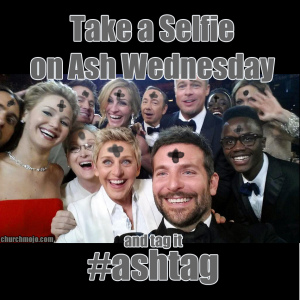
ashtag-selfie-ashwed-churchmojo-squareThis morning a blogger and writer that I like to read and whom I respect, David R Henson, posted an insightful blog post about the problems with #AshTag.

As I prepare for Ash Wednesday, my own thoughts have been swirling around how to approach and understand this first day of Lent. As David considered the problem of Ash Wednesday selfies posted to social media using the hashtag #AshTag, one line in particular caught my attention.

The systemic push within the church for Ash Wednesday selfies is an exercise in whistling past graveyards.

Needless to say, I won’t be posting an Ash Wednesday selfie (one would think that Shrove Tuesday or Mardi Gras would be the big selfie night).

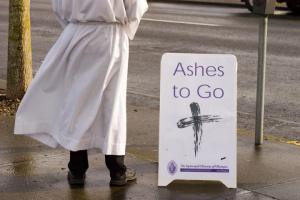
AshestoGo4But another Ash Wednesday innovation that I have surprised myself by not being terribly interested in is ‘Ashes to Go.’ Ashes to go is where clergy go out…

View original post 642 more words

Lent & Male Feminism: Reflections & Repentance


ash-wednesday-faces-of-the-faithful-photos

Today is Ash Wednesday. It is the beginning of the Lent season of the Christian Church Calendar. It is the time of year in which we turn up the volume on those darker whispers in our hearts to hear what they say. We turn our ears to the cries of the world bear the wounds of a weeping earth in our hearts and hands. And oh, the wounds are deep.

We come to this Lent with the weight of so much on our collective shoulders: so much brokenness, so much injustice, so much pain, heartache, death, and violence in the world. I honestly thought that 2015 would bring relief from 2014. So far, it has not.

But in the midst of the chaos that reigns both within and without, I am determined to turn my thoughts and this blog towards one area in which the Church as a whole needs to repent; an area in which I feel we can make some real progress in this day and age: Women in the Church.

I do have an on-going series on this topic that I’ve been adding to for the past couple of years, but I think it’s important and helpful to turn towards it particularly now. Lent has always had a deep connection to this topic for me.
Continue reading

ISIS, The 21, and Letting The Bible Speak For Itself


Featured Image -- 12968

Yes and amen.

josh's avatarJosh Howerton

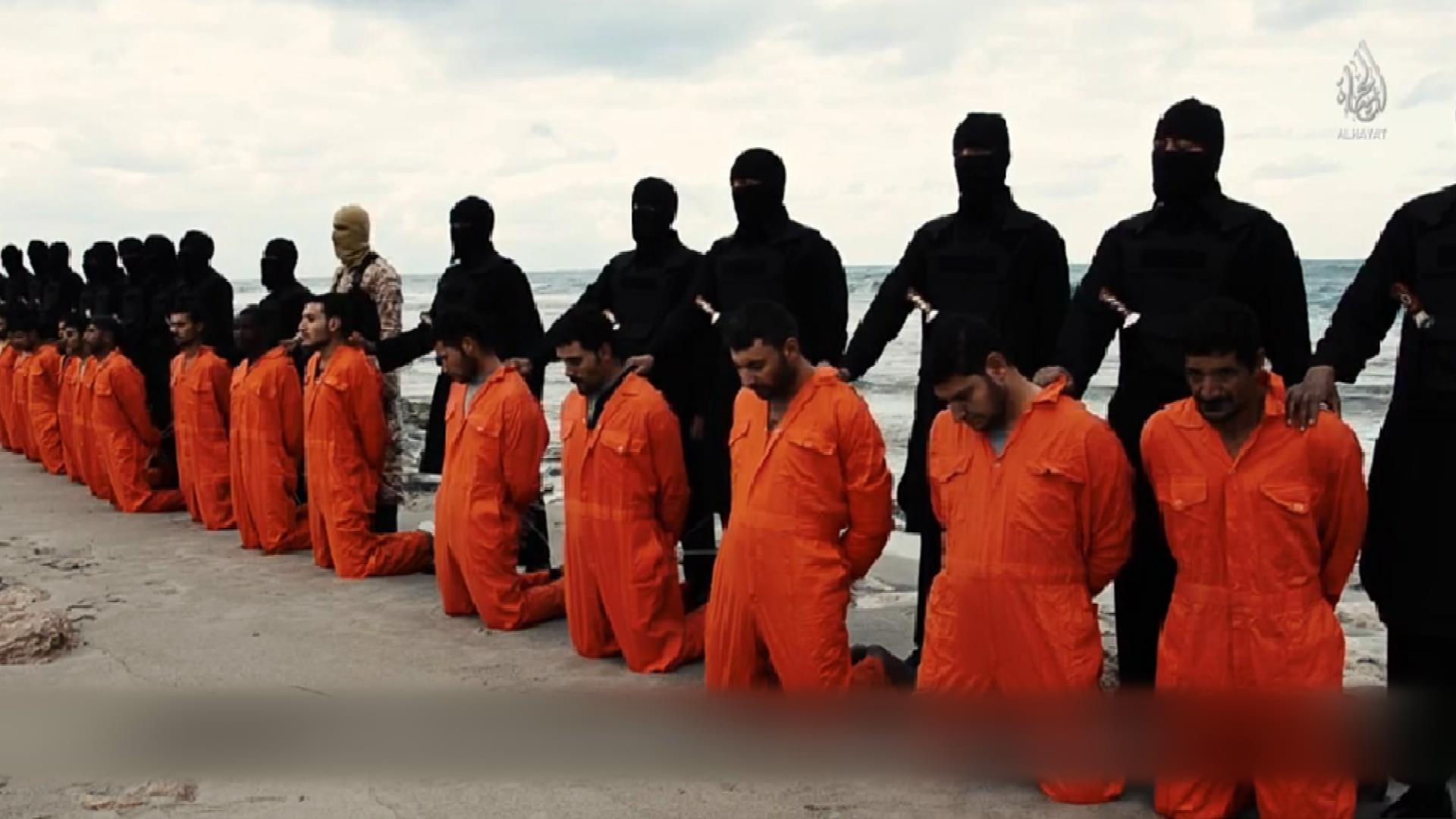
Yesterday, shortly after WG’s ended at The Bridge, news broke of ISIS releasing a video in which 21 Egyptian Christians – scornfully called “the people of the Cross” by the terrorists  – were marched to a secluded beach and savagely beheaded by men in black masks. After huddling our little family around the computer to talk about it, I was going to write a post. But sometimes a horror is so deep it’s best to place your hand over your mouth, unchain the Bible, and let it speak for itself…

Indeed, the hour is coming when whoever kills you will think he is offering service to God.  – John 16:2

Also I saw the souls of those who had been beheaded for the testimony of Jesus and for the word of God… They came to life and reigned with Christ for a thousand years.  – Revelation 20:4

Indeed, all who desire to live a godly life…

View original post 196 more words

For the Dead & Living: Prayers for the Martyrs of ISIS


isis-libya-martyrs

For the Dead

Eternal Lord God, we remember before you today your faithful servants,
the 20 Libyan martyrs; we pray that, having opened to them the gates of larger life,
you will receive them more and more into your joyful service, that, with all
who have faithfully served you in the past, they may share in your eternal victory.

Almighty God, who, in joy and felicity, lives with the spirits who die in the Lord,
and with the souls of the faithful: We give you heartfelt thanks
for the good examples of your servants, who, even in the fear of their final moments
finished their course in faith, and now find rest and refreshment.

Father of all, we pray for those we love, but see no longer:
Grant them your peace; let perpetual light shine upon them;
in your loving wisdom and almighty power, work through their deaths
the good purpose of your perfect will.
Continue reading

Sins of Our (White) Fathers: We Still Don’t Get It


robert-motherwell-elegy-spanish-republicThis weekend, I finally watched Steve McQueen’s  Twelve Years a Slave. Yes, I’m over-dramatic as a general rule, but I can’t remember the last time I cried like that (actually, it was probably after I saw McQueen’s last movie, Shame).

The brutal reality of the film combined with the knowledge that this wasn’t hypothetical–this was real–broke me. Further, it wasn’t just real for this one man, but for our entire nation. The brokenness, evil, and callousness of it all was staggering.

And we’re still doing it today.

No, I’m not exaggerating. The effects of slavery in this country are still absolutely tangible, apparent, and real. And frankly, too many of us don’t give a damn.

There are still people alive today that knew slaves when they were younger. That’s how recent this whole thing was. And yet, we’ve done to racism what we’ve done to every other thing we should engage with meaningfully but don’t–we’ve privatized and individualized it. We’ve redefined “racism” to mean harboring active, conscious, discriminatory thoughts and feelings towards someone of another race.

Continue reading

Wolterstorff: the liturgy & worship of lament [quote]


job-silohetteLast week, I was in Michigan again for my seminary program. Tomorrow I will post some reflections on my time there. Today, I want to offer you this amazing post-length excerpt by Nicholas Wolterstorff from an amazing piece of his called, “Trumpets, Ashes, & Tears” (pdf):

I suggest that there is yet one more thing which the believer experiences in his life of dispersion and which he brings with him to the liturgy….

As we human beings travel through life we experience pain and suffering–in part our own, in part that of others. Some of this pain and suffering is non-innocent suffering; it is punishment for, or the consequence of, moral evil. But not all of it is that.

The suffering of the Israelites in the brickyards of Egypt was not the consequence of their sin, nor was the suffering of the Jews in the camps of Auschwitz. Some of the suffering of our world even resists our seeing it as the counterpart of anyone’s sin–the accidental death of a child, for example.

Continue reading

A Holy Saturday kind-of Easter (on doubting the Resurrection)


Rothko-blue-and-gray

The culmination of Lent is Holy Weekend, prefaced by Maundy Thursday and consisting of Good Friday, Holy Saturday, and Easter Sunday. I realized that each year that I have been really intentional about my Lenten engagement, one of those four “Holy Days” seems to overshadow the the others and carry over into this Easter season (yes, it’s a season).

There are some years where the foreshadowing and ever-repeating Presence of Jesus in Communion makes Maundy Thursday the highlight (or lowlight?) of Lent. Some years, the utter darkness, weight, and drama of Good Friday overtake me and linger in my mind well into Easter season. And still others, no matter how I try to reflect and meditate on sinfulness and fallenness, I still can’t escape the lighted joy and horizon-cresting dawn of Easter, whose anticipation overshadows (or over-brightens?) my Lenten experience, making all the doom and gloom seem foreign to me.

For me, this year is a Holy Saturday kind-of Easter.
Continue reading

Here’s absolutely everything the Gospels say was happening on Holy Saturday


The next day, that is, after the day of Preparation, the chief priests and the Pharisees gathered before Pilate and said, “Sir, we remember what that impostor said while he was still alive, ‘After three days I will rise again.’ Therefore command the tomb to be made secure until the third day; otherwise his disciples may go and steal him away, and tell the people, ‘He has been raised from the dead,’ and the last deception would be worse than the first.” Pilate said to them, “You have a guard of soldiers; go, make it as secure as you can.” So they went with the guard and made the tomb secure by sealing the stone.
–Matthew 27.62-66

On the sabbath they rested according to the commandment.
–Luke 23:56b

Yep. That’s it.

See other Marginalia here. Read more about the series here.

Sabbath [a Holy Saturday poem]


Rothko-Black-RedOn the 1st Day: God created Palm Trees and Donkeys
On the 2nd Day: He created Fig Trees and Temples
On the 3rd Day: He created Scribes and Pharisees
On the 4th Day: He created Silver and Kisses
On the 5th Day: He created Bread, Wine, and Gardens
On the 6th Day: He created a Tree, Nails, and Thorns

And on the 7th Day: God rested from His labor.

And there was evening
And there was mourning…

___________________________

[read my other Holy Day poetry here]
all writings licensed: Creative Commons License

Liturgy & Readings for Holy Saturday (2014)


This is from the Liberti 2014 Lent & Easter Prayerbook. Download the book for free for poetry and extended reflections for this week and next.

WORSHIP

call to prayer.

Be pleased, O God, to deliver us;
O LORD, make haste to help us!
–Psalm 70.1

the Gloria.

Glory be to God the Father, God the Son,
and God the Holy Spirit.
As it was in the beginning, so it is now,
and so it shall ever be, world without end.
Amen!
-the “Gloria Patri” !

the Psalm.
Continue reading

Chesterton on the Atheism of God on Good Friday [QUOTE]


When the world shook and the sun was wiped out of heaven, it was not at the crucifixion, but at the cry from the cross: the cry which confessed that God was forsaken of God. And now let the revolutionists choose a creed from all the creeds and a god from all the gods of the world, carefully weighing all the gods of inevitable recurrence and of unalterable power. They will not find another god who has himself been in revolt. Nay (the matter grows too difficult for human speech), but let the atheists themselves choose a god. They will find only one divinity who ever uttered their isolation; only one religion in which God seemed for an instant to be an atheist.

–from Chesterton’s Orthodoxy, as quoted by philosopher  Slavoj Zisek, in this article on “German Idealism & Christianity, from Hegel to Chesterton”.