some hopefully not weird Christian thoughts on Halloween.


73497_813635955116_1310185_nA friend emailed me yesterday asking if I had ever written a post on Halloween and how Christians should relate to it. This was my reply to him. Also, in honor of Halloween, I’m posting this picture of the best Halloween costume I ever had. Can’t figure it out? The answer is at the bottom of the post:

Sorry to be anti-climactic, but I don’t really have any strong opinions on the matter either way. I’ll probably stay home Halloween, work on school work, and hand out candy to kids.

I really think it’s up to the individual Christian’s conscience, though there are obvious things that might be “unwise”. For one, don’t get wrapped in the sexuality that seems to have pervaded Halloween. Second, if you do a costume, try not to be exploitative (grown-ups dressing like little kid-sort of things and sexualizing them, acting gay as a joke, mocking others, or I heard of one couple of white friends who went as a dead Trayvon Martin and a George Zimmermamn, with the Trayvon guy wearing black-face).

Importantly, though, I don’t encourage myself or other Christians to be “weird” about it.
Continue reading

Good Morning (prayer)! [photo sermon]


ultimo-coffee-cortado

Each week, WordPress has a Weekly Photo Challenge, where they give a theme and invite people to highlight photography representing that theme, accompanied by a few meditations on it. OccasionallyI try and write a “photo sermon” or meditation based on those themes, accompanied by a photo of mine . This week’s theme is “Good Morning“.

* * * * *

In one of those oddities of tire human condition, I love sleep, and yet I avoid it like the plague. I have a terrible sleep schedule. My sleep pattern is a microcosm of my lack of discipline in many parts of life, and maybe even an extremely low level of self-harm, where my body and heart wouldn’t really know what to do if it were consistently well-rested. There’s something about a constant weight of tiredness that—maybe—makes one feel “productive”, even as it steals productivity away from you.

This is a lie. I know. I’m working on it in therapy.

In some Christian circles, people claim “life verses” for themselves; bits of the Bible that they feel speak to them so deeply that the words amount to a blanket summary, call, encouragement, guiding principle, or telos to their life. People usually pick a “life verse” that speaks to what they want their life to be or how they want God to work in their lives.

Continue reading

“Coffee Crucifix” (a sonnet for National Coffee Day)


Coffee Crucifix

Crescent ring under porcelain smooth
___stain the wood-stained finish.
______(It is finished.)
___Marked with muddy water;
___mark the merry day; to
___marry the murdered man.

Floral notes in blackened waves
___crash the shore of trembled lips.
Choral bright, in darkest night,
___wake the tone of trebled kiss.

Younger tastes left open-wide; older eyes made
satisfied.

Mark the wood: complex simplicity.
Pierce my heart: storied infinity.

[read my other Holy Week poetry here]

all writings licensed: Creative Commons License

A Brief History of Liturgy (for those interested)


emergent-tree-house-churchYesterday, I posted some brief thoughts on liturgy and how it shapes us.  Those words were primarily taken from a document I wrote up a few years ago to train those leading liturgy. Today, I wanted to post another little section from that piece, going through an extremely brief history of liturgy in the Bible and how it developed in the early church.

Liturgy in the Bible

We see fairly early on that God intends for there to be a definite pattern or shape to worship among his people. He spends chapter after chapter talking about both the space and structure of the worship of the Israelite people in both the Tabernacle and the Temple. This continues in the Jewish community even today.

But at this point in the story of the Bible, the fullness of all that God will do to bring about our worship is incomplete, and so this worship is merely anticipatory of something that is to come. But throughout the Bible we get glimpses of a definite pattern to how God relates to his people–to how this story will eventually look in it fullness. This story–this pattern–is what forms the structure of our liturgy even today.

Throughout the Bible, repetition of form and phrases is used to shape the people of God. In the Psalms, the same phrases are used over and over again in the music. In the Old Testament, verses from other parts of it are meditated upon and repeated for worship.
Continue reading

How Liturgy Shapes & Makes Us


schrott-cross-church-office-apartment

UPDATE: I posted a brief history of liturgy and its movements.

A couple of nights ago, those that help lead and facilitate the worship service at my church met to discuss how we should continue to grow and remain faithful to our mission in the city of Philadelphia through our liturgy and music. It reminded me once more of how much I love being a part of this church and its tradition, and how excited I am to live life with these people.

Meditating on these discussions about our liturgy, I was reminded of the myriad of ways that the structure of one’s worship service forms the people that sit there each Sunday. I thought of how liturgy functions. If you go to a church, it has a liturgy: some structure that proclaims a certain story and shape of existence, and it changes people to fit into that shape and story.

And this got me thinking of a document I wrote up a couple of years ago to help train and encourage those leading liturgy at our church. In it, I wrote about six “facets” of the diamond that is liturgy. And that’s what I wanted to post here today.

These are some ways that liturgy acts to shape us. After each thing, I’ve given a sample topic and tried to show how liturgy functioning in that way can speak to and shape someone in that area. This was originally meant as a guide for people that introduce the service and try to acclimate people to the liturgy.

I hope this reminds us that liturgy matters, and being intentional about your liturgy is such an important part of leading and ministering within your church context. If you don’t serve as a leader in this aspect of your church’s life, and don’t really speak to liturgy formation, I hope this helps you recognize the formative nature of your church’s liturgy, and that it helps you connect to and engage with your church in a deeper, more intentional way. For more on this, I could not suggest more highly James K.A. Smith’s book Desiring the Kingdom.
Continue reading

Postscript: J. I. Packer’s Helpful Evaluation of Praying in Tongues [QUOTE]


ji-packerI just have one more thing to post in this little series on my charismatic sensibilities. Yesterday, when writing about praying in tongues, I quoted from this long piece that J. I. Packer (the spry man to the left) wrote evaluating the charismatic movement as a whole. It’s a heavy article, but if you get to his conclusions, they are very interesting.

Packer is a Reformed Anglican, and believes that the “sign” gifts (the “extra-crazy” works of the Holy Spirit) have now ceased and were only used for a time to “get the church going” as it were. (If it weren’t clear, I think this designation of “sign gifts” is incredibly arbitrary and I think you have to twist the Bible backwards to prove that these things simply stopped at some point in time. I think they are still very much with us, however neglected they may be.)

But still, he is incredibly gracious to the charismatic movement and sees it as a legitimate expression of God’s people seeking a greater communion with him, and even believes that they need to teach the old Reformed fuddy-duddies (is that how you spell that?) a thing or two. I found his comments particularly on tongues especially delightful, and I thought it would be a fitting post-script to these posts I’ve been writing on my own charismatic side. The paragraph breaks in this quote are my own, for ease of reading. Continue reading

Charismatic Confessions, pt. 2: Tongues Don’t Have to be Weird


peter-preaching-statue{abstract: The Bible talks about two types of tongues that take place among the Church: speaking in human languages that get translated, and speaking a “heavenly language” that sounds like non-sense and an interpretation is given. The apostle Paul encouraged people to prefer speaking in regular human words rather than tongues, and this practice turned into the later historical practice of rooting authoritative Church speaking in Bible-based sermon preaching. Paul then encourages, and I have embraced, that we move speaking in tongues away from a corporate church usage and a private, prayer one. The next post will talk about praying in tongues.}

UPDATE: Part 3 is up, where I talk about the what, why, and how of individual praying in tongues.

Yesterday, I got thinking about my charismatic past. I mentioned an Op-Ed piece in the New York Times about recent research on the phenomenon of speaking in tongues. This got me thinking about my own charismatic past and experience of these sort of things, and reflecting on how little a part of my life those things are now. Except, that is, for personal praying in tongues.

A couple of nights ago, I raided my bookshelf and pulled down every theologian that may have said anything about this phenomenon and looked through all of them. Every person said something different. There are so many different opinions about tongues. I don’t write this post to sort out this issue or give a definitive account or defense of where I land. I just want to introduce some people to this idea who might otherwise be weirded out, strongly against it, or don’t really know what to think about it.

Continue reading

My Walk to Church: One Shot, Two Ways (a photo sermon)


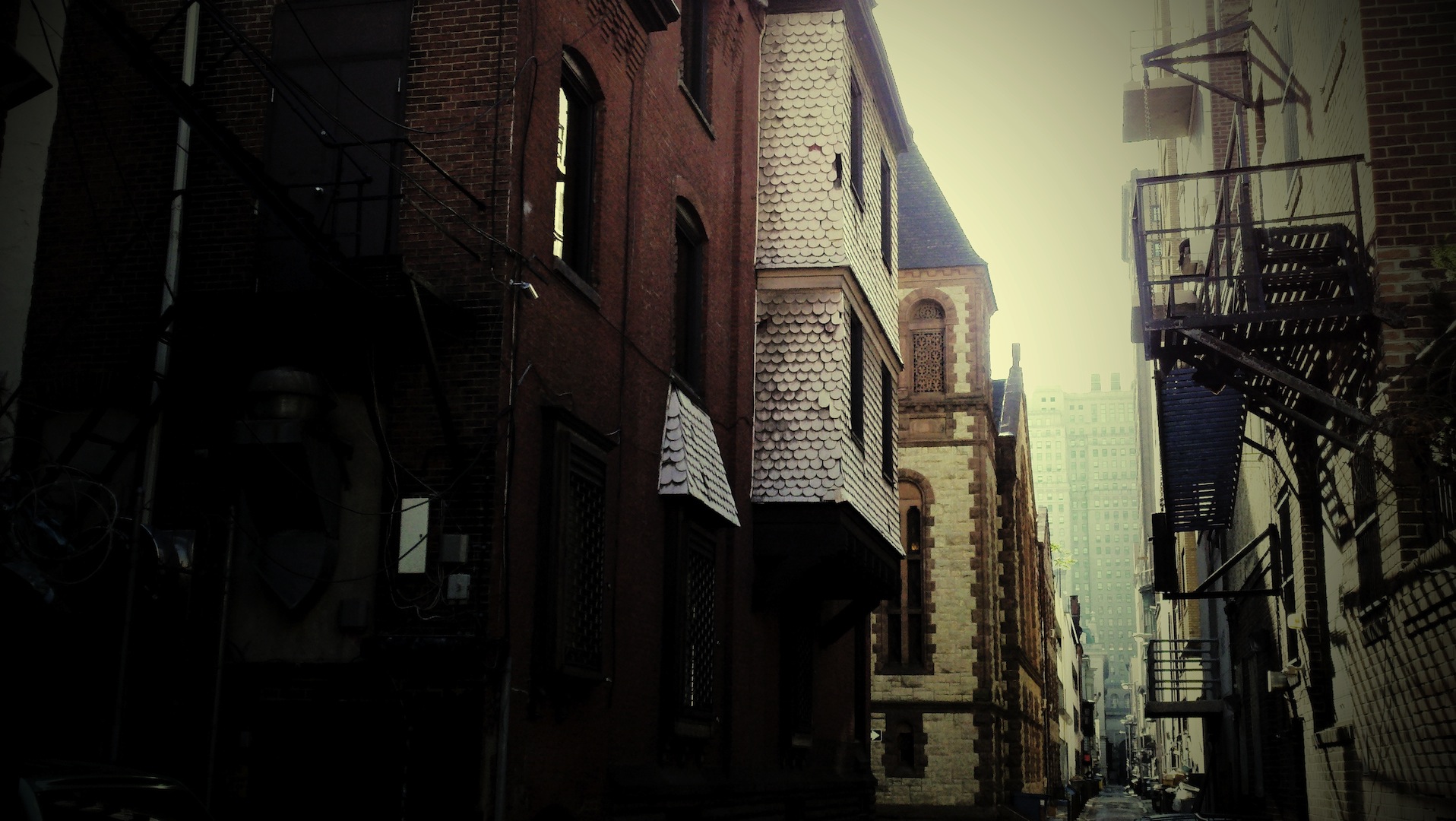
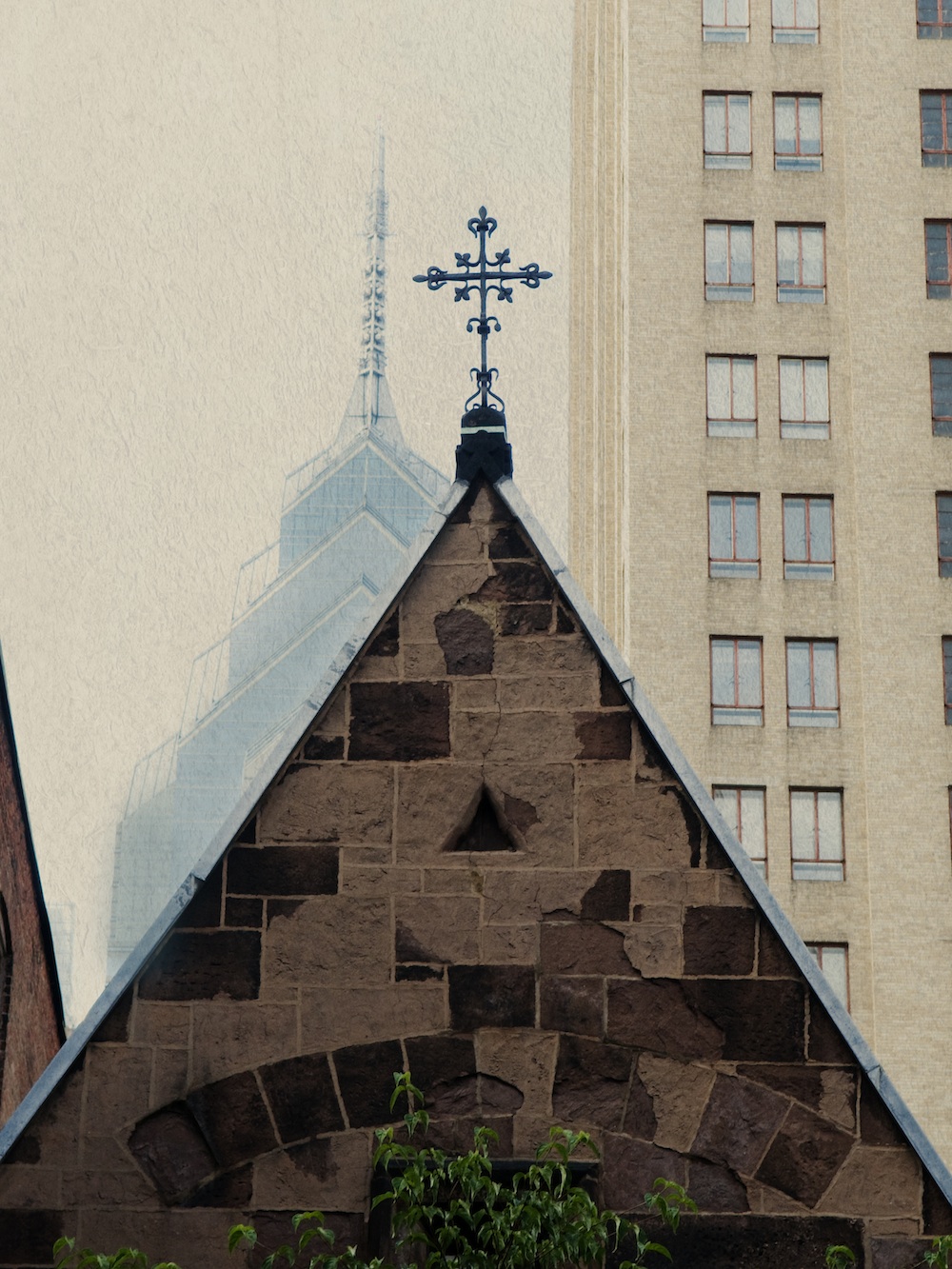
rittenhouse-alley-church-hor

For those new to  the blog: each week, I try and write a “photo sermon” based on the themes of the WordPress Weekly Photo Challenge. This week’s theme is “One Shot, Two Ways“, which is a silly title to describe taking two shots, from the same place, at the same time, but trying to make them very different.

* * * * *

Whenever I walk to my church, it’s one of the strangest experiences for me. I grew up in the South, when Sunday morning was a time of slow traffic, long lines at Donut shops, and lots of people milling around as they meander their way to their respective churches.

Not so, in Philadelphia.

As I walk down the few neighborhood blocks that stand between my house and the city center, I’m quite often by myself. I occasionally have my heart sink when I see a woman making the “walk of shame”, where she’s walking home in the same dress and heels from the night before, trying to fix tussled hair and making sure all of her personals are still in her purse as she walks. It could just be the time of morning and a potential hangover, but she never looks happy.

I usually see runners. They enjoy being able to run on the city streets in the cool of the morning with no annoying pedestrians to dodge. I also see a fair share of dog owners, still in pajamas, annoyed that their pet couldn’t hold it for a few more hours and give them more sleep.

Continue reading

Foreshadowing the City [a photo sermon]


philly-traffic-skyline-sunset

For those new to  the blog: occasionally, I try and write a “photo sermon” based on the themes of WordPress’ Weekly Photo Challenge. This week’s theme is “Foreshadow“.

* * * * *

Foreshadowing is a huge part of the Christian faith. The opening words of the Bible offer us the problem that the rest of the book will explore a solution to. It says, “In the beginning, God created the heavens and the earth.” From the beginning, “heaven” and “earth” are two different things, in two different “places”. God intends to bring them together and make them one. How will he do it? The book invites us to read on.
Continue reading

How We Prove God (a prayer by Karl Barth)


hands-pray-sepia“Dear heavenly Father, we ask you to give us all your Holy Spirit, and to give it continually, that it may awaken, enlighten, encourage, and enable us to dare to take the small and large steps of moving out of comfort with which we can comfort each other and into hope in you. Turn us away toward you! Do not allow us to hide from you! Do not let us do anything without you! Show us how glorious you are and how glorious it is to trust and obey you!

We would ask the same for all people, that the nations and governments may bow to your Word, and that they will be willing to work for justice and peace on earth, that your Word may be understood and taken to heart by all those who are poor, sick, imprisoned, troubled, oppressed, and unbelieving; that through word and deed it may be made known to them; and that it may be perceived by them as the answer to their sighs and cries; that all Christian churches and confessions may learn to recognize it anew and serve it with renewed faithfulness; that its truth may be and remain bright here and now in all of humanity’s error and confusion, until such a time as it shall ultimately enlighten all people and all things.

You are glorified, you who make us free in Jesus Christ, your Son, by confessing and standing on this: that our hope is in you. Amen.”

— from Karl Barth, “Pentecost” in Fifty Prayers

(Note: This was posted as part of a series of back-and-forths between an Atheist friend and myself. These exchanges are now complete. There is a Table of Contents to the discussion now available.)

The Suffering of The Holy Spirit


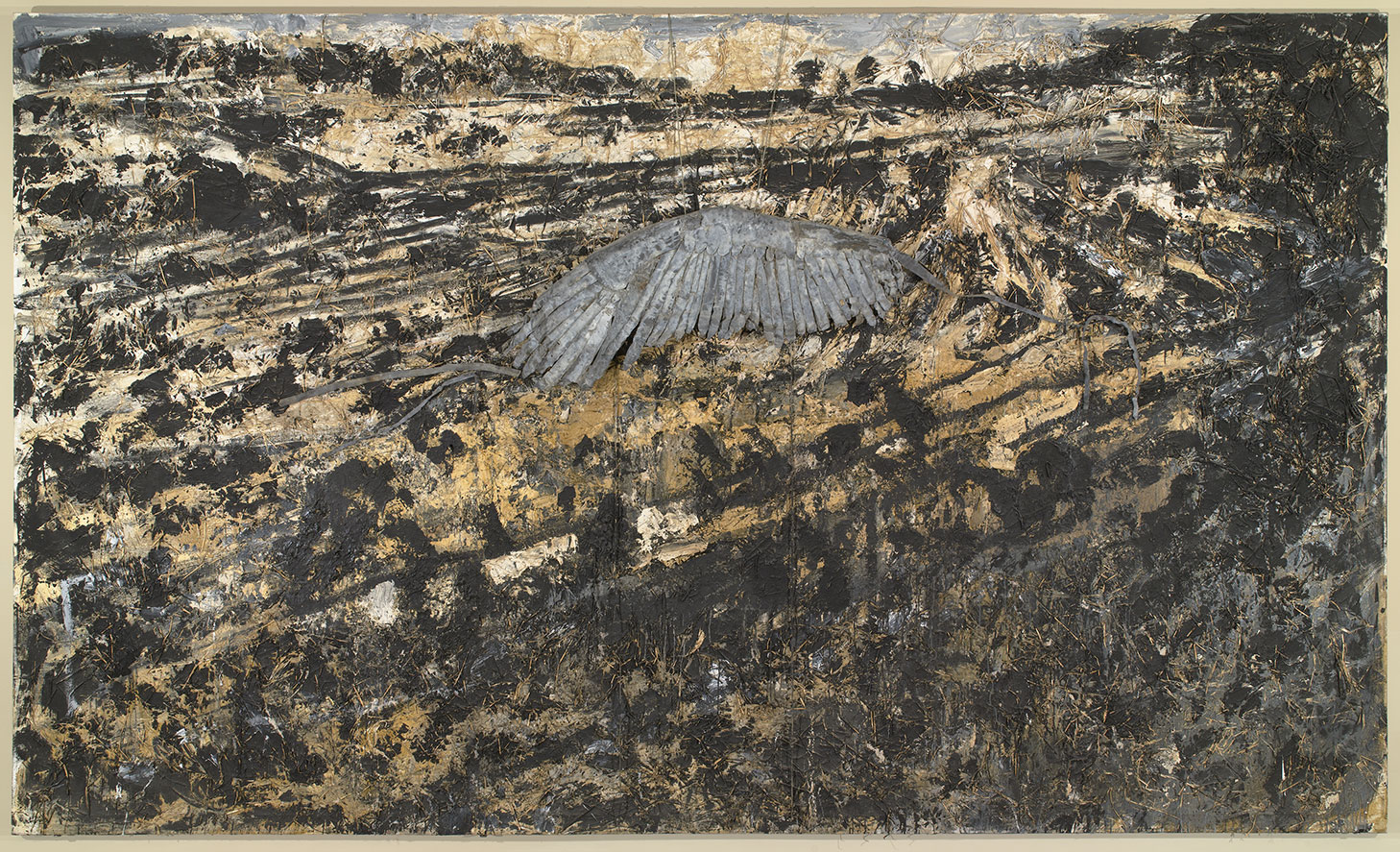
Anselm Kiefer-Landscape with a WingIf you’re like me, and were raised in the most previous generation of the American Church, the more painful parts of human existence didn’t really make an appearance in the course of religious conversations. There was talk about doctrine, and piety, and all “those people” that were sinners, but the only real insight that could be given to those that were hurting was that they needed to read their Bible more, trust Jesus more, sin less, so on and so forth.

Suffering was unconsciously assumed to be something outside of the everyday experience of the “victorious” and “justified and sanctified” Christian. People responded to the suffering of others with a cautious distance, thinking something had gone horribly wrong with their life, God’s providence, or their souls.

And then I had the privilege of sitting under amazing teaching in college that really brought suffering to the fore. I was encouraged that suffering was not “supposed” to be an aberration in life, but rather the expectation of how things are. We didn’t pursue it, but we certainly didn’t need to, because it would find us.

Continue reading

The Lord is Fleeting [photo sermon]


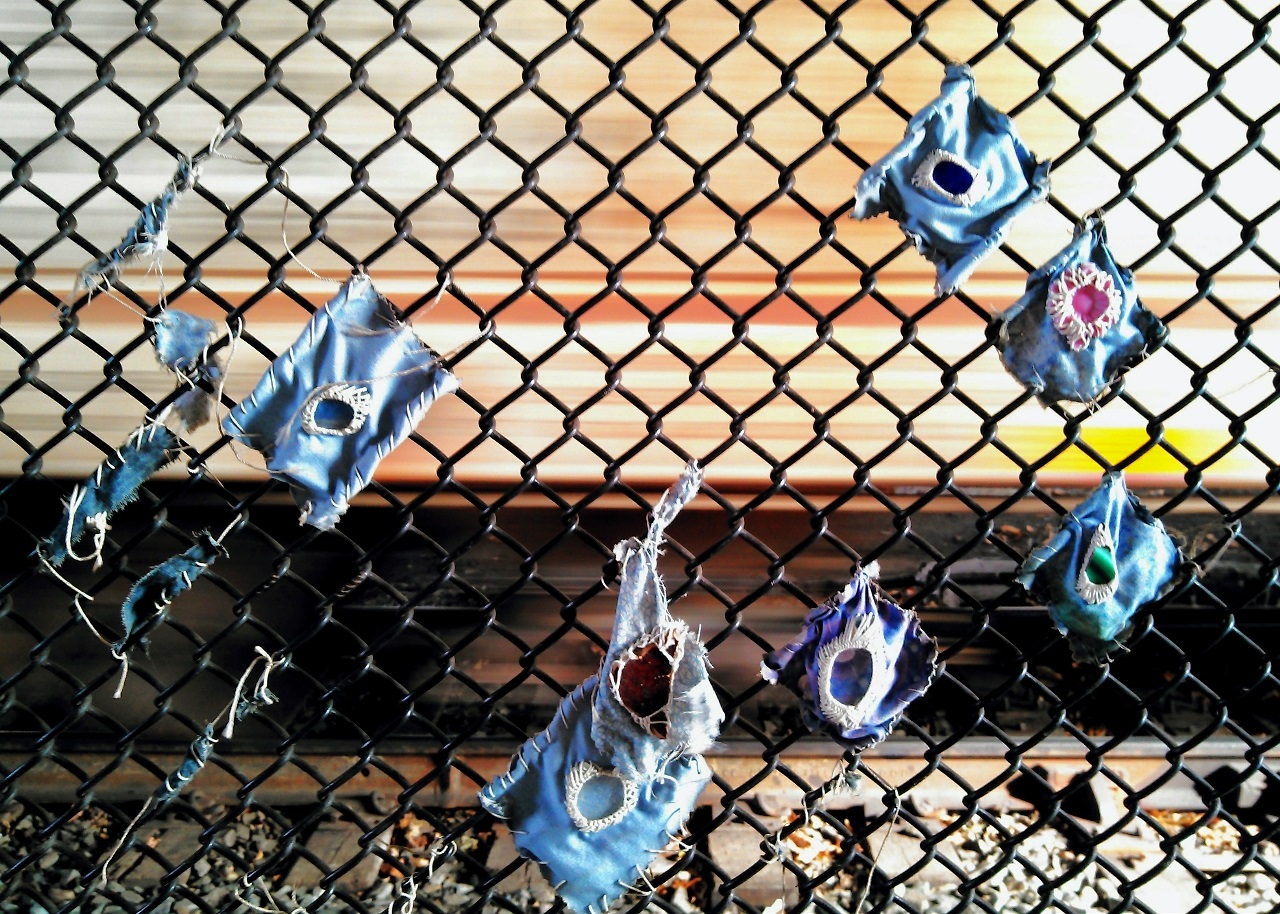
train-knitting-fleeting

For those new to  the blog: each week, I try and write a “photo sermon” based on the themes of WordPress’ Weekly Photo Challenge. This week’s theme is “Fleeting“.

* * * * *

A garden cool. A God at leisure. Lovers conspire. Nectar tasted.

The God is gone.

He appears in visitors and shapes and shadows, and as a voice to an ancient Babylonian:

“I will make you…”

The Babylonian’s faith is counted as righteousness, and deservedly so, for this man doesn’t hear the voice of God in any way for decades. (And I get mad when his voice leaves me for months.)

This God lets his people sit in slavery for hundreds of years. When his Chosen asks to see his Glory, He offers only the briefest glimpse of his back. When His People stray at Sinai, He still offers to give them every benefit that He promised–the land, the victory, and their identity. The only difference: He would send his angels with them and withdraw his own Presence.

They freak out.
Continue reading

Ordinary Time: It’s still Pentecost….but not really (but sort of)


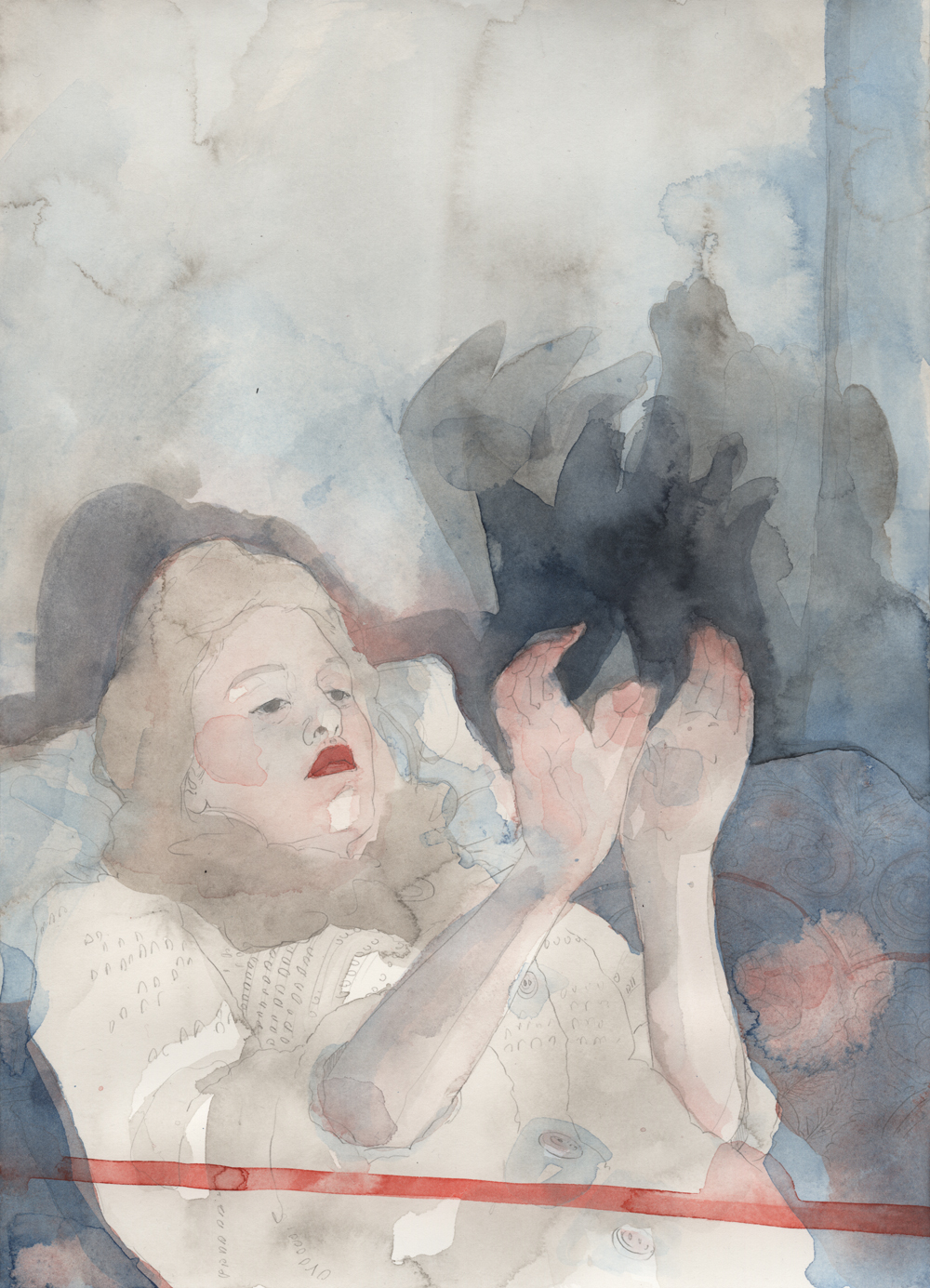
angie-iver-woman-hands-watercolorThe wisdom and beauty of the Church Calendar never ceases to amaze me.

After the Holy Day of Pentecost happened a few Sundays ago, I turned to my favorite daily prayer site, MorningPrayer.isThis site always has a banner along the top displaying the current church calendar season. I was surprised to see, days after Pentecost, the words “Ordinary Time” splayed across the site.

Isn’t it the season of Pentecost?

So, I googled it, and I found out that there’s no such thing as Pentecost Season.

Pentecost is just a single, holy day in the Christian Church Calendar. It’s when we celebrate the falling and indwelling of the Holy Spirit upon Christian believers, 50 days after the Resurrection (Easter). Kind of a big deal, right? Might it deserve a season?

And though it’s not a season, it’s actually far more beautiful than that.
Continue reading

Pentecost: spirituality vs. Spirituality


crazy-clouds

I don’t know about you, but too often I divorce spirituality from the Holy Spirit.

Now don’t get me wrong, I fully understand that “spirituality” is a matter between my spirit and the Holy Spirit. But I too often define spirituality as fundamentally being about my spirit–stirring it up and syncing it up to God. Too often, when contemplating my own spirituality, my thoughts first turn to how I can ” feel the Spirit more”.

If I’m honest, I too often think that a healthy and vibrant spirituality is ultimately defined by intense spiritual experience (emotions, gifts, fruits, and such). And yes, these are definitely products of a vibrant Spirituality, but don’t we too often pursue the product, and ultimately miss the point? Most of the time, I think that if I simply achieve those “experiences”, I have been “successful.”

True “Spirit-uality” is not first and foremost about the state of my spirit. Instead, it is about developing a dynamic vitality with the Holy Spirit. It’s about being swept up in a force greater than myself–a person greater than myself.
Continue reading

Ascension: Our glory & the Bible’s hinge


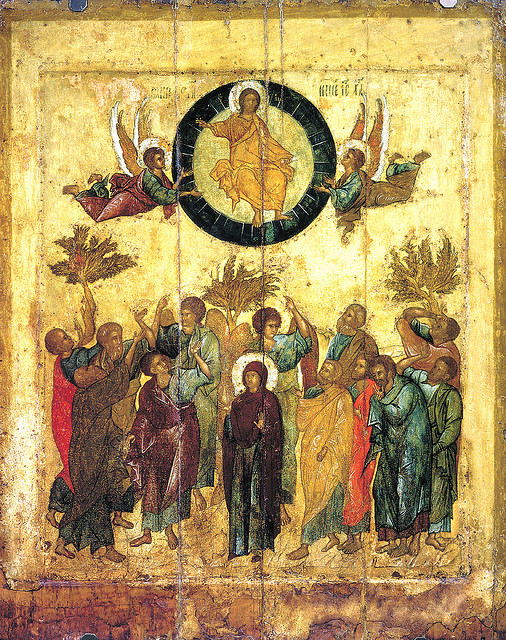
jesus-christ-ascension-iconToday in the Christian church calendar is Ascension Day, the day we celebrate Christ ascending into heaven 40 days after his resurrection and now sits at “the right hand of God the Father.” (You can read a prayer and poem I posted earlier for this Holy Day)

The Useless Ascension

The idea of “Ascension” doesn’t seem to get a lot of play nowadays in the Church. This, in spite of the fact that it is an essential part of all the Church’s earliest doctrinal formulations, and the subject of the most-quoted Old Testament verse in the New Testament:

The Lord says to my lord, “Sit at my right hand until I make your enemies your footstool.”

Compared to other, non-creedal things like Hell, homosexuality, and “attacks on biblical authority”, the Ascension isn’t really talked about. Maybe this is because the Ascension isn’t really a “doctrine”–it’s an “event” and a “declaration”.

And we western Christians love our systematic “doctrines” that we can pick apart as nauseam and/or figure out how we can “apply it to our lives” in such a way that we can feel like we’re “good Christians.” But honestly, the Ascension doesn’t have many direct applications for today.
Continue reading