Developing Ancient Creeds & The Trinity


monica-ben-wedding-rings-trinity-tattoo-arm

Yes, I graduated from seminary, and yet I still have a couple more classes I’m finishing up. One of them is going through the documents, Creeds, Confessions that define the theology of my denomination, the Reformed Church in America. I’m having to write a bunch of reflections on differents aspects of these writings, and I offer them here.

Every way of understanding the world involves creeds and confessions. “Creed” comes from the Latin word meaning “I believe”, and a Confession from the Latin for “acknowledge”. A Creed or Confession, then, is simply a distillation of what you acknowledge and believe. There’s nothing weird or particularly “Catholic” about it.

From Creeds to Trinity

If you are a Christian, no matter which part of the family you call home, your beliefs almost certainly fall in line with what have been called the “Ecumenical Creeds”, which are the oldest and simplest articulations of the Christian essentials. They include the Apostle’s, Nicene, and Athanasian Creeds.

Now, if you were going to start writing out the core of what you believe, where would you begin? The interesting thing about these Ecumenical Creeds is that they are built entirely, both in foundation and structure, around the doctrine of the Trinity. Why?
Continue reading

The Mission of Confession: the World needs the Church to Confess


From the archives: why and how the Confessions of the Church are part of our Mission to and for the world.

Paul Burkhart's avatarthe long way home

yoder-farm-bw-snow-instagram

And the Lord said, “What have you done? Listen; your brother’s blood is crying out to me from the ground!
Genesis 4.10

I was taking another look at the verses I wrote about earlier this week, and was struck by a few more thoughts I wanted to share. As I said then, the passage is structured liturgically. The story of Cain and Abel follows the flow of liturgy that God’s people have used for the duration of their existence. (It’s usually something like this: Call to Worship–>Call to Confession–>Passing the Peace–>Word–>Sacrament–>Benediction)

I pointed out that the blood-soaked soil “crying out” was the first instance of lament in the Bible, and it appears in the “Call to Confession” section of this odd liturgy-story, and it shows us how the world bears the weight of our own sin. Looking at it again, though, I see it means much more than just…

View original post 516 more words

Who has a brand new Masters of Divinity degree? This guy.


Grad2016-310

After going to seminary nearly 8 years ago, dropping out after a year, and then returning 5 years later, I have now graduated with my Masters of Divinity from the Newbigin House of Studies program at Western Theological Seminary. (Sorry for all those links.)

I was also proud and humbled to have been voted by the faculty to receive the Stanley A. Rock award in Pastoral Care and Counseling, “for outstanding work in pastoral care and counseling courses and formation for ministry assignments”.

So what now? Well, first I have to finish my last six weeks of classes before actually getting my actual degree. Then I will need to finish my requirements for ordination as a minister in the Reformed Church in America. After that? I’m still figuring it out.

I’ll still be in Philadelphia. I won’t be looking for a ministerial job outside my own church. I’ll continue my job in social work while other opportunities work themselves out. I still hope to do Ph.D. work in the future, but I’m taking a breather for the immediate moment.

Continue reading

Does this mean Gregory the Great would have supported Bernie or Cruz?


Ran across this when looking at some Ancient Commentaries on John 21, and thought it was hilarious. I first thought that Gregory must have been Feelin’ the Bern, but then I wondered if this sounded more like the whole “abolish the IRS” crowd. What do you think?

We know that Peter was a fisherman, whereas Matthew was a tax collector. Peter returned to fishing after his conversion, but Matthew did not again sit down to his business of tax collecting, because it is one thing to seek to make a living by fishing and another to increase one’s gains by money from the tax office. For there are some businesses that cannot—or hardly can—be carried on without sin. And these cannot be returned to after conversion.
— Gregory the Great (540-604CE), Forty Gospel Homilies

St Teresa & A Woman’s Longing to Preach


François_Gérard_-_St_Theresa_(detail)Saint Teresa of Avila was a 16th-century mystic and Carmelite nun who traveled around teaching and writing mystical treatises on the interior life of maturing Christian spirituality and contemplative practices. (Here’s a great intro on her life.)

To read her writings and to read about her life is one of the most powerful testimonies to a woman’s place in the Christian church. She constantly rubbed the male power structures the wrong way and in many of her writings one can see how she bends over backwards to accommodate their concerns about a powerful woman, trying to demonstrate how a woman can teach and lead while also living in accordance to the doctrines of the scriptures. And yet, more than any intellectual argument, it is her grace, maturity, and powerful insight into the Bible, the Christian Life, and the human soul that are some of the greatest apologetics for a woman’s full right to teach and preach and lead in the Church. I am currently reading through her magnum opus, The Interior Castle, and it is breathtaking. I ran across this brief passage and lamented along with Teresa… Continue reading

“Rage Against the Dying of the Light”: My Good Friday Sermon


job-silohetteI had the honor of giving the reflection at our Good Friday service this year. For the service, we did a series of extended readings, from Luke 22.39-23.56, from Jesus praying in Gethsemane to his burial.
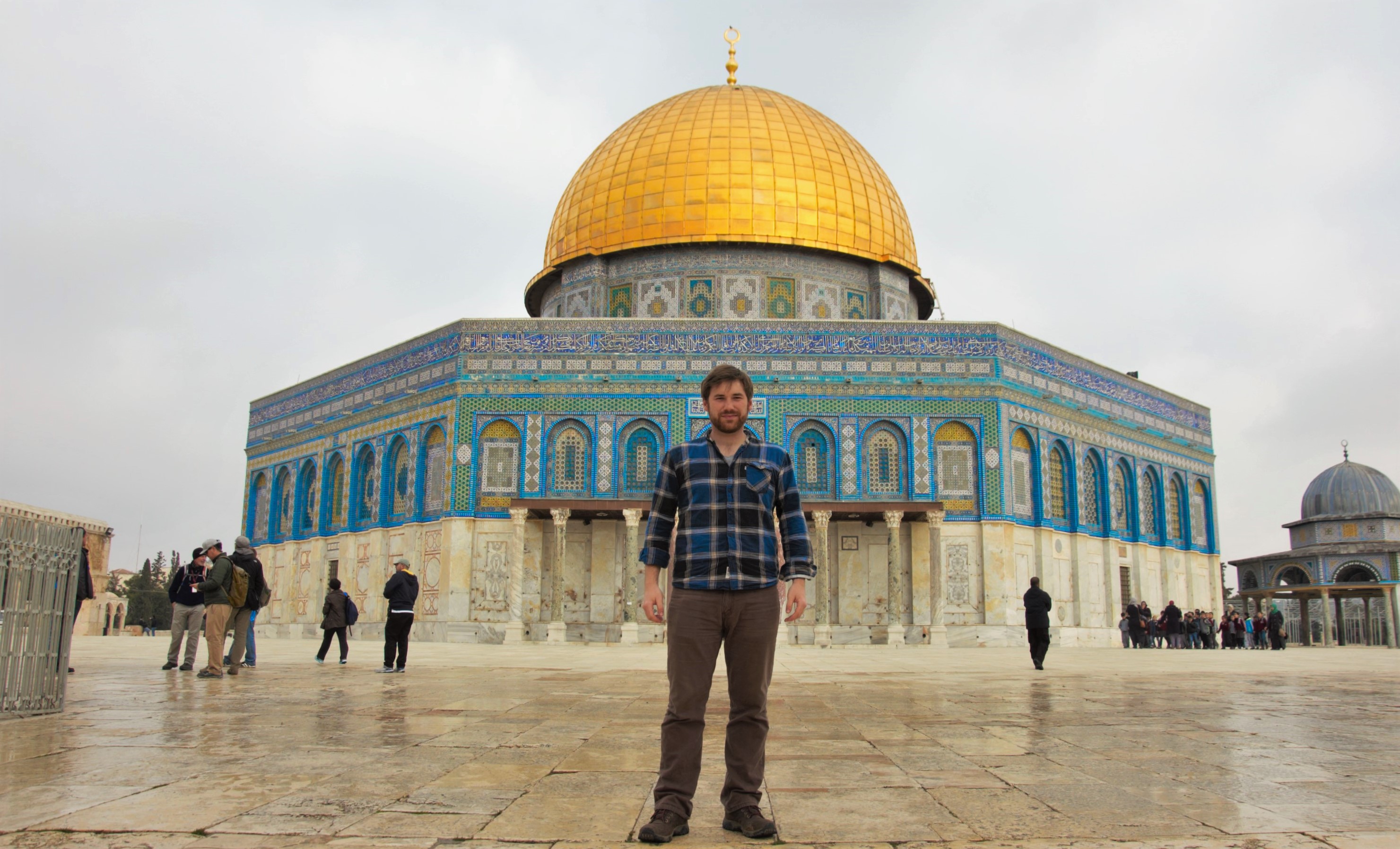
Preaching on this passage was a unique privilege for me, having recently returned from Israel. I walked these very steps that Jesus takes in our story. I prayed in the shade under the Olive Trees in the Garden of Gethsemane on the Mount of Olives. I walked down the Kidron Valley to the place where it’s actually quite possible Jesus was imprisoned overnight, beaten, and mocked. I walked through Old City Jerusalem to the fortress of Pilate. Our hotel was right outside the old city walls near the place of Crucifixion.

This passage therefore, especially in light of that trip, was so rich with meaning throughout. Nevertheless, the focus of my message was living in the darkness and tension between Good Friday and Easter.

Here’s the audio:

You can also download it here, or subscribe to our podcast. If reading is more your style, here (and below) is my manuscript for your perusal. Also, here is a picture of the cemetery I reference in the sermon:
Continue reading

My Sermon on Christ in the Darkness (John 1)


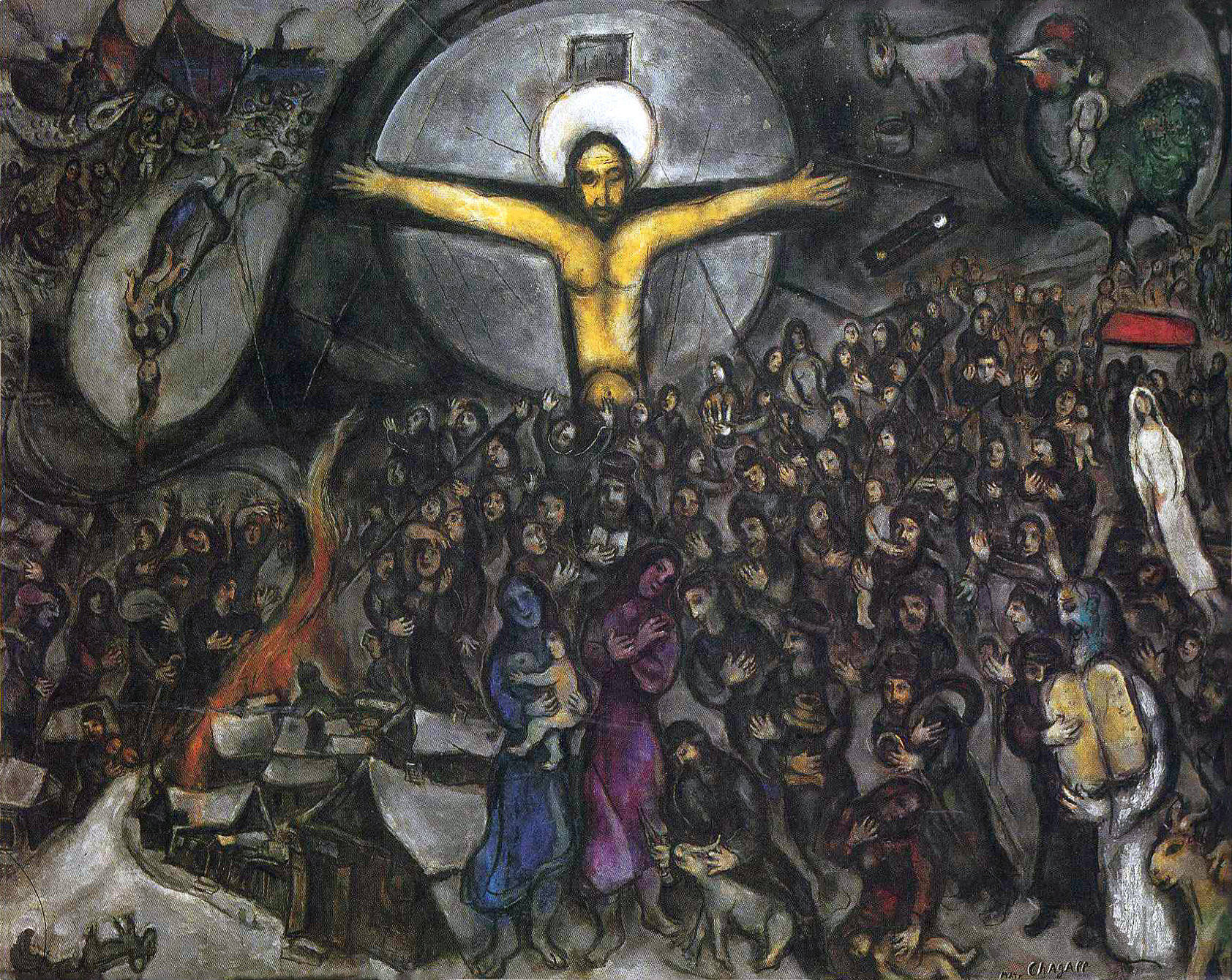
chagall-exodus

During the Advent season, I preached a sermon on John 1.1-5,10-18, the famous Logos. In the sermon, we talk about Jesus revealing himself in the midst of the darkness of this world and our hearts, and so encouraging us to press all the more deeply into darkness rather than running from it. Looking back on it, I think it’s a very “Lent-y” sermon and so I’d like to throw it up here this week during Holy Week. It was my first sermon I preached without a manuscript, so there’s no version to read (sorry). But here it is for listening:

You can also download it here, or subscribe to our podcast here.

[Image credit: “Exodus”, by Marc Chagall]

American Lent in the Season of Trump


One of the smartest and funniest women at my church, Alyssa, has this great blog you should all follow. In it, her observations on life, cities, and spirituality are whip smart and hilarious. Several weeks ago, she put up a post asking “Is Trump America’s Lent?” She writes:

For the purposes of this argument, let’s call Lent an annual wake-up call, a reminder that we aren’t as good as we think we are….Trump’s success so far is a wake-up call in itself, like a large-scale Lent: maybe we aren’t as good as we think we are. Apparently, as a country we’re actually more racist and fearful than we thought we were just a few months ago, when people laughed at the thought of him actually standing a chance. The land of the free might just be okay with building that wall. The home of the brave is actually pretty scared of Muslims.

This is incredibly insightful, and I think it turns our national “Trump-versation” to a helpful place in the Lent season. Rather than trying to understand “the Trump voter” on a micro-individual level–a level full of misunderstanding, prejudice, and judgmentalism on all sides–we might turn our gaze inward to our nation as a whole. Looking at the bigger movements and structures of our society, we can ask the hard questions that you can’t really ask when staring another individual in the face.

Continue reading

Good Friday Creation & Re-Thinking “The Fall”


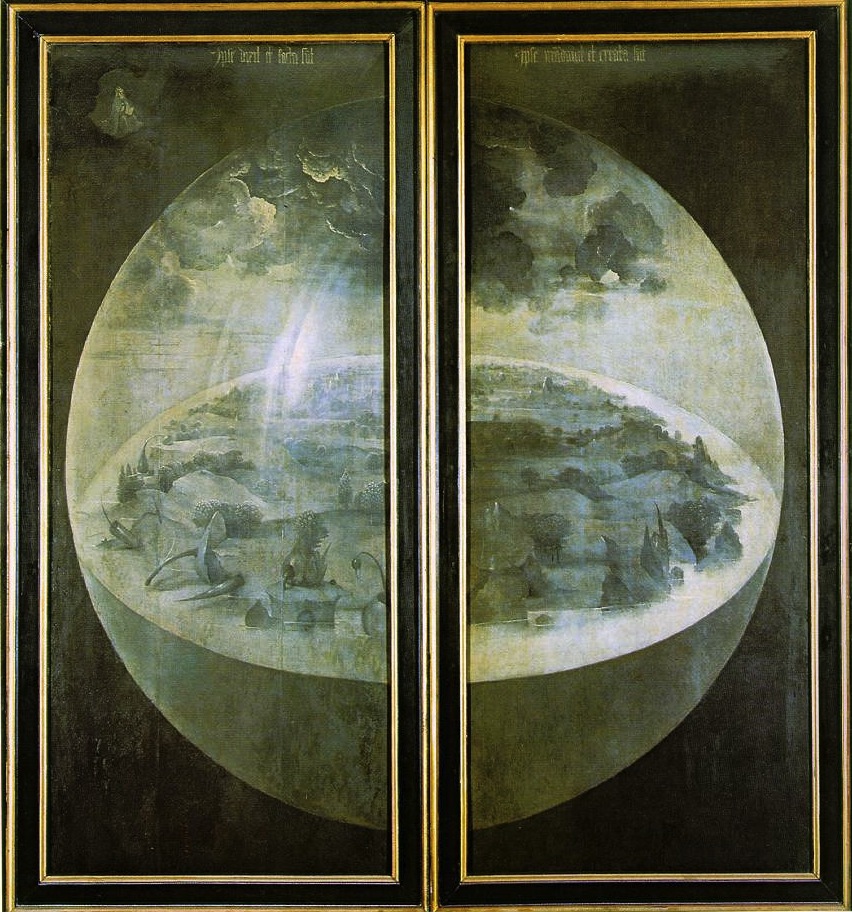
Bosch-Garden-Earthly-Delights-Outer-Wings-Creation-WorldEach year during Lent, I press all the more deeply into a motif that appears throughout the Bible: that in some mysterious way, the God of the Universe has had a “slain” and “suffering” aspect to his nature for all eternity–even before the world came into being.

When this world did come into being, the Bible says that it came to exist “through” this suffering and slain Jesus. Therefore the rhythms of Christ’s own nature and life are written into the very DNA of the world. All of our history is an echo of Jesus’ life, both from eternity past and while on earth.

I’ve written before about what this means for the world and what this means for us, but what might this mean for the entire history of God’s work in this world?
Continue reading

Lent & Ash Wednesday: A Collision of Life & Death


paul-ash-wednesday-2014

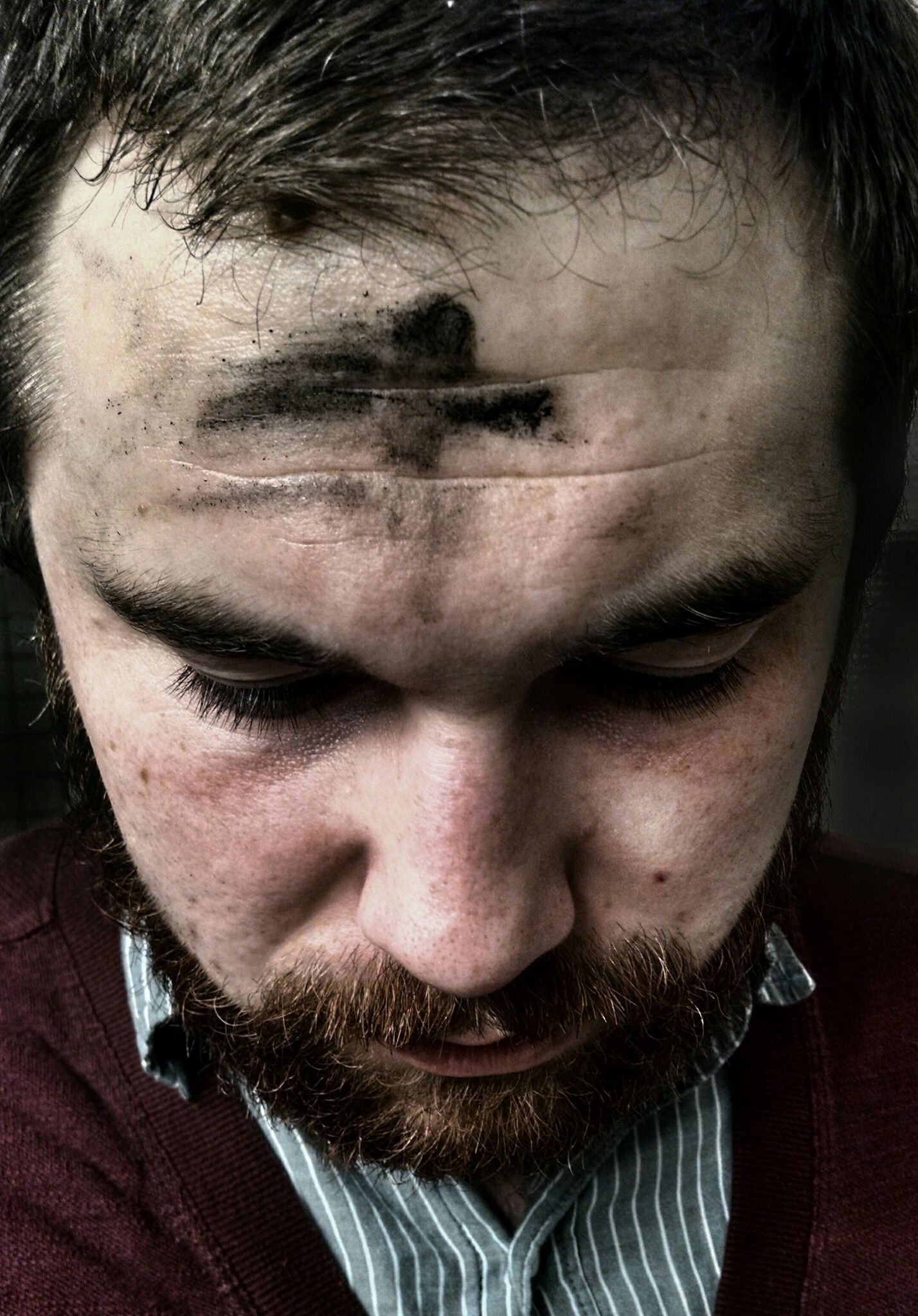
Ash Wednesday is the beginning of Lent, the time in which we turn the volume up on the dark whispers and hauntings in our souls that we spend the rest of the year trying to drown out. It is the season where we feel the gravity of our weakness and finitude. And Ash Wednesday particularly focuses on where we are most weak and most finite: our mortality.

Hundreds of millions (perhaps billions?) of people will gather today to take on one of the most packed symbols of the historic Christian faith: the placement of ashes in the shape of a cross on their forehead. We are called in the ashes to begin this process of mourning our slavery to Sin and Death. In the Ash Wednesday service, we hear the words, “remember from dust you came, and to dust you will return.” Ashes are a symbol of suffering, lament, tragedy, repentance, and mourning.
Continue reading

For Lent: Free Music, Readings, & Devotionals


chagall-exodus

I’ll be honest, one of the reasons why I love Lent and the Church Calendar is because it is a helpful corrective for my own personal lack of personal discipline. I’m not especially skilled at putting together my own structure, and so I really flourish when structure and pattern is placed on me from the outside.

This is especially true with spiritual practices. To engage with a Church season like Lent, I often need to give myself a blog series to keep me thinking on a theme for the season (see above, under “Lenten Posts“). I really do well with reading plans, prayerbooks, music albums, etc. If you find yourself in the same boat, here are some resources for this year’s Lent that some of you may find helpful.
Continue reading

Contemplative Thought for the Day (from A.W. Tozer)


We have but to get quiet, recollect our thoughts, wait for the mild excitement within us to subside, and then listen closely for the faint cry of desire. Ask your heart, “What would you rather have than anything else in the world?” Reject the conventional answer. Insist on the true one, and when you have heard it you will know the kind of person you are.

–AW Tozer (h/t Dr. Chuck DeGroat)