Lent & Ash Wednesday: A Collision of Life & Death


paul-ash-wednesday-2014

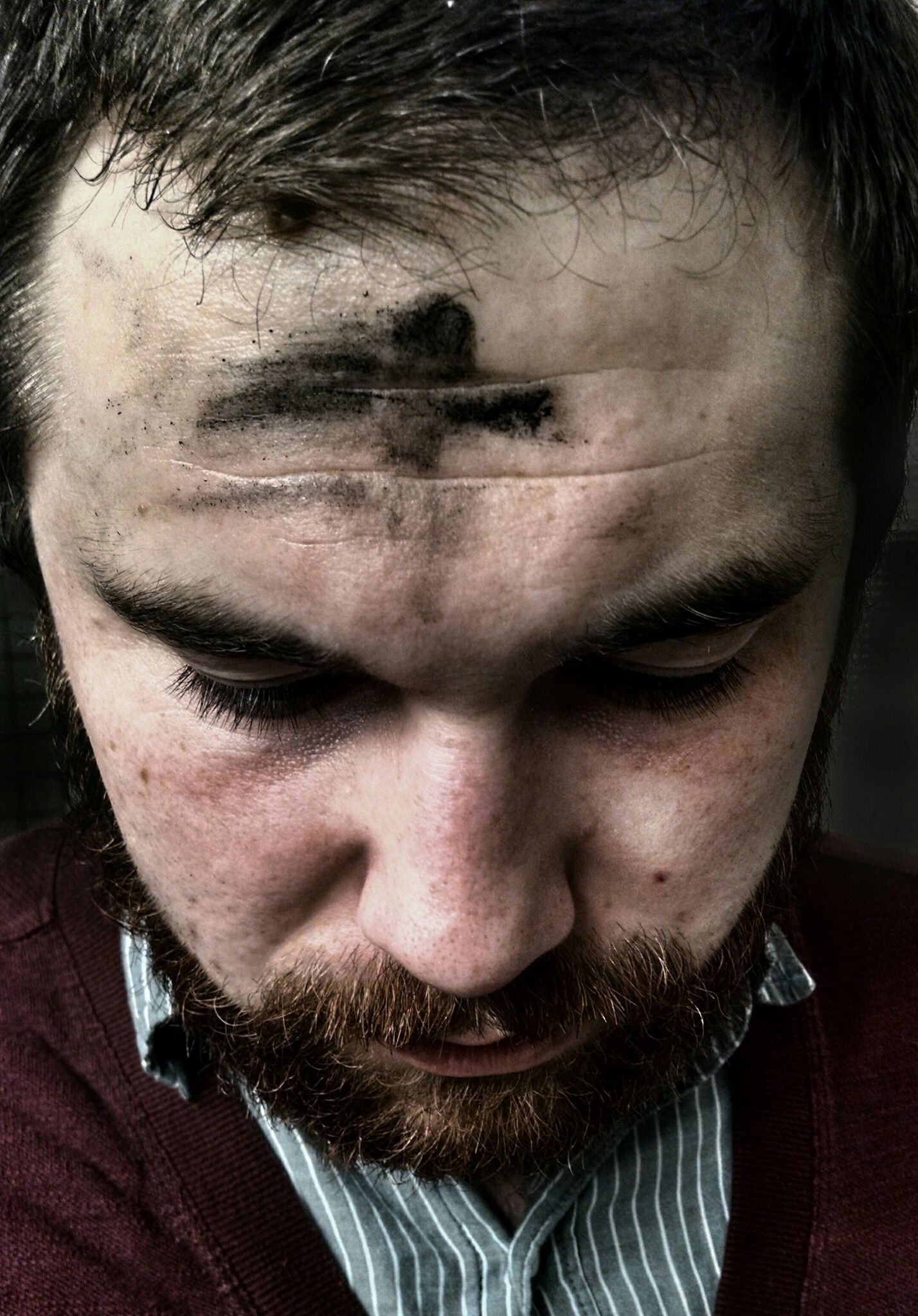
Ash Wednesday is the beginning of Lent, the time in which we turn the volume up on the dark whispers and hauntings in our souls that we spend the rest of the year trying to drown out. It is the season where we feel the gravity of our weakness and finitude. And Ash Wednesday particularly focuses on where we are most weak and most finite: our mortality.

Hundreds of millions (perhaps billions?) of people will gather today to take on one of the most packed symbols of the historic Christian faith: the placement of ashes in the shape of a cross on their forehead. We are called in the ashes to begin this process of mourning our slavery to Sin and Death. In the Ash Wednesday service, we hear the words, “remember from dust you came, and to dust you will return.” Ashes are a symbol of suffering, lament, tragedy, repentance, and mourning.
Continue reading

For Lent: Free Music, Readings, & Devotionals


chagall-exodus

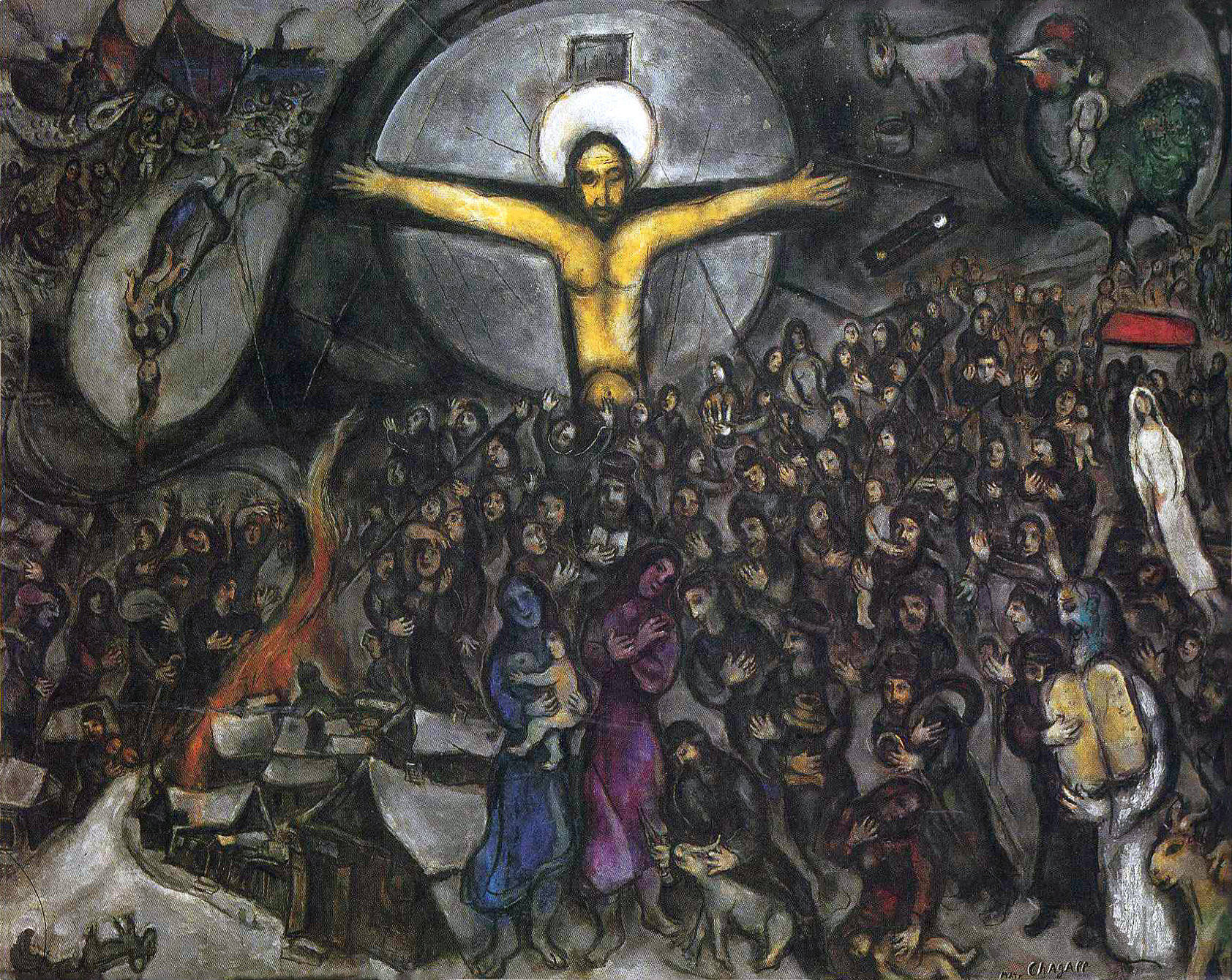
I’ll be honest, one of the reasons why I love Lent and the Church Calendar is because it is a helpful corrective for my own personal lack of personal discipline. I’m not especially skilled at putting together my own structure, and so I really flourish when structure and pattern is placed on me from the outside.

This is especially true with spiritual practices. To engage with a Church season like Lent, I often need to give myself a blog series to keep me thinking on a theme for the season (see above, under “Lenten Posts“). I really do well with reading plans, prayerbooks, music albums, etc. If you find yourself in the same boat, here are some resources for this year’s Lent that some of you may find helpful.
Continue reading

Contemplative Thought for the Day (from A.W. Tozer)


We have but to get quiet, recollect our thoughts, wait for the mild excitement within us to subside, and then listen closely for the faint cry of desire. Ask your heart, “What would you rather have than anything else in the world?” Reject the conventional answer. Insist on the true one, and when you have heard it you will know the kind of person you are.

–AW Tozer (h/t Dr. Chuck DeGroat)

Terror, Rage, Hope & Christmas Lights


Flickr-Advent-Candles-rabasz

This Advent, we’re meditating on the idea of Hope by looking at quotes from Christians and talking about what they might say about our Advent Hope.

“It is precisely because the Christian hopes for the ultimate and definitive, that she also hopes for the temporal and provisional. Precisely because she hopes with joy for the dawn of the great light, that she hopes with provisional joy for the little lights, which may come and go, but which will not come and go in vain.

These little lights act as temporary illuminations that can help the Christian to look and move more properly towards that which they can only point to, but which in their proper time and place can in fact actually represent to us!

Because the Christian hopes for the Last Day, for the eternal year, he hopes for the next day and the new year, from which, whatever they may bring, he can always expect at least new indications of the coming of Jesus Christ.”

–Karl Barth, Church DogmaticsIV.3.2, p.938 (edited for clarity)

Read those words again. Slowly. We need these words, especially this year. As predators of consumerism, terrorism, pseudo-fascism, jingoism, escapism, and liberal idealism lie in wait to consume our souls, we need a light in the darkness. We need something to hold on to.

Continue reading

Hope in Advent’s Darkness


flinks-angels-anouncing-the-birth-of-christ-to-the-shepherds

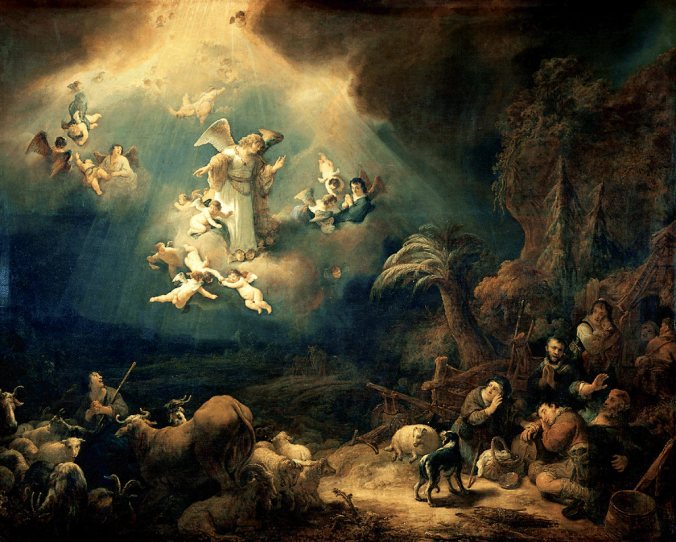
This Advent, we’ll be meditating on the idea of Hope. It’s a trite word we throw around casually and misunderstand (and underestimate) profoundly. Today’s post is a meditation on Hope I wrote for the Advent Prayerbook my church put together. Get your own copy and engage all the more deeply in this season. 

“Now hope that is seen is not hope. For who hopes for what is seen?”
–The Apostle Paul (Romans 8.24)

Jesus was likely born in Spring, not Winter. And yet, there seems to be such a wisdom and appropriateness to situating this Advent time of year during these Solstice days, when darkness envelopes all and the very air we breathe bites us back. Here, beauty is not seen in life, colors, and light; but in death, darkness, and night. Continue reading

Advent and… (the series)


advent-nativity-icon

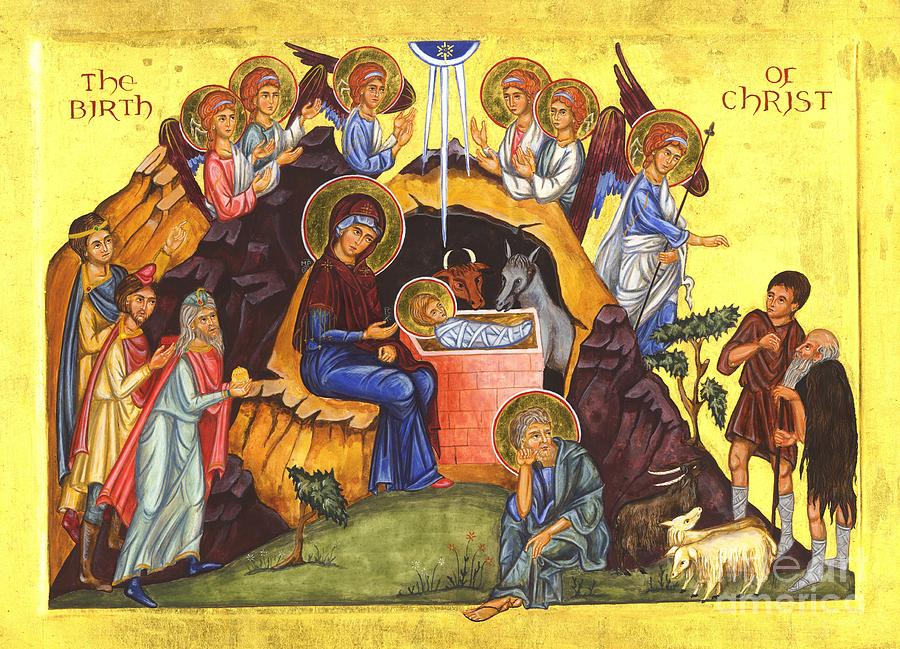
This is the dedicated post page for the Advent series “Advent and…”. In it, we looked at the various ways Advent connects to seemingly unrelated parts of our life and existence.

Welcome to Advent, 2012.
This was the series introduction. I looked at how Advent speaks to our whole selves, including a whole host of “un-Christmas-y” kinds of things.

Advent & Sex: we are holy ground
When you think of Christmas time, you don’t often think about sex. This post talks about the implication of Christ’s arrival for our sex lives.

Advent & Sex-lessness: here’s to singleness & celibacy!
The Advent story is a notably sex-less affair. What this means for us is huge. This was by far the most widely read post of this series, and in the top five most widely read posts in this blog’s history.  Continue reading

A Male Feminist Wrestles with the Bible (come watch!)


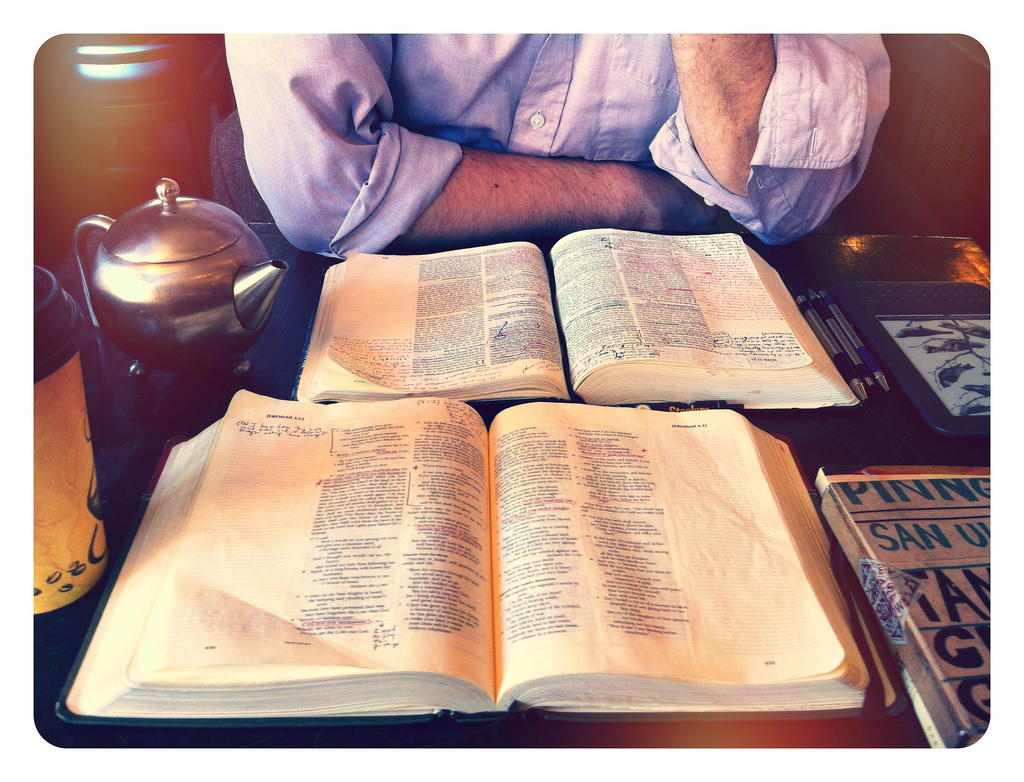
schrott-bibles-paul-coffee

This post is part of our on-going series about Male Feminist Theology.

When we last met, I tried to lay out a theology of the Bible that makes sense when we take into account the experiences of women–an experience that is marginalized, embodied, and connected to the earth itself. When you do that, you realize that a top-down understanding of the Bible is inadequate. The way God reveals himself is primarily from the bottom-up.  And that is how we should see the Bible–not as a divine dispatch from the heavens, but as an emerging reality out of the embodied, painful reality of human existence.

My argument was that the top-down idea that God spoke from on high and people wrote down his words in the Bible, is actually a patriarchal view that concentrates power and knowledge at the top and restricts it only to those with the privilege of being “in the know”.

Whether you agree with all that or not, there’s actually a bigger elephant in the room than our theological ideas about the Bible: the actual contents of the Bible itself. If you want to be sensitive to the realities of women in the world, what should you do when you approach passages (both Old Testament and New!) that disregard, demean, and disempower women?
Continue reading

Psalm 23: My Translation


Scotland-Arbrouth-grass-header

For my Hebrew class last year, I was asked to write up a super literal translation of Psalm 23 (below), and then build off of that to create a much more dynamic, creative, contemporary translation. This was the result.

psalm23

A Psalm in the spirit of David.

The LORD is tending to me
I want for nothing
He has me lie down in pastures of fresh, new grass
Beside the waters of rest
He gently guides me
He brings the life back to my soul
He leads me into the grooves of life well-lived because of who he is.

And yet—
Though I truly die in the depth of darkness,
there is no evil that I fear,

You are truly there with me
Your staff and your support: they comfort me
You host before my face a table opposite all that stands against me.
You clean me with oil over top of my head.

Overflowing abundance is my cup.

Surely, goodness and steadfast faithfulness will chase me down
for the whole of my life’s days

This will be my story:
I will return into the dwelling place of the Lord and stay—
for lifetimes upon lifetimes.

______________________________________

Continue reading

A Systematic Male Feminist Theology: Table of Contents


IcyAndSot-Freedom

This is the dedicated post page for the Male Feminist Theology Series on this blog.

Male Feminist Theology: a Vision; a Proposal

This series is based on a white paper I wrote. It is more technical than these blog posts are and cites sources without giving introduction or explanation. The blog posts break it up into bite-sized chunks, and are heavily edited to (hopefully) make them more accessible to the casual reader. The full paper is posted below.

Background: Fear & Loathing
The How (and Why) of Christian Male Feminism

This series has been a long time in development and preparation. This was a post that summarizes the whole path leading to thought and process behind it.

God & Her Glory: A Table of Contents

Before we began, I felt I needed to explain why I, at times, would choose to use feminine pronouns for God. This caused such an uproar in my social media sites, it led to several posts in which I went more in-depth about this.

On Theology: Choose Your Own (Feminist) Adventure

This whole series employed a very particular perspective on theology, in which we can freely choose what true things about God to emphasize depending on our context and concern in the moment.

Male Feminist Theology & Sinning Against Women

A reflection on the deep sinfulness towards women I’ve experienced in my own heart, and how the Feminine aspect of the Divine has led to greater life and healing in this.


I. Passion: A Theology of God, Creation, & Humanity
The Suffering & Reconciling Feminist God

This whole Male Feminist Theology begins with laying out a doctrine of God that would motivate us to solidarity and action with women. This opening post lays out a vision in which God’s own nature is Suffering-Unto-Shalom/Goodness/Life

The Dying & Rising Christ

This Suffering-Unto-Life Nature of God extends from the Godhead and is exhibited in each of its Persons. In this piece, we talk about the centrality of Jesus, the Incarnate God, as the center of our theology, and what he can teach us about God.

The Grieving & Comforting Holy Spirit

In this post, we talk about how the Holy Spirit–within Herself–also suffers-unto-life, moving into the brokenness and injustice of the nitty-gritty of the world, to bring healing, life, and wholeness.

THESE BROKEN & GOD-BREATHED SCRIPTURES

Here we articulate a theology of Scripture, and how revelation flows from God the Spirit and not God the Father. We also deconstruct how this acts to liberate women in Christian community.

A Male Feminist Wrestles with the Bible [PART 1] [PART 2]

In these posts, I ask hard questions about how we deal with the patriarchal texts of Scripture. Do we just say the authors were “wrong”, or are we wrong in how we’re reading these texts?

A Groaning & New creation

Coming up next!
Continue reading

Does God Really Love Cities More?


philly-coffee-reflection-buildingThe seminary program I’m in is one focused on urban centers, and to that end we end up reading writings by a crew of pastors and theologians and who want to give a theological emphasis to cities. I’m currently in a course in which we’re reading people like Tim Keller and Harvie Conn.

I bought in to all of this for a long time, but now I’m having some reservations (some of which I’ve mentioned before), which I want to offer up to you all and get your thoughts.

Urban “versus” Rural?

Ever since moving into cities, I’ve fallen in love with them. After hearing Tim Keller talk about them for the first time while in college, I totally bought into the centrality of cities into God’s ongoing mission.

And then….I met my girlfriend who grew up Mennonite on a 300-acre dairy farm in Western Pennsylvania. And it threw all my thoughts on this issue upside down.
Continue reading

The Weight of Gratitude: A Sermon of Mine


job-silohetteI’m going on three decades of attending church services. I’ve heard a lot of sermons on gratitude and almost all of them are the same.
They spend much of their time trying to convince us Americans that we actually are far more wealthy than we ever thought. We have more stuff than most any other people in human history, and so we need to stop being so consumeristic and unsatisfied and just learn to be grateful and give thanks for what we have—because we have a lot. And us Christians have even more reason to be thankful, as we have the greatest gift of all: Jesus!

But all this does is lead us towards some brief, unsustainable, inch-deep emotion of happiness which we then call “gratefulness” and then walk out the door thinking we’ve gotten our annual “gratitude shot”—all while being able to ignore the violence raging in the world and in our souls.

So where is gratitude when we face violence and doubt, or when we hit the muck and mire of life, the pits and poverties of existence, the pain and injustice? Does gratitude have nothing to say?

Well that’s what my most recent sermon discusses (I’ve also written about this before). The sermon text is Psalm 40,  Let me know what you think. Here’s the audio:

You can also download it here, or subscribe to our podcast. If reading is more your style, here is my manuscript for your perusal. Continue reading

John Calvin on Stupid Eucharist Theology (Happy Corpus Christi)


communionbreadwine-2

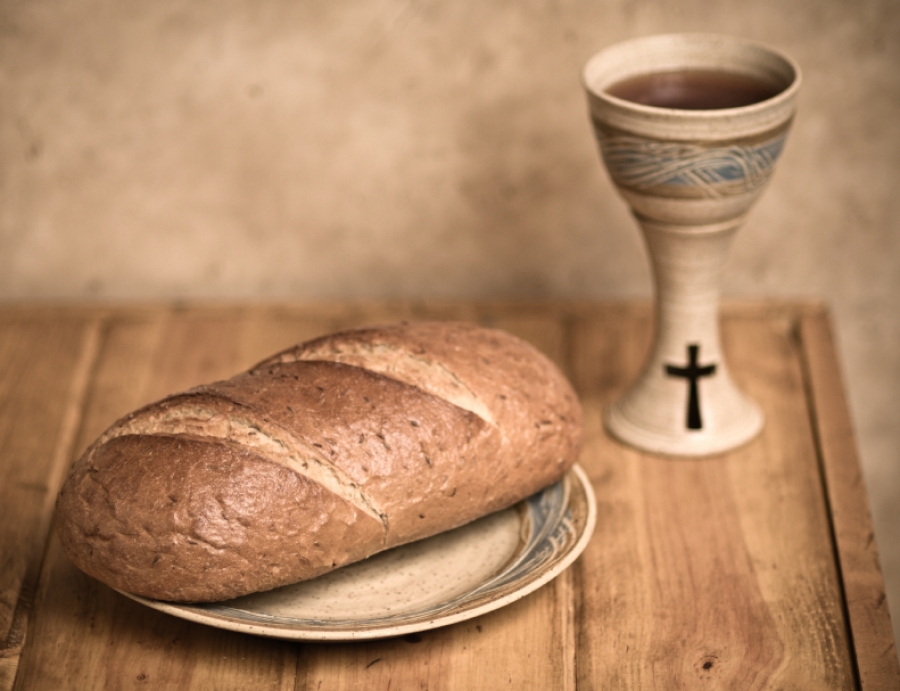
Yesterday was the Christian Church Holiday of Corpus Christi, where we celebrate that Jesus actually meets us in the Bread and Wine of Communion. It’s not merely a symbol to make us think of certain doctrinal ideas, but there are very real spiritual things happening in those elements. I’ve written elsewhere about this in detail.

Today, however, I want to offer you a funny little rant John Calvin goes on in his Institutes of the Christian Religion. In it, he is responding to those that accused the Reformed tradition of making the Eucharist way too heady and rationalistic of an idea, sapping all beauty and mystery out of it. Here was Calvin’s response, encouraging us all to embrace the beauty and awe of Communion: Continue reading

What is a Sacrament? (Happy Corpus Christi!)


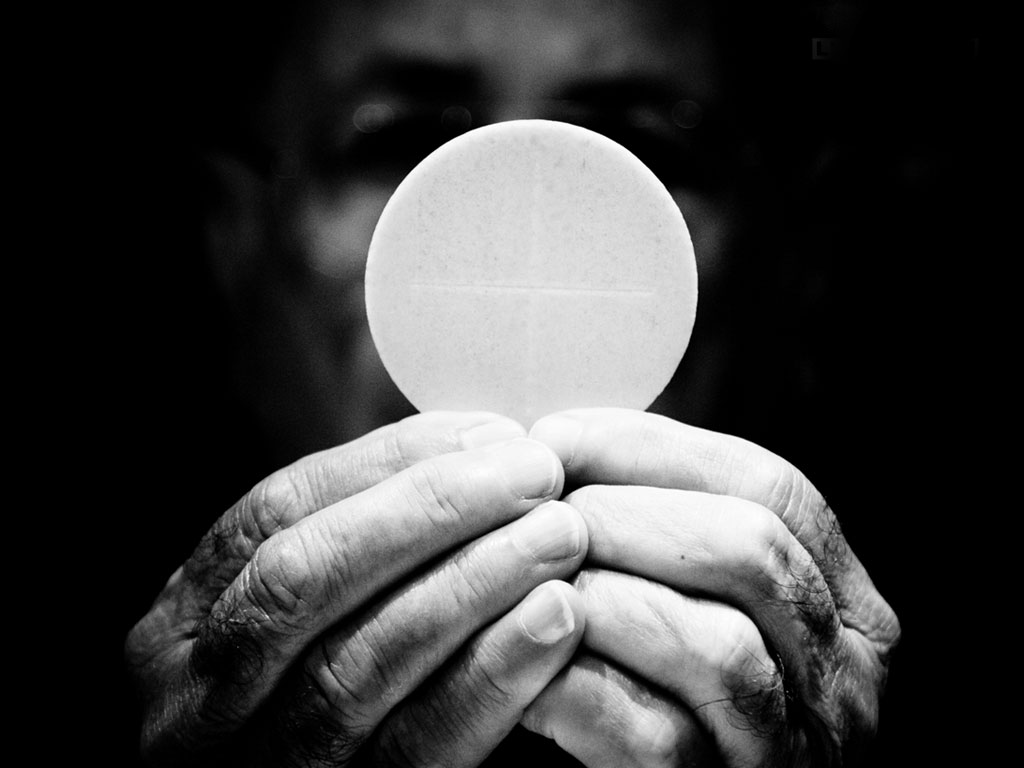
eucharist-bw-wafer

Today is the Church Holy Day called Corpus Christi (Wiki), Latin for “the Body of Christ”, in which the Church takes a few moments to reflect and meditate upon the gift that is the Lord’s Supper (or Eucharist, or Communion). In honor of this, I thought I’d share a recent essay I wrote articulating what I believe is happening in the Sacraments. Let me know what you think!

A sacrament is any material thing that God uses to communicate himself within Creation. Yes, this is quite the broad definition for “sacrament” (little “s”). Every single way that God has ever revealed himself in this world has always been in a mediated sense. God has never been revealed in his full “Godness”. It is always through a material means, and mostly clearly in Jesus Christ.

In this sense, I can accept things like marriage and confirmation as sacraments; but I can also see a good beer, TV show, conversation, or even suffering (like the Cross) as a sacrament. Any material means by which God communicates any part of who he is a sacrament.  It has also been quite freeing for me to see all of life as inherently sacramental.

In this sense, sacramentalism becomes a primary filter through which to understand and describe reality as it is and the nature of the Creator/Creation distinction. This collapses the old unhelpfully-gnostic “transcendence/imminence” dichotomies.
Continue reading

Male Feminist Theology: a Vision; a Proposal


Adolph Gottlieb-rolling

Starting next week, I will be doing a blog series that walks through a framework for what I’m calling “Male Feminist Theology”. This series is based on a paper I wrote a few months ago. The paper itself is more technical than these blog posts will be and cites sources without giving any introduction or explanation. The blog posts will break it up into bite-sized chunks, and I will heavily edit them to (hopefully) make them more accessible to the casual reader.

But, if you don’t care about all the context and fuller explanation, and just want to jump to the end, I wanted to give you all a chance to read it in full if you wish. I’ve embedded it below, but you can also find it on Scribd and Academia.edu. Let me know what you think! Continue reading