
Personal
I Am a Hypocrite

“Woe to you, scribes and Pharisees, hypocrites! For you are like whitewashed tombs, which on the outside look beautiful, but inside they are full of the bones of the dead and of all kinds of filth. So you also on the outside look righteous to others, but inside you are full of hypocrisy and lawlessness.”
~ Matthew 23.27-28
I Am Terrified & Doubtful of What Happens When I Die
Since the children share flesh and blood, he himself likewise shared the same things, so that through death he might destroy the one who has the power of death, that is, the devil, and free those who all their lives were held in slavery by the fear of death…. Because he himself was tested by what he suffered, he is able to help those who are being tested.
~ Hebrews 2.14-18
I Am an Addict

And after you have suffered for a little while, the God of all grace, who has called you to his eternal glory in Christ, will himself restore, support, strengthen, and establish you. To him be the power forever and ever. Amen.
~1 Peter 5.10-11
I Am Dust
As a father has compassion for his children, so the Lord has compassion for those who fear him. For he knows how we were made; he remembers that we are dust.
~ Psalm 103.13-14
Karl Barth: Our Freedom, Home, & God’s Directing [QUOTES]

When looking through old seminary research, I ran across some quotes I pulled out from Karl Barth, my favorite theologian (hands down), and got to soak in the beauty of his words. I wanted to share them. Now, for people that don’t read academic theology, this is it. It’s circular, it repeats itself, and it’s unnecessarily complicated and unclear. I know. I get that. But I promise, if you can spend a few minutes, quiet yourself, and focus, the pay-off is huge. This guy stands as a tower over all of modern theology and deserves more mainstream attention than he gets. I’ve done slight edits to some of the wording and paragraph breaks for clarity. Enjoy.
* * * * * * * *
God’s direction is an all-powerful decision, His own divine act of lordship. By this means, too, God vindicates His honor and maintains His glory. By this means, too, He exercises authority….
God’s direction is the directing of humans into the freedom of His children. It is this which has taken place in Jesus Christ no less uniquely than the once-for-all fulfillment of the divine sentence on all humanity. In suffering in our stead the death of the old nature, and bringing in by His resurrection the life of the new, He has made room for the being of all humanity to be at peace with God.
On the basis of what we are and is not by virtue of the divine sentence passed and revealed in Jesus Christ… we have no other place but this—the kingdom in which God can be at peace with us and us at peace with God. Jesus Christ…is the all-powerful direction of God to us to occupy this place, to live in this kingdom. If we are told in Him who we are and are not, we are also told in Him where we belong, where we have to be and live.
Male Feminist Theology & Sinning Against Women
 This is an incredibly hard post to write, but an important one, I think.
A couple of years ago, I started (and never really finished–but I will!) a blog series which outlined a systematic way that as a male, I can incorporate feminist perspectives on theology into the way I think about God and life.
I call it “Male Feminist Theology” because there’s something about truly being a “feminist” that requires having embodied the experience of being a woman–which I have not. (Similarly, I could not call myself a “Black Activist” with any kind of integrity.)
I started this series with a bunch of posts about using feminine language for God. There was a lot of blowback from that, most of it entirely unexpected. I still hold to that belief that God is gender–ful (not gender-less) and so the full range of human language, both masculine and feminine, ought to be applied to God.
And yet, in my actual-lived out spiritual life, this hasn’t seeped into my engagement with God as much as one would expect, considering how strongly I intellectually believe these things. Maybe an occasional substitute of “Mother” for “Father” in the Lord’s prayer or a Creed recitation, but I do it quietly under my breath. Only occasionally do I find myself remembering to pray to God in such terms. My unconscious reflexive depiction of God in my imagination is still fundamentally male. I have to actually exert energy and thought to try and conceive of something different.
Continue reading
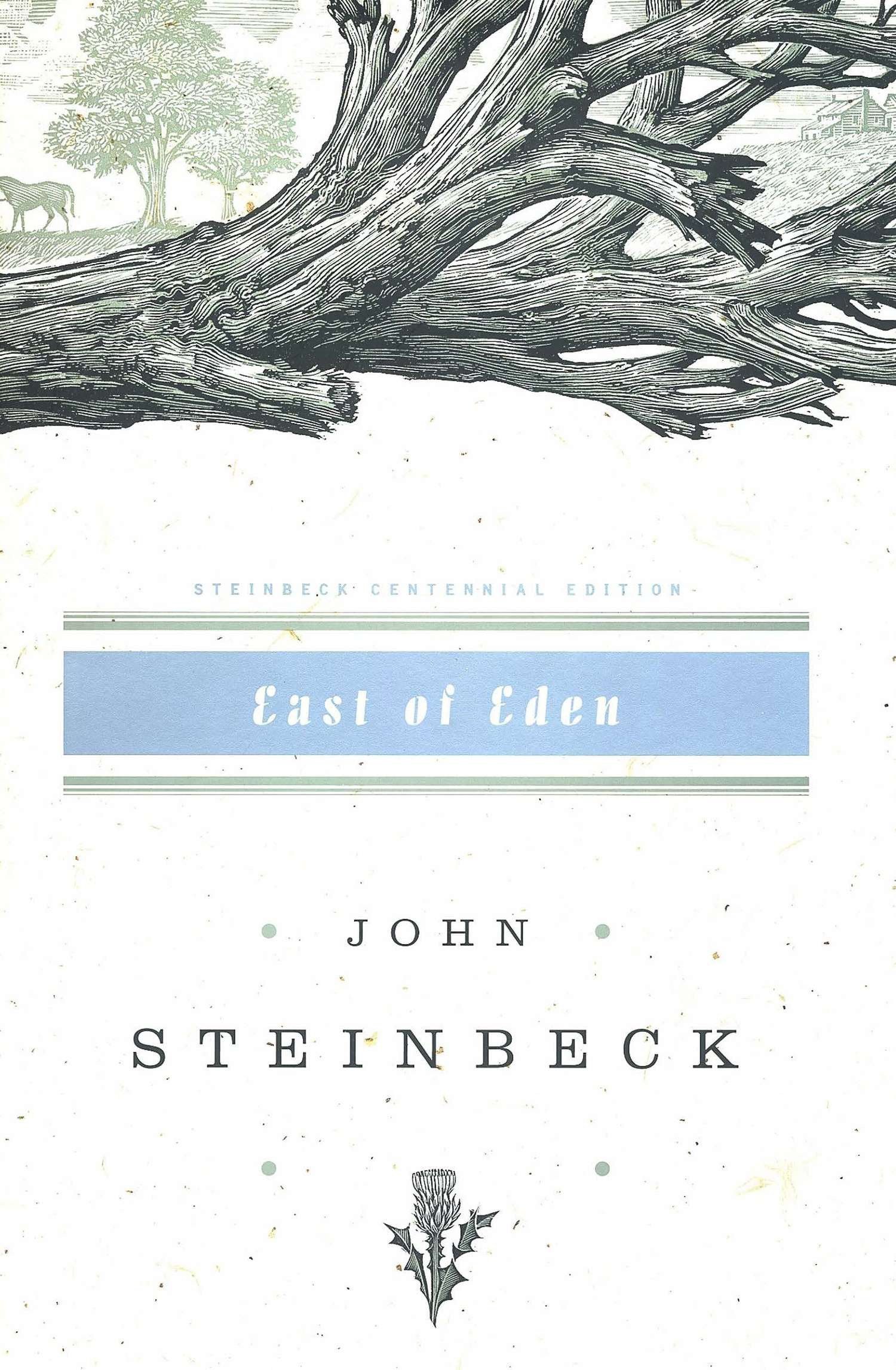
Because We’re Not Good: “East of Eden”, a Book Review
 We all have those pieces of art–be they movies, books, music, what have you–that upon first exposure we fall in love. We turn the last page or exit the theater or concert hall certain that this will surely be added to our list of favorites and long-held companions. Yet, how many times do we say this and a year or two down the road someone mentions that very piece of art and we find ourselves thinking, “oh yeah, I did read that, didn’t I?” or “I had forgotten how much I loved that album!”
So often we get swept away in the immediate experience of something skipping upon the waters of our soul, leaving little ripples and echoes dancing in its wake. But these dimples and dapples merely play on the surface for a time, returning once more to their source, leaving the waters ultimately undisturbed–the liquid plane unbroken; the deepest depths untouched.
There are other times, however, that we encounter a piece of art–or rather, it encounters us–and we are changed. It transcends mere rankings of “favorites” and “Top 10s” and weaves itself into our fibers. We do not critique and assess it, so much as it sizes and weighs us. The surface tension is broken and we are plunged beneath, staring humanity’s unvarnished truths in the face. And in so doing our own humanity is enlarged, a spaciousness expands in our souls, and we feel more human–even as our foundations are shaken.
John Steinbeck’s 1952 magnum opus, East of Eden, is just this kind of piece of art. It’s the kind of book people say they will read “someday”, only to read it and wish “someday” had come a lot sooner. So if you haven’t read it. Do so. Start today.
Deep Sin & The Christian Soul
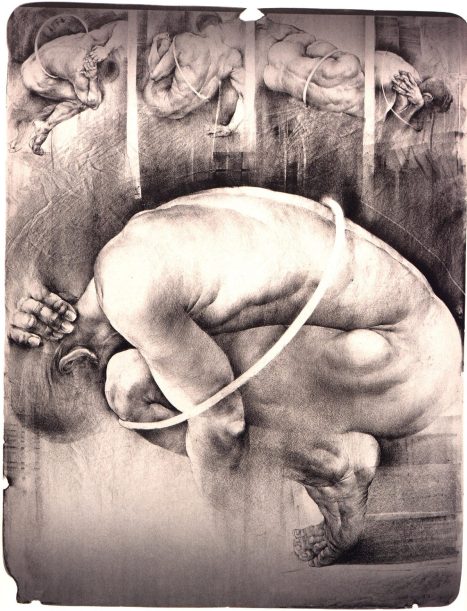
Now the works of the flesh are obvious: fornication, impurity, licentiousness, idolatry, sorcery, enmities, strife, jealousy, anger, quarrels, dissensions, factions, envy, drunkenness, carousing, and things like these. I am warning you, as I warned you before: those who do such things will not inherit the kingdom of God. (Gal. 5.19-21)
As I recently finished a Church Bible Study on the book of Galatians, those verses inevitably caused some discussion.
I mean, we’ve all to some degree engaged in most–if not all–of the items on that list at some point in our lives, right? Even if you’re a Christian.
So what does it mean to say “those who do such things will not inherit the kingdom of God”?
As we discussed it, we arrived at the answer many of us come to if you grew up in the Church: these scary statements only apply to those individuals who have these “works of the flesh” as a pattern of their life to such a degree one might be able to say that the sins have “dominion” over them. That answers it, right?
Not really. Because there are Christians who find themselves in seasons–days, weeks, months, decades, even–where these sins are their practice over time, seasons where these sins have a very real sense of dominion over them and their lives.
And, this isn’t theoretical or theological for me. To be honest, I myself am coming out just such a time.
. . . . .
I wrote the above words a couple of weeks ago. Since then, I’ve only sunk deeper into the bewilderment of this season I’m coming out of. How does a Christian understand a period of time in which they’re given over so deeply into self-absorption, sin, and hurting of others? I’ve sat on this question, mulling it over, letting it ruminate within me to see what fruit it bore. I’ve wanted to figure out a nice, tidy answer to this post–for the sake of both others and myself.
And alas, I have been found wanting.
Continue reading
Sometimes, Mercy is Sweeter Than Grace
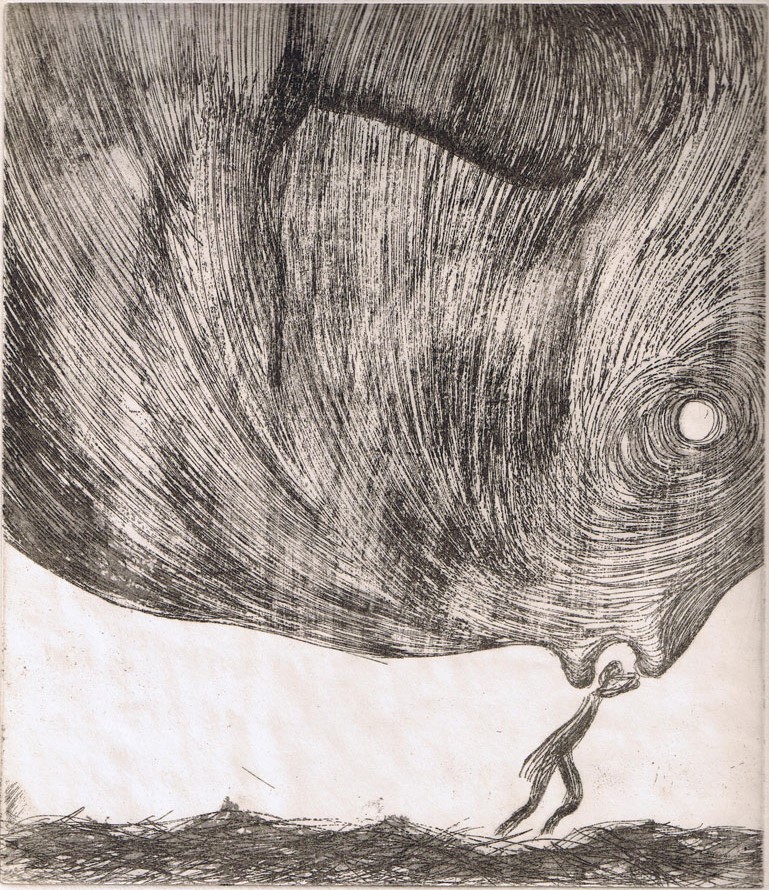 I grew up in a pretty stereotypical Evangelical setting, which led to a pretty stereotypical back-and-forth between guilt and self-righteousness. That is, until I really heard the Gospel of radical Grace.
Many of us have this same story, where it has been so healing to hear that how God relates to us is not, in fact, based on our performance. Instead, everything necessary for God to be pleased with us has been accomplished on our behalf by his Son.
In response to this, we fall in love with God’s Grace. We pray for it, long for it, and cry for it. We read books about it, write about it, and talk about it. We try and speak it into others’ lives while trying to figure out why we don’t apply it to our own. We joyfully build our relationship with God on the glorious foundation of His Grace. It is fundamental, primary, and essential.
In short: we love Grace.
Imagine my surprise, then, as I fell in love with liturgy and ancient forms of worship, to notice the utter lack of “grace” from the prayers and worship of the earliest saints. Continue reading
Philly: Join Me for an In-Depth Galatians Bible Study
 Friends in the Philly area: starting next Tuesday I will be leading a six-week Bible Study on the Epistle to the Galatians.
It’ll be on six consecutive Tuesdays at 7pm, starting next week, July 11th. You can sign up for it and the resources here.
I’m really excited about this. Each evening will be split into two parts. In the first, we will read through the chapter and study it using pre-modern, non-scholarly methods. We will sit with it and see what it might say to us if we had no other information and resources in front of us other than the text itself–hopefully, lessons we can bring to any passage of Scripture. We will try out methods that appeal to both the more “feely” types out there, as well as the more analytical ones. We’ll also look at how some ancient Christians experienced that text.
The second half of each evening will be mainly me leading a talk and discussion around historical, scholarly, and theological issues that come up within the text. We’ll talk about various scholarly views on different aspects of the text and how we might navigate them and incorporate them into our own study. (I may also put some of this material on this blog.)
Lastly, I also want to encourage us to do a little Scripture memorization. For this first week, I’m going to encourage everyone to memorize some of these opening lines from the first chapter:
Grace to you and peace from God our Father and the Lord Jesus Christ, who gave himself for our sins to set us free from the present evil age, according to the will of our God and Father, to whom be the glory forever and ever. Amen. (1.3-5)
So if you’re in Philly and are interested, sign up!–even if you’re not a part of my church, feel free to join us! See you then!

Enjoy the Post? Leave a tip with Square Cash!
Philly Fireworks Fail
I know you’re jealous of our amazing view for the Philly 4th of July Fireworks.

Womp womp.
Continue reading
“The First Christian Sermon” [a sermon, ironically]
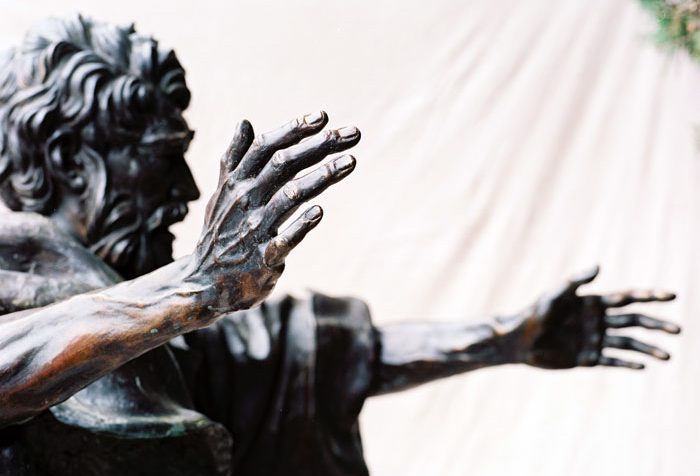
Well, I’m finally coming off a whirlwind month of preaching three out of four weeks while our lead pastor is on vacation…and while I keep doing my full-time day job. So now, hopefully I’ll be able to post more here again. I do want to share with you these sermons though.
This summer, my church is going through different key texts in the book of Acts, chronicling the opening years of the Christian movement in the world. In the first of these sermons I’ve done during the past month, I got to preach on the Christian holiday of Trinity Sunday and my text was the very first Christian sermon ever preached–Peter’s Pentecost message. I tried to weave these together best I could.
The text is Acts 2.22-39, and here’s the sermon audio. Feel free to send me any thoughts, questions or concerns:
You can also download it here, or subscribe to our podcast. If reading is more your style, here are my notes for your perusal. Continue reading
Falling Off the Face of the World
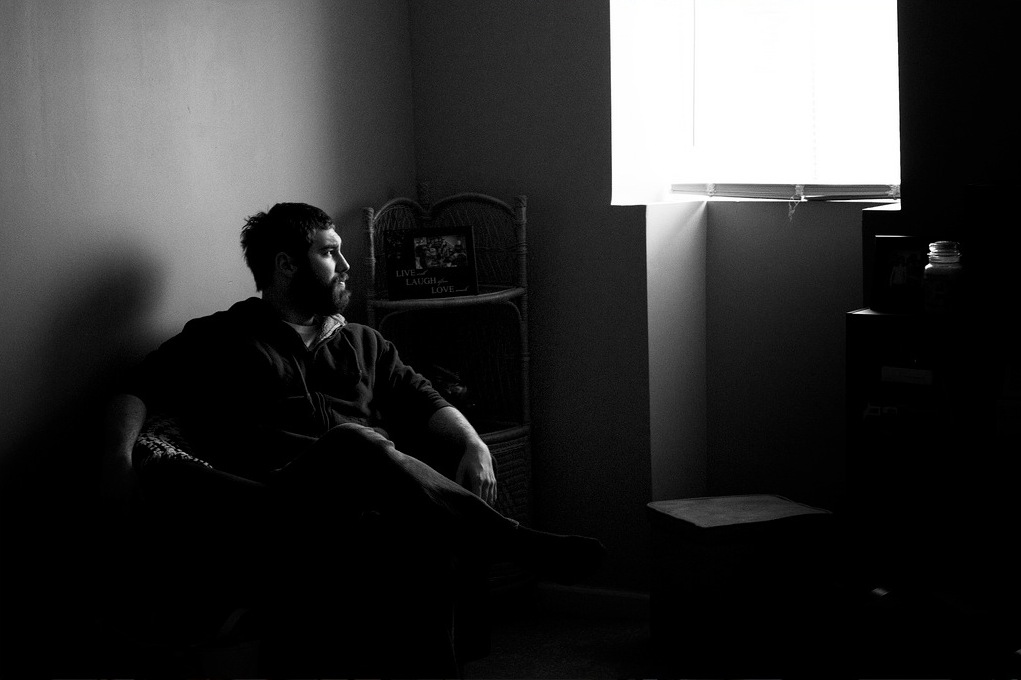
I really debated on writing this post. Those most intimate of place between my soul and my Creator are too often converted in my mind into sermon, blog, or conversational thoughts. I tend to be quite promiscuous with the details of my relating to God.
Yes, for many, it is helpful, valuable, and “authentic” to be let in to the inner sanctum of one’s spiritual processing. But it comes at great cost to my own vibrancy. I recall a critique I heard once of the great mystic monk Thomas Merton that he “never had an unpublished thought or experience”.
I can relate.
So what am I talking about? When you read this, I will be on a bus from Holland, Michigan to Kalamazoo. A monk will meet me there and will take me to St Gregory’s Abbey in Three Rivers for a week-long silent retreat where I will disconnect from all electronics and means of communication. I won’t read anything but prayer books, poetry, and my Bible. No phone, email, texting, kindle, news, podcasts, or anything.
Continue reading
After the Final “No”, There Comes a “Yes” [Good Friday Sermon 2017]
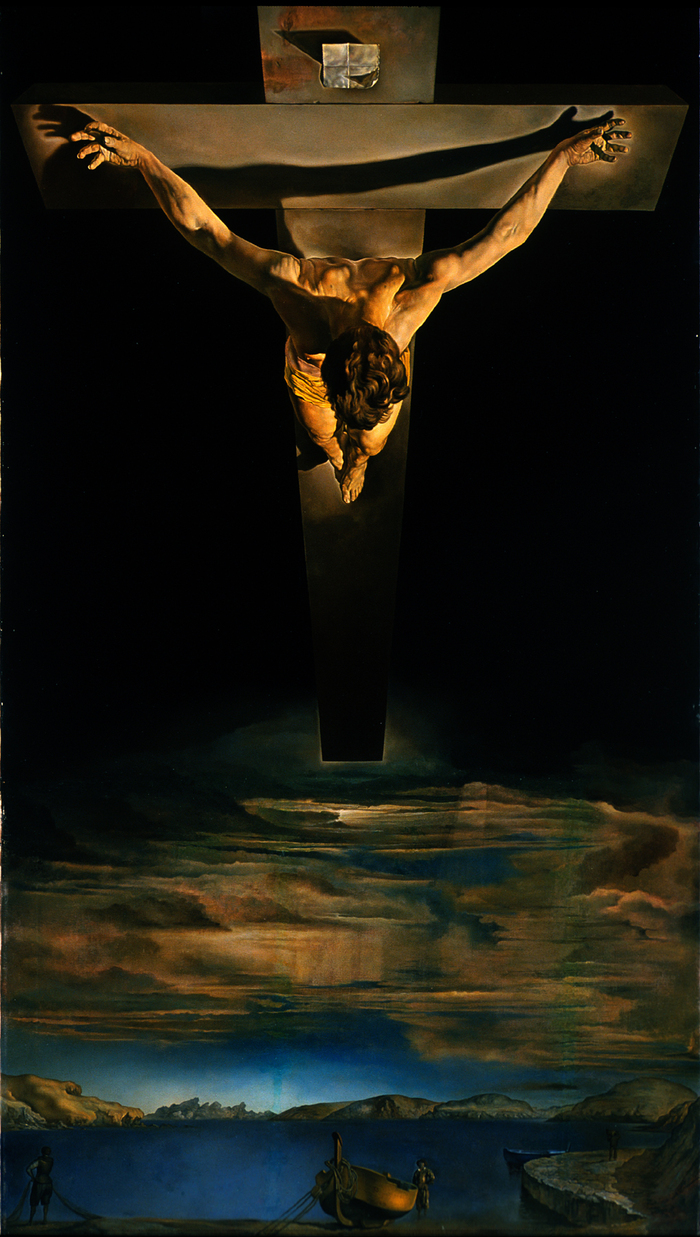 I’m really looking forward to doing a happy sermon sometime soon. But alas, I find myself preaching on both Ash Wednesday and Good Friday this year–not the happiest of Church Holy Days.
And yet there is hope.
It’s fashionable to emphasize the narrative nature of God’s work in the world. And yes, it’s true–there is a progressive nature to Redemption, with a beginning, middle, and end.
But God’s work is also often cyclical, with certain rhythms and movements that return, repeat, and fold within one another.
I had this in mind as I went into this sermon. Yes, we ought to press into the darkness and doubt of the Cross without just quickly comforting ourselves with the Resurrection–we have to sit there for a bit–and yet the Church Calendar gets into our bones and souls to such an extent that it transforms the darkness. We can never sit in the Cross’ forsakenness without feeling the spiritual muscle memory of previous Easters gone by. And in that is hope.
This realization led me to largely do away with my notes (which you can find below) when giving this sermon and largely ad-lib, speaking from the heart as I wrestled with this stuff in real-time. The text selections came from Matthew 26-27, and here’s the sermon audio. Feel free to send me any thoughts, questions or concerns:
You can also download it here, or subscribe to our podcast. If reading is more your style, here are my notes for your perusal. Continue reading
 the long way home