Series
I Am an Addict

And after you have suffered for a little while, the God of all grace, who has called you to his eternal glory in Christ, will himself restore, support, strengthen, and establish you. To him be the power forever and ever. Amen.
~1 Peter 5.10-11
I Am Dust
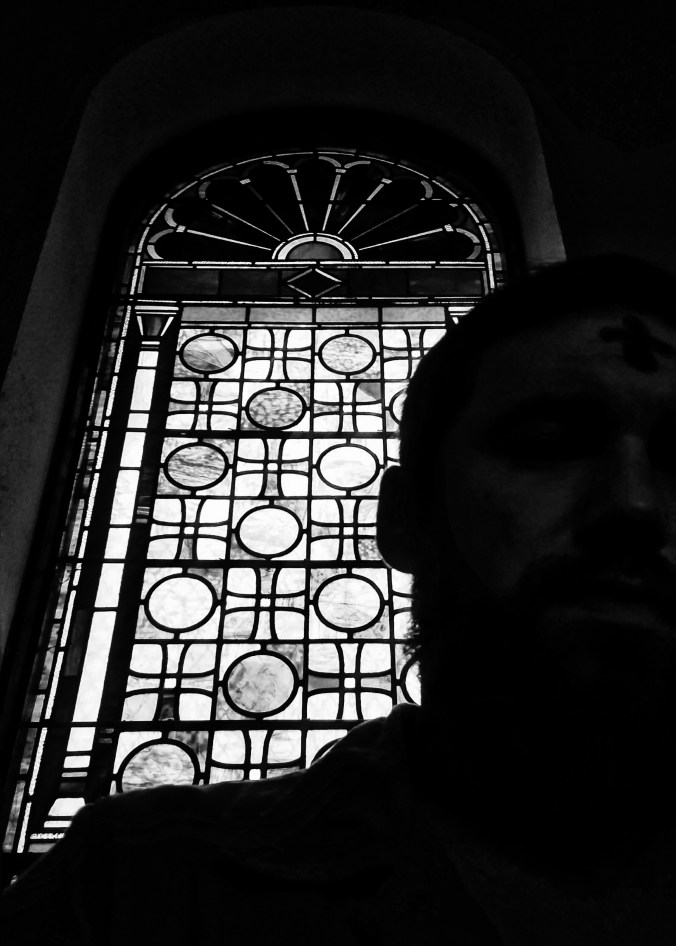
As a father has compassion for his children, so the Lord has compassion for those who fear him. For he knows how we were made; he remembers that we are dust.
~ Psalm 103.13-14
On Toxic Christian Masculinity [QUOTE]
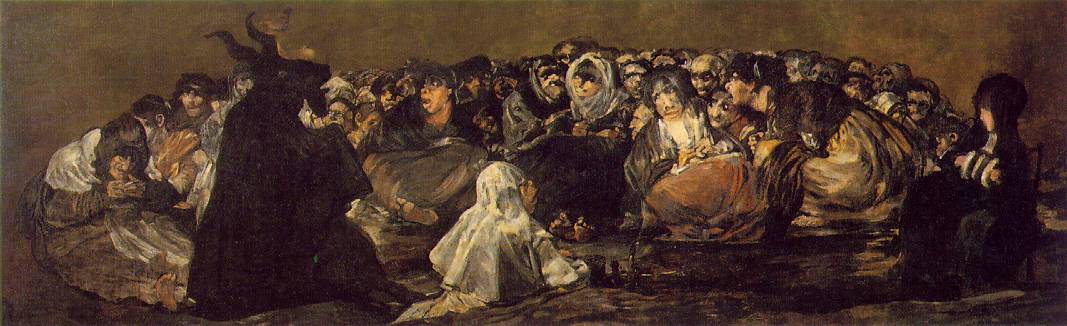
I know it’s a little long for a quote, but I promise, it’s very worth your time:
Within Christianity, the masculine image of God is often defined in these terms of control, power and dominion. Much of the Christian faith, though, requires that men recognize their limitations and depend on God. We accept salvation through his son and sanctification by the power of the Holy Spirit. It is a faith where the last shall be first (Mk 10:31), marked by a life of service to others….
Consider the definition offered by John Piper: “At the heart of mature masculinity is a sense of benevolent responsibility to lead, provide for and protect women in ways appropriate to a man’s differing relationships” ([Recovering Biblical Manhood and Womanhood] Piper and Grudem, 2006, p. 35). It is a definition that emphasizes leading, providing for and protecting women. But it offers no insight on how men relate to one another. Depending on your reading of this definition, it either smacks of male chauvinism or places greater value on women’s needs. No doubt well intentioned, it offers little guidance for men who are already confused, wounded and lost about their masculinity….
Continue reading
Male Feminist Theology & Sinning Against Women
 This is an incredibly hard post to write, but an important one, I think.
A couple of years ago, I started (and never really finished–but I will!) a blog series which outlined a systematic way that as a male, I can incorporate feminist perspectives on theology into the way I think about God and life.
I call it “Male Feminist Theology” because there’s something about truly being a “feminist” that requires having embodied the experience of being a woman–which I have not. (Similarly, I could not call myself a “Black Activist” with any kind of integrity.)
I started this series with a bunch of posts about using feminine language for God. There was a lot of blowback from that, most of it entirely unexpected. I still hold to that belief that God is gender–ful (not gender-less) and so the full range of human language, both masculine and feminine, ought to be applied to God.
And yet, in my actual-lived out spiritual life, this hasn’t seeped into my engagement with God as much as one would expect, considering how strongly I intellectually believe these things. Maybe an occasional substitute of “Mother” for “Father” in the Lord’s prayer or a Creed recitation, but I do it quietly under my breath. Only occasionally do I find myself remembering to pray to God in such terms. My unconscious reflexive depiction of God in my imagination is still fundamentally male. I have to actually exert energy and thought to try and conceive of something different.
Continue reading
Protestants, Catholics, Communion–oh my! (Happy Corpus Christi!)
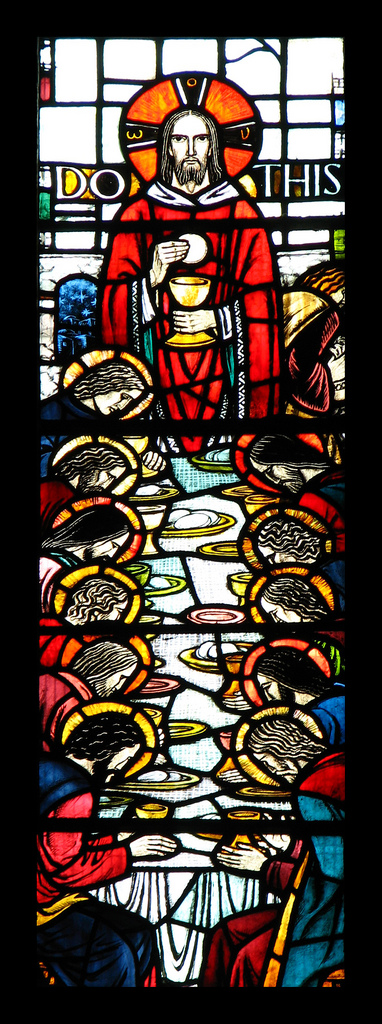 Today is a Christian Holy Day called “Corpus Christi” (Latin for “the body of Christ”). Today we meditate on the mystery of Communion/Eucharist/The Lord’s Supper.
I’ve mentioned some of my Communion views before and what I articulated is a synthesis and summary of the ideas of many theologians, both Protestant and Catholic. And so today, I want talk to all my fellow Protestant brothers and sisters out there.
In my opinion, the popular Evangelical idea of the Catholic view on the Eucharist is not really right or helpful (as is the popular conception of most of Catholic doctrine). Today I want to argue that Catholicism’s “Eucharist problem” is more historical and rhetorical than theological.
Some History
In the earliest decades and centuries of church history, people were able to simply maintain the simple doctrine that at Communion, they are receiving the true presence of Christ in the Bread and the Wine (source, albeit biased). In the middle ages, though, people starting asking themselves “Wait, what does that actually mean?” Differing answers started forming and a diversity of opinion about the Eucharist began taking place. The leaders of the Church tried to bring some commonality to this. In fact, the medieval Catholic church made a few “errant” teachers affirm these statements in 1078 and 1079:
Continue reading
St Teresa & A Woman’s Longing to Preach
 Saint Teresa of Avila was a 16th-century mystic and Carmelite nun who traveled around teaching and writing mystical treatises on the interior life of maturing Christian spirituality and contemplative practices. (Here’s a great intro on her life.)
To read her writings and to read about her life is one of the most powerful testimonies to a woman’s place in the Christian church. She constantly rubbed the male power structures the wrong way and in many of her writings one can see how she bends over backwards to accommodate their concerns about a powerful woman, trying to demonstrate how a woman can teach and lead while also living in accordance to the doctrines of the scriptures. And yet, more than any intellectual argument, it is her grace, maturity, and powerful insight into the Bible, the Christian Life, and the human soul that are some of the greatest apologetics for a woman’s full right to teach and preach and lead in the Church. I am currently reading through her magnum opus, The Interior Castle, and it is breathtaking. I ran across this brief passage and lamented along with Teresa… Continue reading
Good Friday Creation & Re-Thinking “The Fall”
 Each year during Lent, I press all the more deeply into a motif that appears throughout the Bible: that in some mysterious way, the God of the Universe has had a “slain” and “suffering” aspect to his nature for all eternity–even before the world came into being.
When this world did come into being, the Bible says that it came to exist “through” this suffering and slain Jesus. Therefore the rhythms of Christ’s own nature and life are written into the very DNA of the world. All of our history is an echo of Jesus’ life, both from eternity past and while on earth.
I’ve written before about what this means for the world and what this means for us, but what might this mean for the entire history of God’s work in this world?
Continue reading
Terror, Rage, Hope & Christmas Lights

This Advent, we’re meditating on the idea of Hope by looking at quotes from Christians and talking about what they might say about our Advent Hope.
“It is precisely because the Christian hopes for the ultimate and definitive, that she also hopes for the temporal and provisional. Precisely because she hopes with joy for the dawn of the great light, that she hopes with provisional joy for the little lights, which may come and go, but which will not come and go in vain.
These little lights act as temporary illuminations that can help the Christian to look and move more properly towards that which they can only point to, but which in their proper time and place can in fact actually represent to us!
Because the Christian hopes for the Last Day, for the eternal year, he hopes for the next day and the new year, from which, whatever they may bring, he can always expect at least new indications of the coming of Jesus Christ.”
–Karl Barth, Church Dogmatics, IV.3.2, p.938 (edited for clarity)
Read those words again. Slowly. We need these words, especially this year. As predators of consumerism, terrorism, pseudo-fascism, jingoism, escapism, and liberal idealism lie in wait to consume our souls, we need a light in the darkness. We need something to hold on to.
Advent and… (the series)
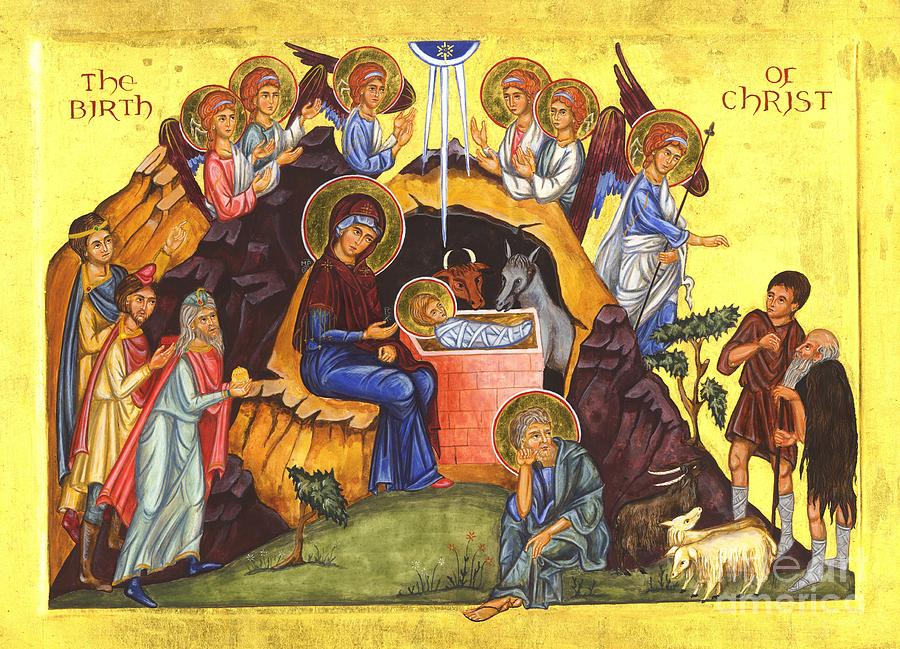
This is the dedicated post page for the Advent series “Advent and…”. In it, we looked at the various ways Advent connects to seemingly unrelated parts of our life and existence.
Welcome to Advent, 2012.
This was the series introduction. I looked at how Advent speaks to our whole selves, including a whole host of “un-Christmas-y” kinds of things.
Advent & Sex: we are holy ground
When you think of Christmas time, you don’t often think about sex. This post talks about the implication of Christ’s arrival for our sex lives.
Advent & Sex-lessness: here’s to singleness & celibacy!
The Advent story is a notably sex-less affair. What this means for us is huge. This was by far the most widely read post of this series, and in the top five most widely read posts in this blog’s history. Continue reading
A Male Feminist Wrestles with the Bible (come watch!)
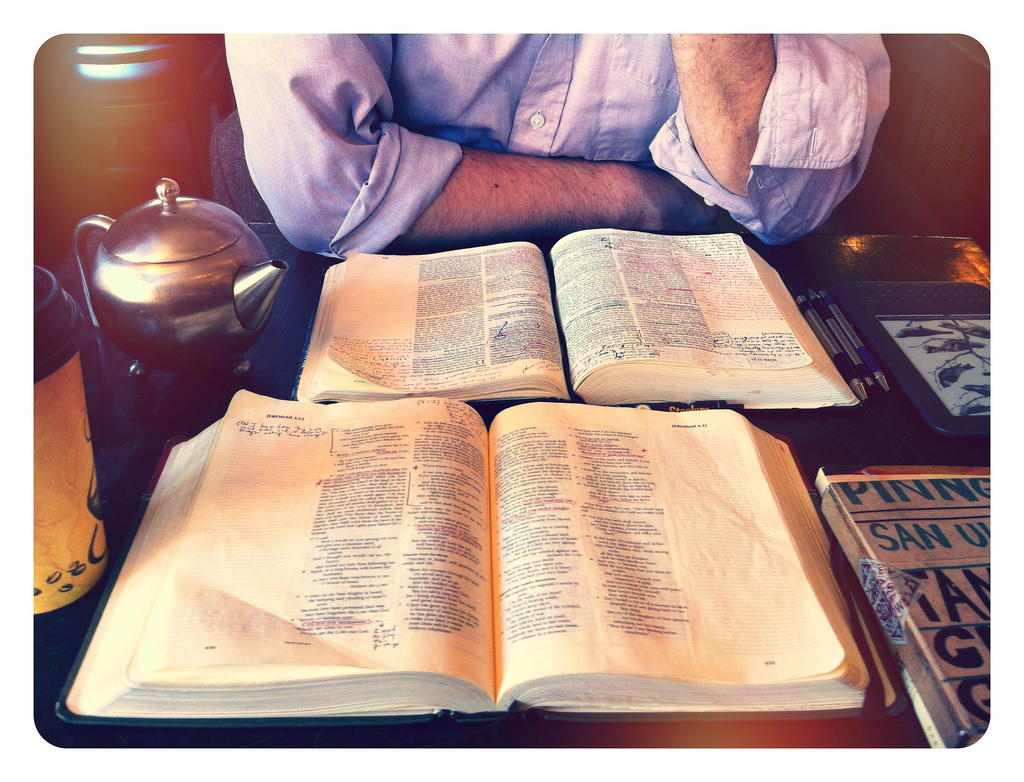
This post is part of our on-going series about Male Feminist Theology.
When we last met, I tried to lay out a theology of the Bible that makes sense when we take into account the experiences of women–an experience that is marginalized, embodied, and connected to the earth itself. When you do that, you realize that a top-down understanding of the Bible is inadequate. The way God reveals himself is primarily from the bottom-up. And that is how we should see the Bible–not as a divine dispatch from the heavens, but as an emerging reality out of the embodied, painful reality of human existence.
My argument was that the top-down idea that God spoke from on high and people wrote down his words in the Bible, is actually a patriarchal view that concentrates power and knowledge at the top and restricts it only to those with the privilege of being “in the know”.
Whether you agree with all that or not, there’s actually a bigger elephant in the room than our theological ideas about the Bible: the actual contents of the Bible itself. If you want to be sensitive to the realities of women in the world, what should you do when you approach passages (both Old Testament and New!) that disregard, demean, and disempower women?
Continue reading
How seminary changes your relationship with your church

I’ve got a new post up at Going To Seminary where I talk about how the difficulty of finding one’s voice in the midst of all the heroes you have going into seminary and the new ones you find. We end up doing a lot of mimicking and daydreaming about other people’s spiritual lives and gifts; it’s hard to find our truest selves in the midst of it. Further, I talk at length of the various ways that seminary changes the way that you, as a developing leader, relate to the leaders at your church. It’s also an interesting post to read on this All Soul’s Day. (On a side note, this post has a lot more to do with my experience years ago moving from one state to another for seminary than my current experience at my current church.) Check it out, and let me know what you think! Here’s an excerpt:
For many of us, attending seminary ends up changing our relationship with those people that have shaped and supported us and led us to that moment. For many, they are leaving supportive church families and leaders and doing school elsewhere. I’ve watched many of classmates have to go through a sort of internal “break-up” with their home churches and those pastors with whom they spent so much time. It hurts. They wonder why their pastors “back home” who were so supportive of seminary training won’t return emails. Can’t get together for coffee on school breaks. Won’t talk about possible job opportunities in the future.
Read the full post:
“All My Heroes are Dead“
Check out the rest of my Going To Seminary posts.
[image credit: “St. Jerome” by Caravaggio]

Enjoy the Post? Leave a tip with Square Cash!
What Should a Male Feminist Think of Our Messy Bible?

This is part of our series on Male Feminist Theology.
First, I have to say up front: this has been the hardest post of this series (so far). Today we’ll talk about the theology of the Bible, in the next post we’ll talk about the actual content of the Bible. But first, let’s get the big picture again (because it’s been a while).
There’s no such thing as a “neutral” theology. All articulations of theology are more sensitive to certain assumptions and concerns than others. What we historically conceive of as “regular ol’ theology” is, historically speaking, White Western Male Theology.
This series is an attempt to sketch a theology attuned to the heart of God towards our sisters all over the world who suffer more than any other single group. Women are (and always have been) by far the most abused, oppressed, poverty-stricken, and marginalized people globally. Therefore, I think there is a need for theology that speaks to this and frankly, our classical Western theology has come up short.
Seminary for the Whole Person: Practical Theology & Preaching Classes

I recently had two more pieces of writing go up at the website Going to Seminary. They both have similar themes about freeing ourselves to engage in seminary with our whole selves. The first about how to make the most of your preaching class. Here’s the intro:
In seminaries, the most hit-or-miss class might be the occasional course on Preaching. I’ve had the unique experience of taking two different preaching courses at two very different seminaries. One course was incredibly dry, unhelpful, and boring. The other was life-giving, challenging, and skill-enhancing. And I’m here to tell you that a good preaching course in seminary can change so much more than how well you do behind a pulpit.
Read the rest: “Don’t Waste Your Preaching Course“
The other post is about the most maligned set of courses in most seminaries: Practical Theology. These have the reputation for being the obligatory wishy-washy or touchy-feely classes that all the theologians just want to roll their eyes had. And yet, at my seminaries, I’ve had the opportunity to take Practical Theology courses that ended up being the most important classes I’d take. Here’s a preview:
As I’ve grown older, the sermons that used to feel so “applicable”, “practical”, and resonant now seem to have less and less resemblance to reality or the world around me. They seem to be words offered to imaginary, disembodied people I’ve never met; people that can simply receive the proclamations of God from his ordained authorities and then live lives of passionate obedience and response–those who can simply “hear the Gospel”, “preach it to themselves”, and be changed. That’s a fantasy world. It is not reality.
Read the rest: “Practical Theology: Seminary’s Red-Headed Stepchild“
Check out the rest of my Going To Seminary posts.
Enjoy the Post? Leave a tip with Square Cash!
NEW POST: Christian (Seminary) Community is Hard & Painful

I’ve got a new post up at Going To Seminary where I talk about how it’s hard to make and sustain community, even in seminary. I’m writing mainly about my experience at in in-residence seminary program (my experience with distance learning has been quite different, as you can imagine). But, even if you’re not in seminary, the lessons in the piece are entirely applicable to general church life as well. Check it out, and let me know what you think! Here’s the intro:
Seminaries are weird creatures. In the beginning, most everyone is new and has to do the awkward dance of forming relationships while at the same time trying to find a flow for school to survive. It takes a unique person to really be a part of both the academics and communal side of seminary. And let’s face it: no one is holding your hand there; you mostly have to be self-motivated and spiritually self-sustaining, because the usual church structures that motivate, support and counsel just aren’t there at seminary. Even things like prayer groups and chapels are still only as helpful as the attention you put into them.
Read the full post:
“Seminary Community is Hard & Hurts“
Check out the rest of my Going To Seminary posts.
(On a side note, I’m sorry that the picture above only has men in it. I hate that, but it represents some of the themes of the piece really well.)
Enjoy the Post? Leave a tip with Square Cash!
 the long way home
