This is for those of you that subscribe to the blog by RSS feed or through a WordPress subscription. Earlier, I put up a new post, but because I had started writing it several days ago, the date on the post is from then, not today. So….I don’t know that it went through on your subscriptions. You can find the post here. Let me know what you think!
Series
Why my soul is glad to have feminists around me
 This is a post in our on-going series on Women in the Church.
As I wrote last week, I was at my in-person seminary intensive the past two weeks. While there, I met a woman who is about to be ordained a minister in my denomination. We were all sharing our stories and I told her I was raised a Southern Baptist. Having been raised in area where they have little to no foothold, she had only had one experience with a Southern Baptist.
She was working a table at a conference where an older gentleman carrying a large briefcase approached, telling her how excited he was about the next speaker–a “fellow Southern Baptist”. Not being familiar with the speaker’s work, this woman asked the gentleman what the work was on. He put his briefcase on the table, opened it up and pulled out a large tome, saying “this is his book, and it is wonderful.” He almost began to summarize its contents, but stopped short, instead pulling out a much smaller paperback, saying “but that book may be too hard for you to understand. Here, look at this one. It’s much simpler.”
He then realized he had no idea why a woman would be at this conference in the first place. He asked, “and so what do you do?”
She told him that she was at seminary studying for her Masters of Divinity.
This gentleman quietly put the books back in his suitcase, shut it, locked the clasps, looked at her, and solemnly said, “you know you’re going to burn for that, right?” And he walked away.
Welcome to Epiphany. (And a free Mixtape to celebrate!)
 If you’re just looking for the mixtape, click here for the official Epiphany Mixtape page.
From now until Lent, the Church Calendar is in the season of Epiphany.
Basically, this season seems like it’s sort of a Church Calendar “junk drawer” to meditate and celebrate on all the other parts of Jesus’ life that happened between his Advent/Birth and his Death.
And don’t misread that. In describing it that way, I hope that doesn’t diminish this season for anyone.
Perhaps the most precious doctrine of the Christian faith for me is that of the Imputation of Christ’s Righteousness. That’s a fancy way of saying that Jesus lived out a righteous life, and his very own righteousness is given to me as my own. And so, with a complete and perfect righteousness in hand, I don’t have to bear the weight of shame or condemnation. This is so beautiful to me.
But this Righteousness in which I am dressed was not created out of thin air, nor was it created by Christ at the Cross, or even at his Resurrection. It was built throughout his life of obedience to His Father, as the light of his character and life grew brighter and brighter in the midst of our darkened world. It’s this part of his life that we celebrate and meditate upon in this season.
And this is amazing. As I’ve written before, if Herod had been successful in killing the infant Jesus, there would be an essential aspect of our salvation that’s missing. This is why Epiphany is so important.
And so, to try and help me spend some time meditating on this season, the best way I knew to think deeply about all this was to re-post Epiphany mixtape I first posted last year.
To read more about the specifics of Epiphany, the mixtape, and to listen/download it yourself, you can either read below or just go to the official Epiphany Mixtape page.
[cover image credit: the photo on the mixtape cover is used with the gracious permission of photographer and friend of the blog, David Schrott]
Advent & Hoping for God to be With Us
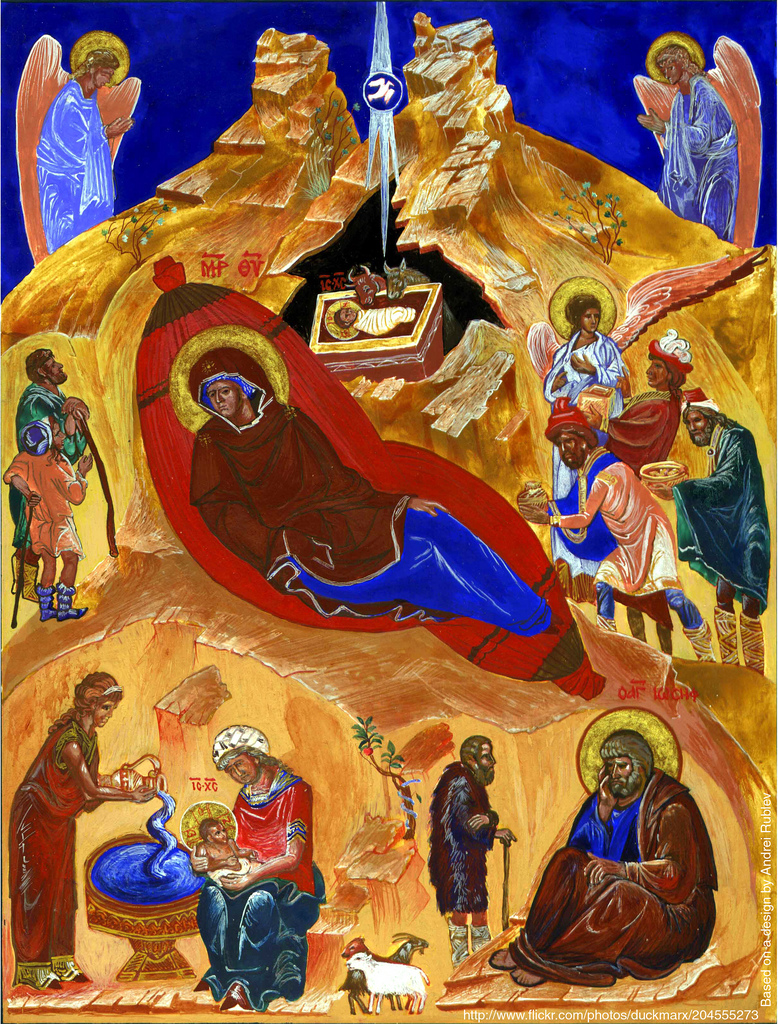 This is the meditation I wrote that appeared in this weekend’s reading and reflection in Liberti Church’s Advent 2013 Prayerbook, which can be downloaded for free.
Again the Lord spoke to Ahaz, saying, Ask a sign of the Lord your God; let it be deep as Sheol or high as heaven. But Ahaz said, I will not ask, and I will not put the Lord to the test. Then Isaiah said: “Hear then, O house of David! Is it too little for you to weary mortals, that you weary my God also? Therefore the Lord himself will give you a sign. Look, the young woman is with child and shall bear a son, and shall name him Immanuel.
If you’ve been keeping up with this Prayerbook (or any Advent guide), then congratulations! I hope it’s spoken to you and you have experienced God in its readings and meditations.
That being said, you might be wondering: why is this Prayerbook continuing after Christmas Day?
It was only a couple of years ago I found out that in the Church Calendar, Christmas is not just a day—it’s an entire season! Advent Season leads into Christmas Season. Why is this? Advent has a similar relationship to Christmas that Lent does to Easter: it’s meant to be the time of reflection, preparation, and repentance that prepares us for the unbridled, no limits, over-the-top celebration and joy of Christmas. Our spiritual ancestors knew that celebration takes time and preparation. That’s what Advent has been.
But now we’re in the Christmas Season—the time of complete unfettered celebration. But why?
Continue reading
A Biblical Critical Advent: Luke’s Cosmic Christmas
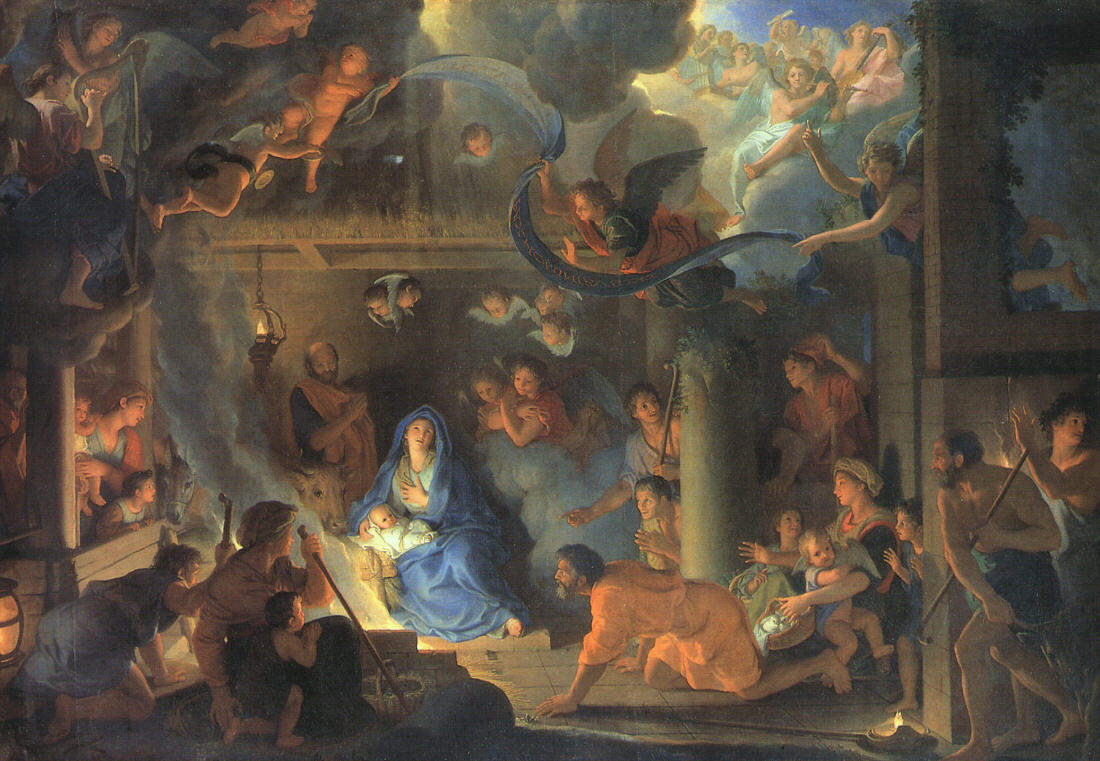 For Advent this year, I wanted to put up a few posts looking at Matthew and Luke’s Nativity stories as they were meant to be read: as two separate stories with their own purposes and themes. We often just mush them together, and I think we lose something in that process. Last week, we sat with Matthew’s Nativity story. Today, we turn to Luke’s Christmas.
Matthew’s Nativity focuses on how Christmas plays right into Israel’s own story; how this is exactly how the Jewish Messiah should be expected to have come into the world. Luke’s Gospel, on the other hand, emphasizes Jesus’ significance to the entire world, all parts of society, and the entire cosmic order.
In other words, Jesus’ mission in Luke is much larger than simply Israel. These and other Lukan themes are brought out quite strongly and explicitly in his Nativity narratives. Today we’ll see how he does this through signs of the universal mission of Jesus, the story’s emphasis on the lowly and powerless, and his stories of Spirit-filled joy.
Advent & Longing for Home
 This is the meditation I wrote that appears in a reading and reflection in Liberti Church’s Advent 2013 Prayerbook, which can be downloaded for free.
There is an incredibly profound way in which we don’t feel at Home in our own humanity.
Too often, Christians see their own personal spiritual growth as a loss, a lessening, or an abandoning of their own humanity. This can lead us to subtly use people and things to try and find our soul’s Home. And so we awake to find anxiety, manipulation, doubt, guilt, and self-loathing ruling and reigning so many parts of our lives and relationships. (Am I alone in this?)
We can sometimes think of Christianity as a process of our souls leaving the “Home” of their weakened humanity and finding a “new, spiritual Home” in Jesus. The logic goes that you were originally one way, then Jesus “saved” you, and now you are able (and are commanded) to be something else, now that you are His.
But Advent radically flies in the face of this.
Continue reading
A Biblical Critical Advent: Matthew’s Old Testament Christmas
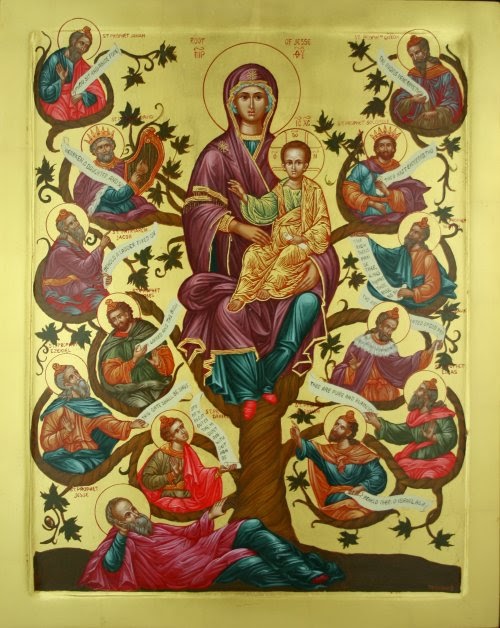
For Advent this year, I wanted to put up a few posts looking at Matthew and Luke’s Nativity stories as they weren’t meant to be read: as two separate stories with their own purposes and themes. We often just mush them together, and I think we lose something in that process. Today, we look at Matthew’s Christmas Story.
It’s well-known that the Gospel of Matthew portrays Jesus as the fulfillment of Jewish messianic expectations. But the path Matthew takes in doing this moves against the way most messianic expectations played themselves out at time. Matthew recalibrates these expectations to show how even in Jesus’ infancy and birth, his “Messiah-ness” includes a retelling of Israel’s own history, both good and bad.
You can see this especially clearly in the way Matthew crafts his version of the Nativity story. Today, we’ll look at three particular aspects of this story that show his unique thematic and purposeful crafting of the birth story: his use of people and names, geography, and the fulfillment of the Old Testament.
Continue reading
Have yourself a biblical critical Christmas
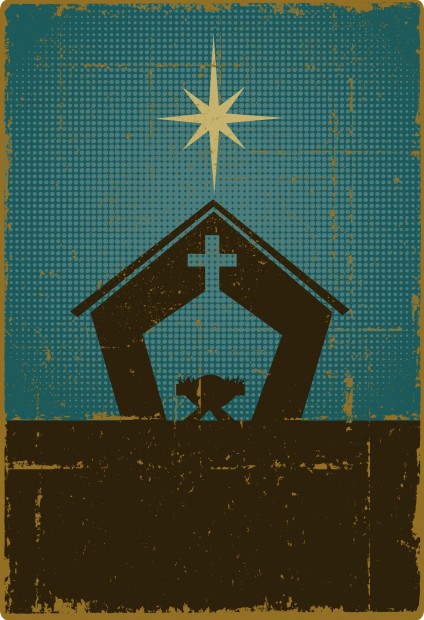 Sorry, this post isn’t about the pessimism and critical irony that can sometimes mark how we engage in this time of year. When I use the phrase “biblical criticism”, I’m referring to (as Wikipedia says) the “[scholarly] study and investigation of biblical writings that seeks to make discerning judgments about these writings”.
Last year, I wrote about how the story of the Wise Men can inform our doctrine of the Bible. This Advent, I want to do a brief series where we use the tools of scholarly observation to look at each of the two Nativity compositions (yeah, only two out of four gospels have them) and see each of them on their own terms.
For millennia, the birth narratives of Jesus Christ in the Gospels have captivated readers both within and without the Christian faith. Their reading and meditation form the beginning of the Christian Church calendar, and their theological implications of Incarnation form the foundation of nearly all of the distinctives of the Christian faith.
Continue reading
A night so holy and silent | Carols in Prose
 For my Advent series this year, I am going through Christmas Carols and unpacking them, re-writing them in prose, hoping to pull out more of their meaning, theology, significance, and beauty. Here’s today’s source material.
As holy as that night was–as anointed, blessed, prophesied, and sacred as it was–it was just as silent. You know in winter when find yourself in the midst of falling snow, and it almost has a loud silence? It was like that.
Who knew that this utter holiness and cosmic in-breaking would be so quiet? So…uneventful? Yes, there were angels and such, but they were far away with us. There at the manger? Silence.
Continue reading
May God give rest to you weary, happy souls | Carols in Prose

For my Advent series this year, I am going through Christmas Carols and unpacking them, re-writing them in prose, hoping to pull out more of their meaning, theology, significance, and beauty. Here’s today’s source material.
I pray that God may give rest to all of you. Those of you that are tired and in need of rest, and yet you doggedly hold on to a soul-merriment and joy that cannot be taken from you. I pray he grants you rest and lets nothing steal your soul’s joy.
Especially in this season, I pray he strengthens that joy as you remember that he has come among us in Christ, our Savior, whose birth we celebrate during this time. We remember that he came as a human–but not just that. We remember he came as the weakest and most frail of human forms: one who is born.
But we don’t jut remember that he came, or even just how he came–but also, why.
This Advent season precedes Christmas as Lent precedes Easter–it’s a time to meditate on the darkness, weight, and tension of this world. The darkness and power that drew us away from God as Home; the darkness from which we were saved. And in this, we are given that rest, comfort and joy.
Oh, that we might experience God’s good news of comfort and joy proclaimed from the rooftops of our lives! Just think of that: Comfort. And Joy.
Advent & Hoping for Justice
 This is the meditation I wrote that appears in today’s reading and reflection in Liberti Church’s Advent 2013 Prayerbook, which can be downloaded for free.
First, a question.
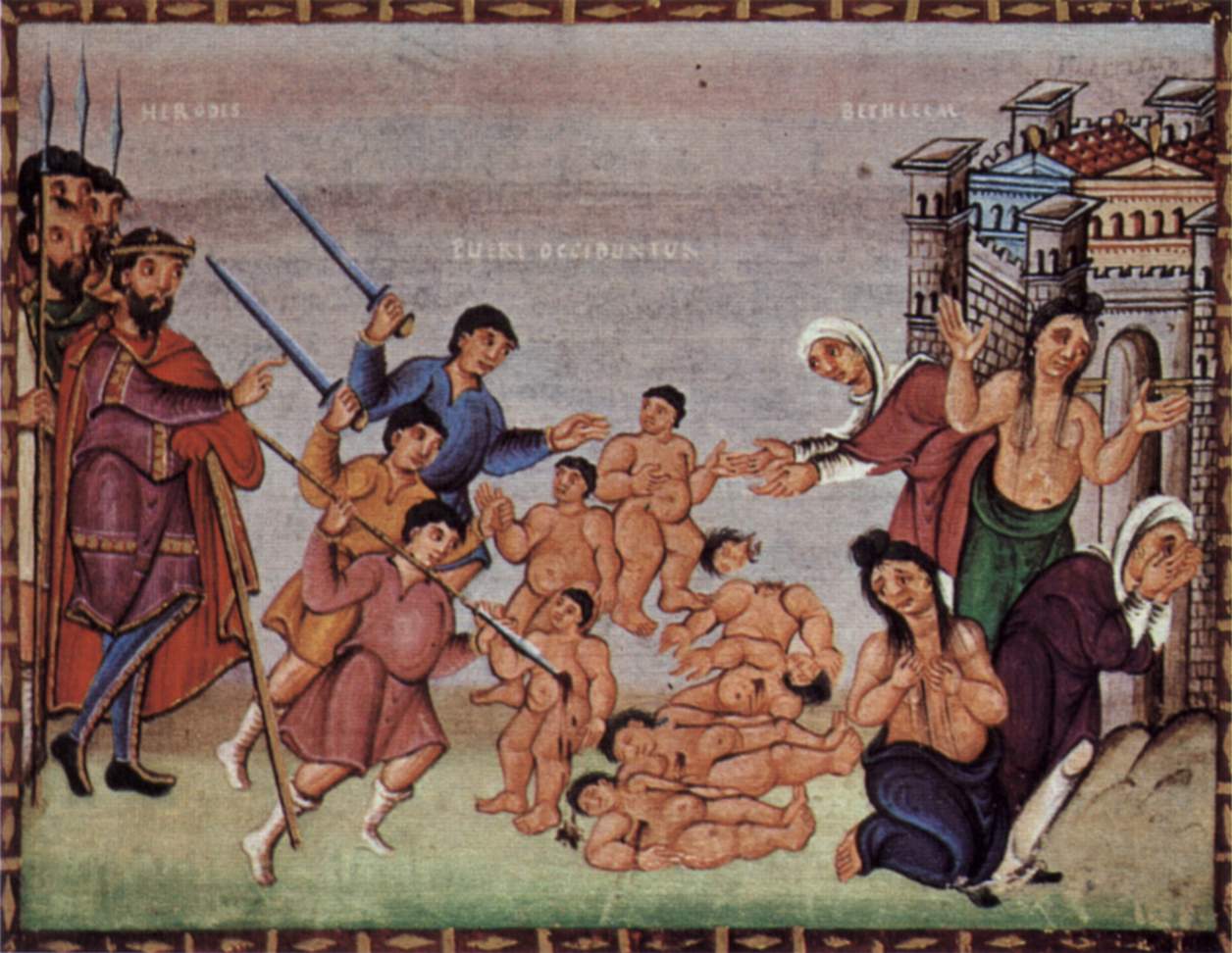
Think back on the Christmas story. After Jesus is born, when he’s about three-years old, King Herod puts out a decree calling for the death of all infants, trying to kill Jesus. An angel comes to Joseph in a dream and tells him to flee to Egypt to prevent Jesus from dying in this slaughter.
Here’s the question: why flee to Egypt?
If they stayed and Herod killed the child Jesus, wouldn’t that still be the Son of God dying unjustly at the hands of a Roman provincial governor? Why go to all that effort to wait 30 years later for the same thing to happen on a cross?
Continue reading
Advent & Hoping for Peace
 This is the meditation I wrote that appears in today’s reading and reflection in Liberti Church’s Advent 2013 Prayerbook, which can be downloaded for free.
This world is anything but peaceable. Humanity is constant in its injustice and wickedness inflicted upon one another across this world. It makes you wonder if “humane” is a misnomer. And we can’t just blame all of this on free will, either. The natural world rages against us with its own violence with staggering regularity. And all of this hits home the most when it’s those closest to us that suffer under this world with little peace on hand.
We look at all of this and ask that oldest of questions: “Why?” But when we open the pages of Scripture, we don’t find answers to this seemingly core thread running through our existence. The God of the Bible seems far more concerned with answering “what” questions than “why” questions–what is the nature of reality? what is the problem with the world? what is the solution?
But there is good news for all of us that struggle against the violence of this world: Advent.
In Advent, God does not merely see our why‘s and disregard them as silly and human; he does not simply leave us to our own to wrestle and struggle and doubt. He doesn’t answer our whys. He simply looks at us and the world with compassion, acknowledges to us the way things are, and rolls up his sleeves to address it.
Continue reading
For Advent 2013: a Free Liberti Prayerbook & Devotional

As of this past Sunday, the Christian Church finds themselves in the season of Advent. I don’t know about you, but this season has snuck up on me (admittedly, I was a little occupied). I’ve been working on a new Advent Mixtape, but it’s not done (you can find last year’s here). I have an idea for an Advent series, but I haven’t fully thought through the concept (see past series here). I’ve had devotionals and reading plans set up on my phone to do, but I haven’t done even one day of them all this week.
But one of the beauties of the Church Calendar is that it doesn’t depend on us. The realities pointed to in these weeks are objective realities that happened (and are happening) in spite of us, and not because of us. Another beauty of the Calendar is that it happens every year, so even if we don’t engage one year like we’d like or hope, there’s always next year.
Continue reading
A Brief History of Christian Thoughts on Discernment
 This is a post in our series exploring the ancient Christian Practice of Discernment.
In the last post of this series, I went through the short history of how decision-making had been done outside of a church context. I said that the main thing that unified all of these approaches was that they were all fairly impersonal. They appealed to abstract “forces”, “principles”, chance, or even technology help make difficult decisions. I concluded by saying that Christianity gives a very different approach to Discernment and decision-making; one that is personal, intense, risky, and terrifying.
Today I want to talk about that. The history of Discernment in the Christian Church has had a very interesting story. Hopefully you’ll see, along the way, the incredibly different ways Christians have approached this; but hopefully, you’ll also see the deep ways in which it has stayed constant throughout our history.
Continue reading
If I’m right about cities, then Republicans are in deep trouble.
 It’s been too long since we’ve had a political post hasn’t it? Last week, as part of my “Urban Lessons” mini-series, I wrote on how cities are perhaps the fountainheads of everything that ends up in suburban and rural areas. The things that take place in cities, it seems, always ends up flowing outward into the rest of the country, even if it takes decades or generations to do so.
I had that on my mind when watching this segment of The Rachel Maddow Show from Monday night’s episode. The segment is based off an excellent piece by Alexander Burns in Politico called “GOP big-city mayors vanish”. In it, Burns writes:
Largely unnoticed in Washington, urban Republican politicians have emerged over the last year as perhaps the nation’s most severely endangered political species, as the party has either failed to compete for high-profile mayor’s offices or has been soundly rebuffed by voters. It’s a significant setback that some Republicans view as an ominous sign for the GOP in a country growing steadily more urban and diverse.
 the long way home