
“Yes
it is time
to think about Christ
again.
I keep putting it off.”
Longing and lusting
Raging and seizing
Continue reading
“Yes
it is time
to think about Christ
again.
I keep putting it off.”
Longing and lusting
Raging and seizing
Continue reading
Prayers & Readings from
Liberti Church’s Lent & Easter Prayerbook
My help comes from the LORD,
who made heaven and earth.
–from Psalm 121.2
~silence~
Luke 22.14-38 (msg) Continue reading
Prayers & Readings from
Liberti Church’s Lent & Easter Prayerbook
My help comes from the LORD,
who made heaven and earth.
–from Psalm 121.2
~silence~
Luke 21.25-38 (msg) Continue reading
Prayers & Readings from
Liberti Church’s Lent & Easter Prayerbook
My help comes from the LORD,
who made heaven and earth.
–from Psalm 121.2
~silence~
Luke 21.1-19 (msg) Continue reading
Prayers & Readings from
Liberti Church’s Lent & Easter Prayerbook
My help comes from the LORD,
who made heaven and earth.
–from Psalm 121.2
~silence~
Luke 19.29-48 (msg) Continue reading
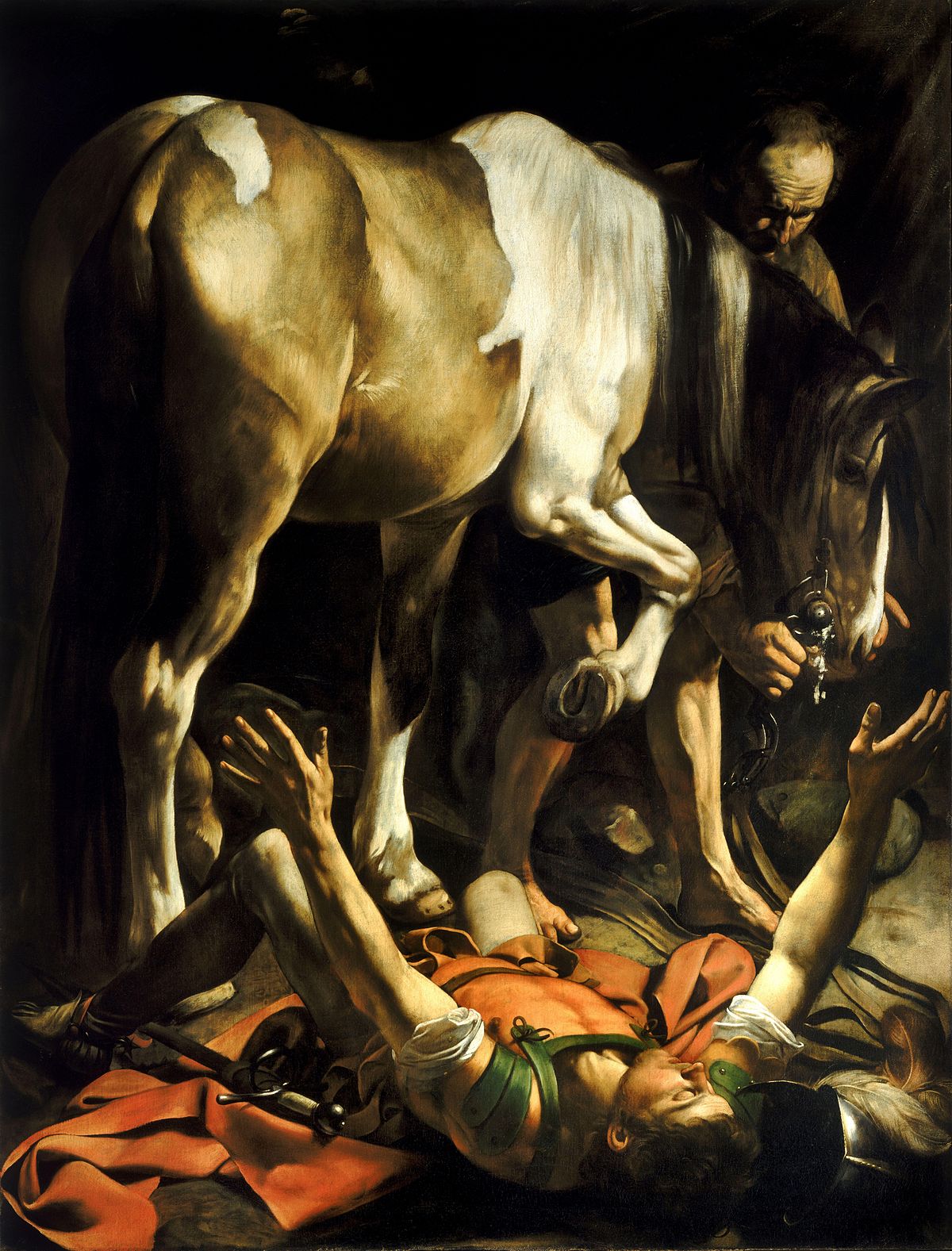 This past Sunday was Palm Sunday, the Christian holiday that ushers in Holy Week. It celebrates the “triumphal entry” of Jesus into Jerusalem (Mk 11:1-11). In hindsight, though, this is one of the oddest “triumphal entries” one could imagine. It is the triumphal kick-off for what would be the death of the Son of God for the sins of the world.
Even now, millennia removed from the events of this week, we still wonder at how this all works. How does one person’s death–however good they are–account for every sin of every human in all of history?
It only begins to make some sort of sense when we acknowledge that this great exchange is not between to equals. Jesus, the Good and Innocent human, cannot merely be “another man” dying for another.

I feel far, Lord.
But I know you’re here. I know it.
(Do I?)
(Can I?)
It’s the nature of the matter; a matter of nature, I suppose.
Perhaps only now I feel at the deepest existential depths:
“I believe! Help my unbelief!”
Continue reading
 Warning: this post talks about self-harm and suicidal thoughts. If you are experiencing this, you can chat online with the Suicide Prevention Lifeline or call at 1.800.273.8255.
We are in the final weeks of the Christian season of Lent: a time where we focus on the fact that we are not yet who we will be, and that we still live in much darkness, weakness, and self-obsession. On its own, this could become masochistic or over-indulgent depending on your personality. But this is why Easter comes on the other side as a call to cast off the brooding and soul-spelunking to rise into the highest heights of celebration and freedom the Resurrection offers.
But still, this time lends itself to sadder reflections. The other day, my coworkers and I were sharing stories of social work clients we’ve worked with over the years and I was brought back ten years to my first time encountering a suicidal client when I was brand new to the field.
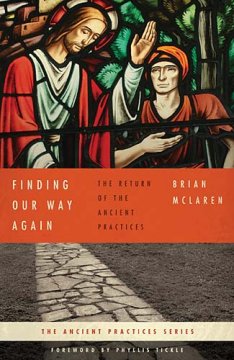
This book is nearly a decade old now. It ages well, though now what it says may not seem as immediately new and fresh as it once was. Still, I believe its diagnosis and treatment are just as relevant today as it was then.
Ultimately, as laid out in its introduction, this book (and the series of subsequent books which follow it), seek to lay out a fourth way (“third” ways are soooo 2008) “beyond a reductionistic secularism, beyond a reactive and intransigent fundamentalism, and beyond a vague, consumerist spirituality”. In this sense, this book is a great success.
Implicit in its prescribed antidote, this book offers the same diagnosis for each of the three problematic ways of existing in the world, despite their radically different orientations–a fundamental disembodying of the human person, as exemplified by their anemic relationship to practices, both communal and private.
To that end, the book outlines ancient historical and theological foundations to spiritual practices. A refreshing aspect of this is that his list goes well beyond the typical Evangelical “pray-and-read-your-Bible quiet time” approach to spiritual practices. There are treatments given to Christian mystical traditions often overlooked by contemporary American Evangelicals, especially when it comes to contemplative, apophatic, and negative theological traditions, wherein one experiences connection through the divine by stopping activity and cogitation to experiencing an emptying rather than a filling.
Father, Mother God–
Let me feel your loving gaze and presence. Let me dare to believe that you adore and delight in me. I feel my shortcomings so viscerally and deeply. Give me the gift of relief from their weight.
In my sin, I have no ability to stop, moderate, or pull myself out once I fall in. Only you can do this in me. I am committed to walking this path with you and seeing your light and freedom in me and the world.
Protect and guide me.
I give these defects, shortcomings, and sources of shame to you. Remove, heal, and transform them. Be gentle, but real–substantive. I love you. Let me believe and see your love for me.
Amen.



 the long way home