St. Michael’s Vigil | a Michaelmas Espresso Martini


Recipe

  • 1.5 oz Espresso (or Cold Brew concentrate)
  • 1 oz Cognac
  • 1 oz Blackberry Liqueur (or Raspberry)
  • .25 oz Coffee Liqueuer
  • .25-.5 oz Green Chartreuse to taste
  • Optional dash of salt
  • Garnish: blackberry

Shake with ice until well chilled. Strain into a chilled coupe or martini glass. Garnish with the blackberry.

* * * *

September 29 is Michaelmas, the great feast of St. Michael the Archangel, now shared with Gabriel and Raphael. Once a major holy day in medieval Europe, Michaelmas was marked by parades, fairs, and feasting. An old Irish legend tells us that when Michael cast Satan from heaven, the devil landed in a blackberry bush, spat upon it, and soured its fruit. This led many people to eat blackberries on Michaelmas, but not after.

Michael himself is remembered as the protector of the Church, the one who drives back the powers of evil and bears the banner of heaven. He is the the governor of heaven — the holy counterpoint to Lucifer, the self-styled ruler of hell. And as befits a warrior feast day, we drink to those who fight for us and we strengthen ourselves for the spiritual fight ahead!

So why an espresso martini? Because this day is about wakefulness and vigilance. Michaelmas arrives as the nights grow longer, and it calls us to be alert: watchful against darkness, strengthened for the battles of the spirit. Espresso jolts us awake, both in body and in soul, a reminder that “the Church militant” does not sleep on its watch.

The cognac anchors the drink with warmth and gravity, evoking the dignity of heaven’s general. The blackberry liqueur brings both sweetness and bite, a nod to the old legend of the cursed bramble. The coffee liqueur evokes purgation and penitence. The green Chartreuse, the herbal elixir made by monks, brings angelic mystery to mind; it’s the holy herb garden of heaven condensed into liquid. Finally, the garnish: a blackberry skewered on a pick, recalling the sword of St. Michael.

Altogether, it’s dark and strong, sweet and energizing — exactly what a feast of archangels deserves. This is no gentle nightcap; it’s a drink for vigilance, courage, and joy in the triumph of light over darkness.

Raise your glass this Michaelmas—and do it before the blackberries turn sour.

Continue reading

Negroni Joven | for Ordinary Time


Recipe

All you need is 1/2 oz of each of the following:

  • Tequila Blanco
  • Tequila Reposado
  • Tequila Añejo
  • Campari
  • Amaro Averna
  • Sweet Vermouth
  • Dry Vermouth
  • Garnish: A lime twist & your favorite Summer read

Instructions: Stir with ice and serve over a large cube. Express the oils from a Lime peel over the drink and drop it in.

* * * *

Ordinary Time is the Church’s longest season, and also its quietest, most mundane. But that’s the secret of it: this is where most of life happens.  Ordinary Time (and the Church Calendar itself) is cyclical, but not static. It’s like a helix, looping back through the same motions, but always a little higher, a little deeper, than before. In fact, it’s name doesn’t mean “plain”, but comes from the word ordinal because it counts time from Pentecost.

The Negroni Joven (pronounced HO-ven) is about this sort of time. It’s named after joven tequila, a blend of aged and unaged tequila, which is exactly what Ordinary Time is for us. It’s new each year, and yet the benefits accumulate over time. So there grows a depth and richness, even in the midst of the newness, adding layers of complexity.

Continue reading

Family Reunion | A Pentecost Negroni


Recipe

  • ½ oz Rye Whiskey (USA)
  • ½ oz Tequila Blanco (Mexico)
  • 1 oz Suze (French Amaro)
  • ½ oz Carpano Antica (Italian Sweet Vermouth)
  • ½ oz Ruby Port (Portugal)
  • ¼ oz Islay Scotch (Scotland – floated on top)
  • Flamed Orange Peel Garnish

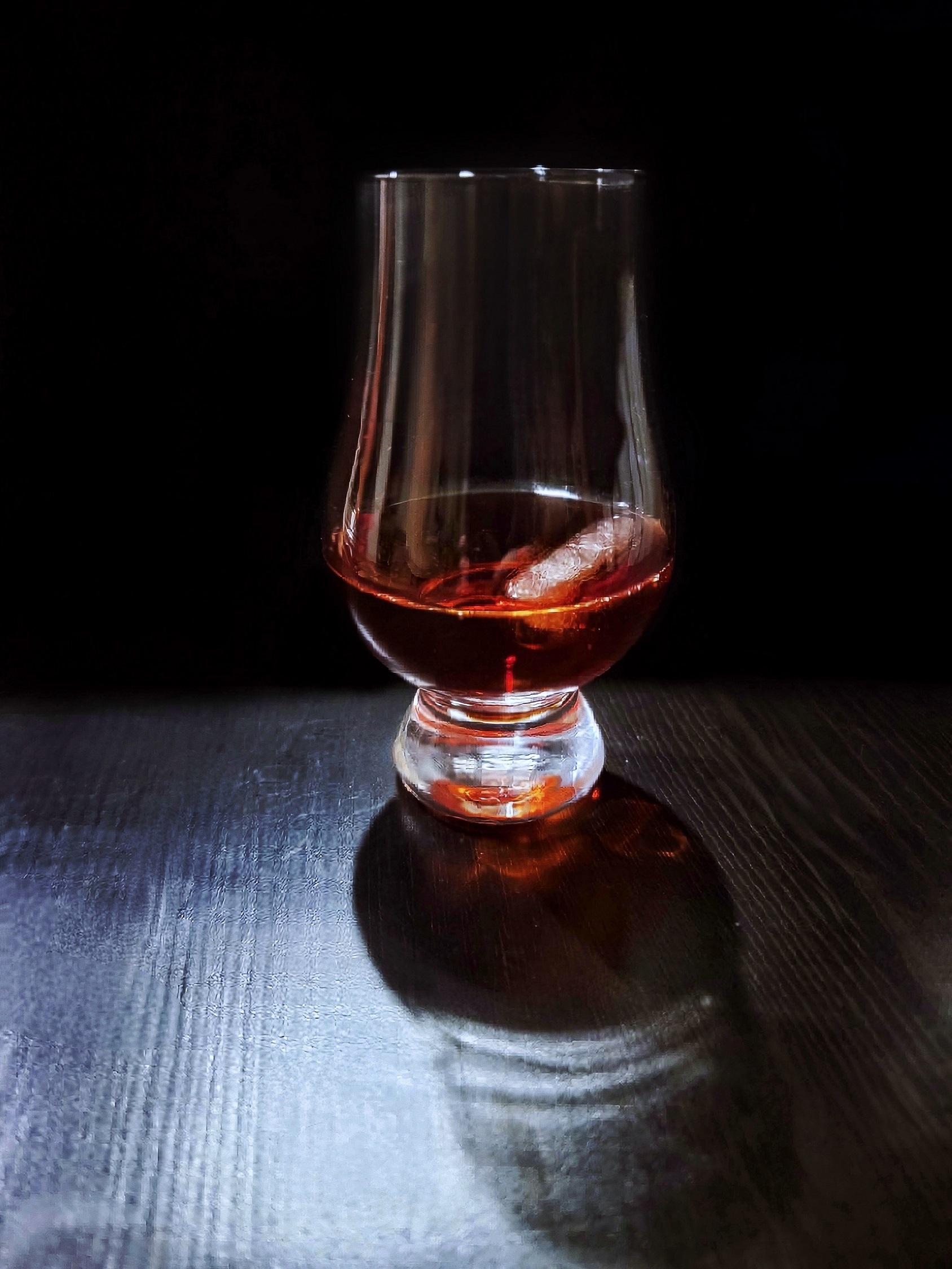
Stir all ingredients except the Scotch with ice and strain into a rocks glass over a large cube. Gently float the Islay Scotch over the top by pouring it over the back of a spoon. Flame an orange peel over the glass, express its oils, and drop it in.

* * * *

Happy Birthday, Church! It is now Pentecost, the day that God’s own Spirit filled God’s own people, crossing language, boundaries, cultures, and nationalities to create one new united family. In the tongues of fire and language, God reversed the story of the Tower of Babel.

That’s the heart of this Negroni, Family Reunion. It’s built from spirits scattered across the world: American rye, Mexican tequila, French Suze, Italian vermouth, Portuguese port, and a smoky Scotch from the far edge of Scotland. It’s a drink that doesn’t pretend the differences aren’t there but lets them all sit in the glass together. Each part keeps its accent, but together they have an incredibly unity.

The drink itself leans earthy and complex. The rye brings structure, the tequila adds depth, and the Suze’s golden gentian bitterness contributes an interesting mid-note to the flavors. The Carpano Antica and the Ruby Port round it out with deep, red sweetness, like the shared wine of communion: one cup, many vineyards. Lastly, the Islay Scotch float and the flamed orange peel garnish image the tongues of fire hovering over those first Christians.

This drink is Pentecost in miniature. But this is not a quick or delicate Negroni. It’s heavier, slower, more reflective. The kind of drink that doesn’t mind being passed around, that tastes different each time you come back to it. It’s the flavor of the Church at her best — many voices, one Spirit, the family gathered again around the same table drinking from the Common Cup of God’s grace.

Continue reading

The Epiphany Espresso Martini


Recipe

  • 1.5 oz Rye Whiskey
  • 1 oz Espresso or Cold Brew Concentrate
  • .5 oz Molasses
  • .25 oz Dry or Blanc Vermouth
  • 2 dashes Chocolate Bitters
  • barspoon Fernet Branca
  • Lemon Peel for expression and garnish

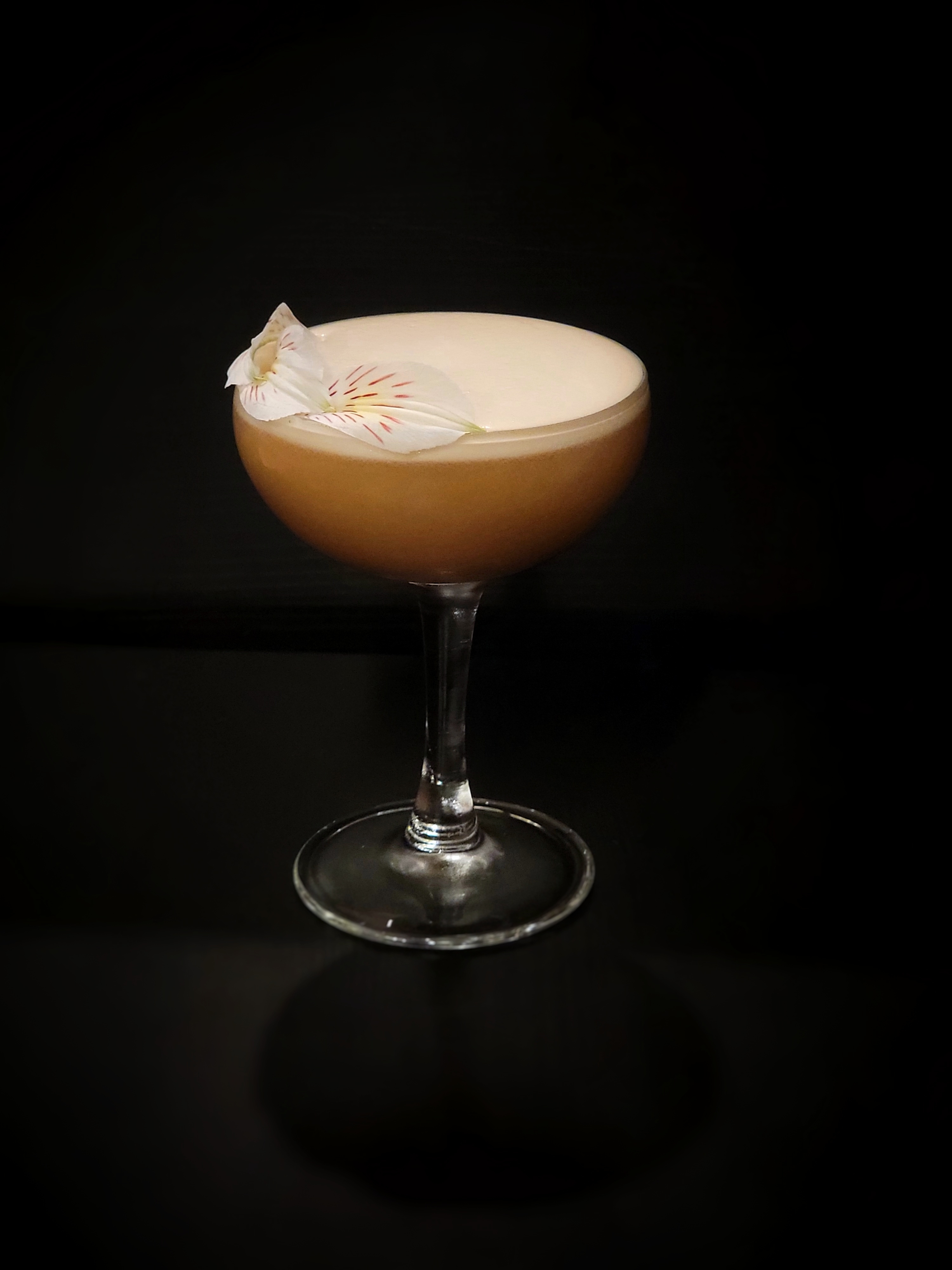
Add all ingredients except lemon peel to shaker and shake until well chilled. Double strain into a coupe. Express Lemon Peel oil over top and garnish with the peel cut into a cross.

* * * *

The Western Church is currently in the last days of the Church season of Epiphany, which is kind of a beautiful junk drawer of a season.

Advent/Christmas cover Jesus’ anticipation and birth, and Lent/Easter cover his death and resurrection. Epiphany covers everything in between. It starts with the Wise Men visiting Jesus (they weren’t at the manger!) and covers his ministry of justice. The key motif is light breaking through the darkness, waking us from our stupor, and preparing us for the repentance of Lent.

So if we want a cocktail that’s going to wake us up and mess us up, there’s none better than this espresso martini riff.

Continue reading

Plenary Indulgence | a cocktail for the All Saints Octave


Recipe

  • 1.5 oz Brandy
  • .5 oz Fig Syrup
  • .5 oz Dry Curacao
  • 1 Whole Egg
  • 3 oz Oktoberfest Beer
  • Garnish: Chocolate Peanut Butter Cup

Add all ingredients except beer to a shaker without ice. Vigorously shake longer than normal to emulsify the egg and get everything frothy. Add some ice and briefly shake again just until it’s cold. Double strain into a goblet and top with the beer. Drink alongside a peanut butter cup.

* * * *

Okay, this cocktail is just for fun. Just this year, I found out that Catholics extend the official observance of the All Souls’ and All Saints’ holidays to a full eight days to form the “All Saints Octave“. This is a time for Catholics to earn extra indulgences to help those in Purgatory.

Now, being a good, Reformation-steeped Protestant myself, and knowing that Luther specifically kicked off the Reformation this week partly to protest these very indulgences, I thought it’d be a good opportunity to celebrate my spiritual heritage in this by crafting a cocktail.

Continue reading

Dearly Departed | a cocktail for All Souls’ Day


Recipe

  • 1 oz Mezcal
  • .75 oz St. Germain Elder Flower Liqueur
  • 1 oz Dry Vermouth
  • .5 oz Dry White Wine
  • 1 dash Celery Bitters (optional)
  • Garnish: Olive

Add all ingredients to a mixing glass with ice. Stir until chilled and diluted. Strain into a chilled coupe and garnish with an olive.

* * * *

I can easily forgive you for not knowing that All Souls’ Day is different from yesterday’s All Saints’ Day. If yesterday was about honoring all the saints in the world today, today is about honoring all those that have died and gone on before us. (Together, these two days constitute Mexico’s “Day of the Dead”.) This day helps us honor our ancestors–both in blood and spirit–to feel their legacy, support, and presence in some way.

It also lends itself to rich symbolism for a great cocktail! This drink is made entirely of spirits (get it?). The Mezcal and celery bitters recall the darkness of death, while the olive brings to mind the salt of tears for those that have passed before us.

But the vermouth and wine bring complexity that reminds us there’s more to it than that. Death is not the end of the story. That’s when the saintly liqueur St Germain brings a bouquet of sweetness and brightness through the darkness. It’s a lovely, delicate, complex drink, like our spiritual legacy.

Continue reading

The Ordinary Time Daiquiri


Recipe

  • 2 oz Pineapple Rum
  • 1 oz Lime Juice
  • 1 oz Honey Sage Syrup
  • 1 bar spoon Mezcal
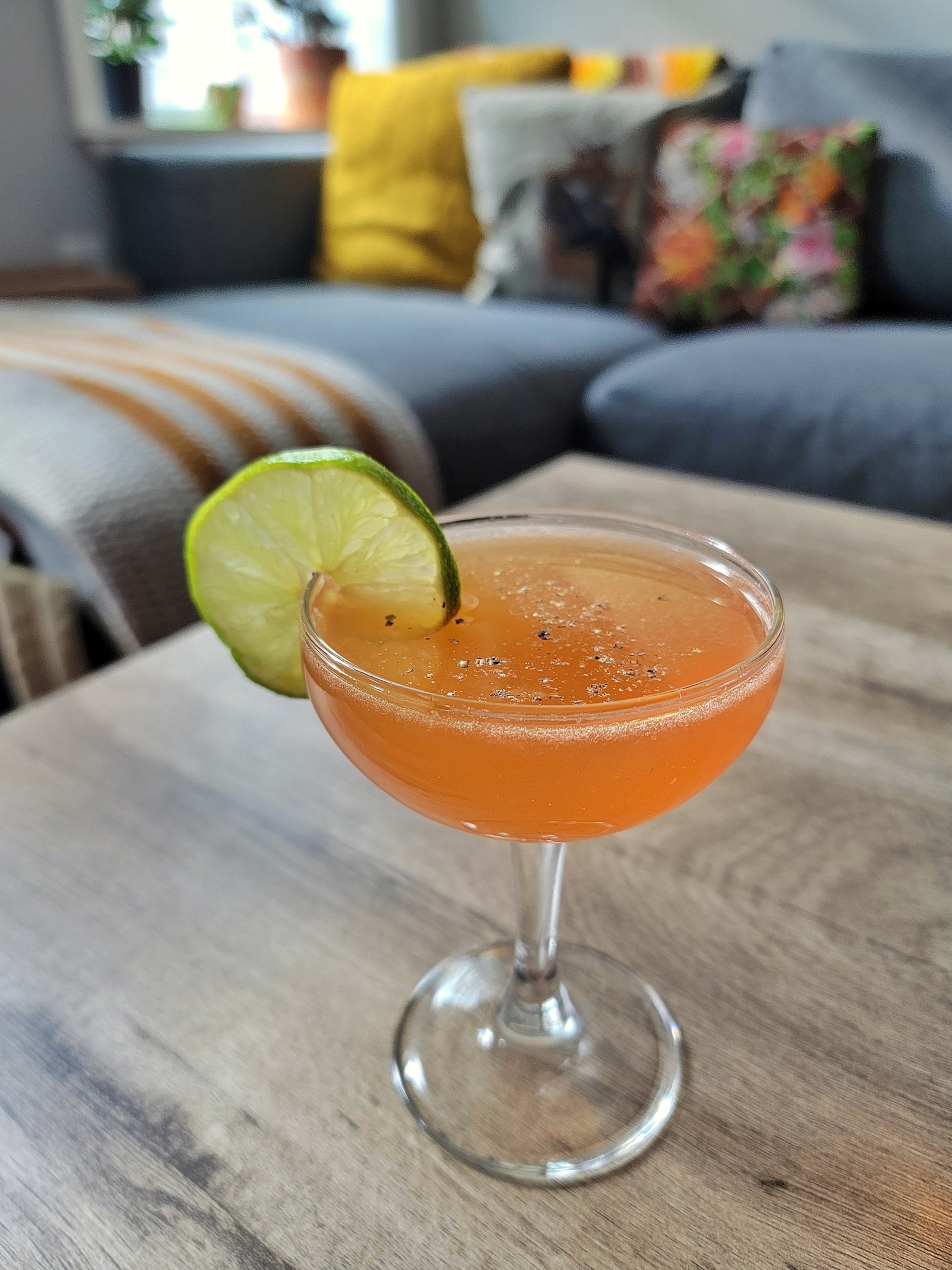
  • Garnish with Lime wheel and fresh cracked black pepper

Add all ingredients except garnishes to a shaker. Add ice and shake. Double strain into a chilled coupe. Add cracked black pepper on top and a lime wheel.

* * * *

We now find ourselves in the odd season called “Ordinary Time”. It’s the longest church season of the year and is full of small holy days, but does not have any real over-arching theme. Ordinary Time is a place to apply lessons form the other church seasons. It’s a chance to to infuse the sacred into our everyday “ordinary” life, and add our own spiritual twist on time that would otherwise be the same ol’ thing, day in and day out.

And I wanted to do the same thing in a drink. I wanted to take an “ordinary” drink that everyone knows–in this case, a daiquiri–and infuse some extra soul into it. Just as the church calendar encompasses a huge range of human experience and emotion, this drink tries to bring in a range flavors the create a lovely whole. And I think I did a really good job.

Continue reading

Bitter Betrayal | A Holy Wednesday Cocktail


Recipe

  • 1 oz Campari
  • 1 oz Montenegro Amaro
  • 1 oz Fernet Branca
  • 2 dashes Orange Bitters
  • 1 small ice cube (yes, it’s an ingredient)

Add all spirits into a small glass. Add one small ice cube and swirl until it is mostly melted. Enjoy.

View other Holy Day cocktails.

* * * *

I am doing a cocktail for each day of Holy Week based on the events that happened on those days. Today’s cocktail is really obvious, incredibly straightforward, and very, very good.

Holy Wednesday is the day that Judas betrayed Jesus. It’s a strange event in the gospels, with hardly any details. We don’t know Judas’ motives, why he was paid the amount he was, or the events leading to his betrayal.

The only details we get are that Jesus saw it coming, and the gospel writers saw this as one of the purest acts of evil and betrayal that’s ever been done.

So today’s cocktail tries to capture the bitterness of this betrayal–bitterness so great that it even ate away at Judas himself to the point of suicide.

So for this drink, I simply got the three bitterest ingredients I have, and threw them together with some orange bitters. And I am shocked how well it all came together.

The resulting drink is dark and complex, with both an herbal and fruit bitterness, and a bright pop of citrus and hint of mint. It is brash and subtle, all at once.

You will either love or hate this drink.

Continue reading

“Though the Fig Tree Not Blossom…” | A Holy Monday Cocktail


Recipe

  • 2 oz Brandy
  • 1 oz Lemon Juice
  • .75 oz Fig Syrup
  • .5 tsp Rose Water
  • 1 Egg White

Add all ingredients to a shaker without ice. Shake vigorously for 30-45 seconds. Add ice and shake again for 10-15 seconds. Double strain into a chilled coupe and garnish with flower petals.

View other Holy Day cocktails.

* * * *

Thursday through Sunday get all the attention in Holy Week, but significant and symbolic things also happened on the other weekdays. So I’m making a cocktail for each one.

On Monday morning, while on his way to the Jerusalem Temple, Jesus is hungry and sees a fig tree with leaves on it, so it should have fruit he can eat. This one does not. It’s also not the season for the tree to have leaves in the first place.

Jesus sees in the tree a symbol of the Temple itself. It has the outward appearance of bearing fruit but is barren, and it does not know its season. Likewise, the temple has become a place of commerce and routine, not realizing that now is the time of the Messiah.

God in Jesus is rejected by creation itself and his very temple, where the worship and prayer of his people ought to be. So Jesus curses this fig tree and clears out the money-changers in the Temple.

This cocktail tries to capture some of these themes. Its name comes from Habakkuk 3: “Though the fig tree does not blossom and no fruit is on the vines…yet I will rejoice in the Lord; I will exult in the God of my salvation.”

The grape brandy and soft texture hearken to the wine and solemnity of the temple, and the drink’s flavor is like a fig tree in bloom. But all this is–literally–soured by the lemon juice. It’s an unexpected drink that confuses the senses as you discern the flavors and the balance.

Continue reading

Palm Sunday Cocktail


Recipe

  • 2 oz Light Rum
  • 1 oz Lime Juice
  • .75 oz Toasted Coconut Syrup
  • .75 tsp Pandan Extract
  • 2 dashes Grapefruit Bitters
  • 2 dashes Rhubarb Bitters
  • .25 oz Jamaican Rum float (optional)

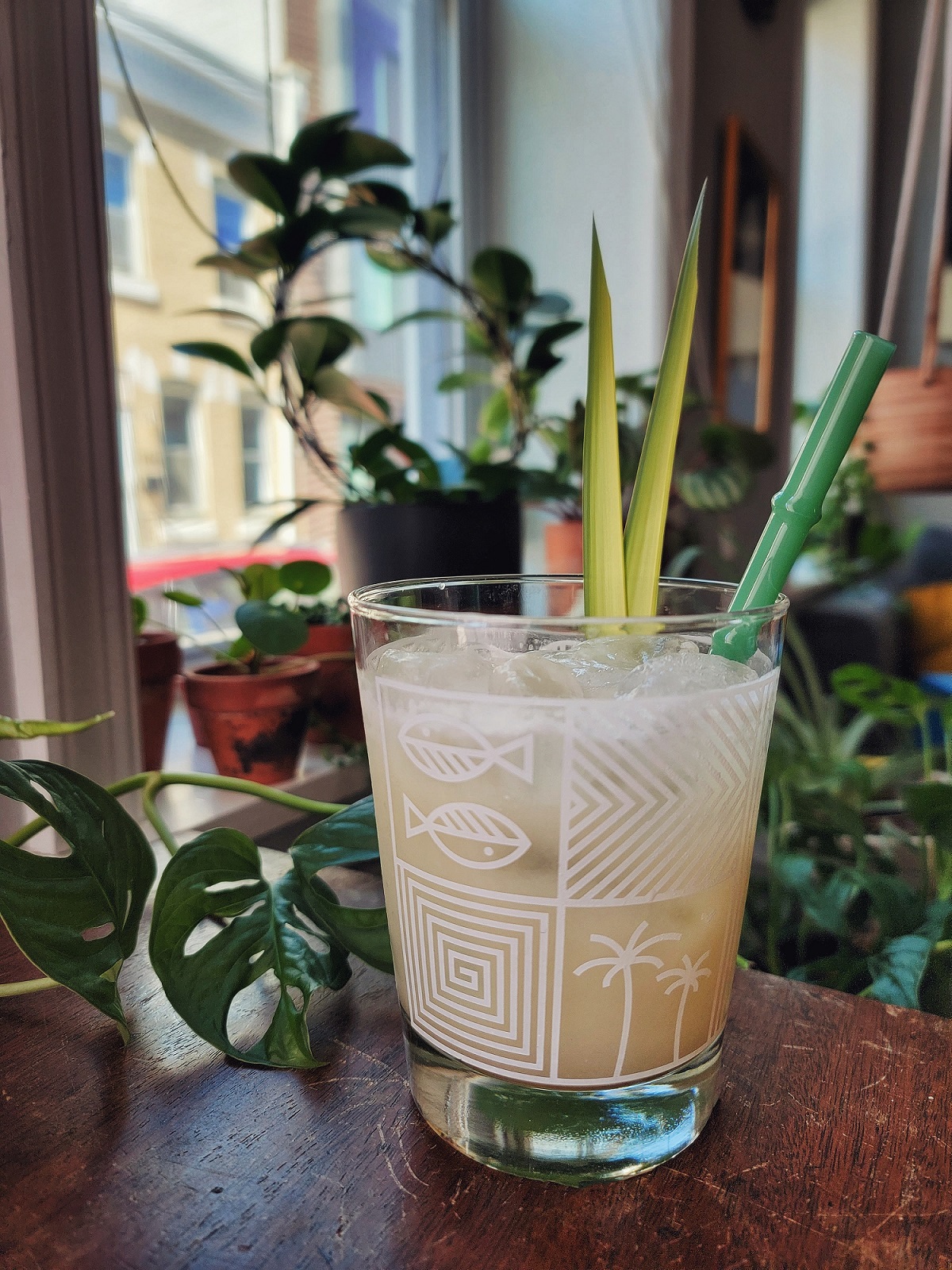
Add all ingredients (except the Jamaican rum) to a shaker. Add ice and shake. Free pour all contents into a glass and top with the remaining rum. Add a straw and garnish with pineapple or palm fronds.

View other Holy Day cocktails.

* * * *

It’s Holy Week, the most important and consequential seven days in all of human history, when Jesus suffered, died, and was raised. Each of these days carries significance, so I’m crafting a cocktail for each one.

But it all begins on Palm Sunday: a strange day full of hope, expectation, worship, and joy (and quite a bit of human misunderstanding). Lent is a season of brooding and fasting, but because Sundays are still feast days (and because of palms, of course) we’re doing a tiki drink!

On Palm Sunday, Jesus entered the city of Jerusalem in a way that symbolized to the Jewish people that he was their long-awaited king coming to rescue them from their exile.

The people come out and lay their coats and palm leaves on the road, ushering Jesus with fevered excitement and joy. However, while they thought he was coming as a violent, political, conquering king, he instead intended to save them from an even deeper spiritual exile.

I tried to capture these contrasts in this drink. It is a riff on a daiquiri, and is bright, refreshing, and tart, with multiple fruit bitters for complexity. However through the middle of it are these deep, heavier notes of toasted coconut and pandan. It’s a fantastic drink.

Blessed is he who drinks in the name of the Lord. Cheers!

Continue reading

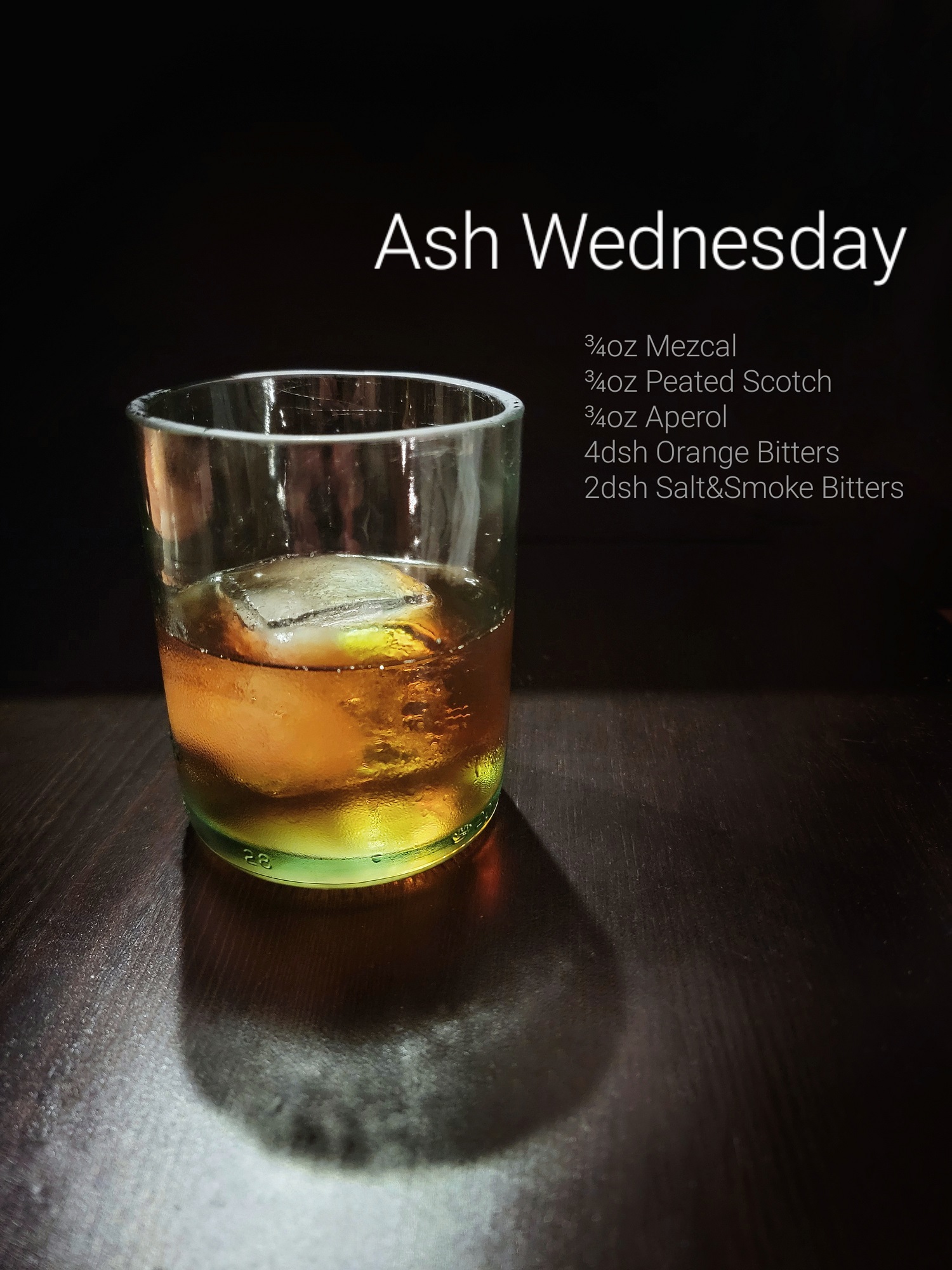
Ash Wednesday Cocktail


Recipe

  • .75oz Mezcal
  • .75oz Peated Scotch
  • .75oz Aperol
  • 5 dashes Orange Bitters
  • 2 dashes Smoke and Salt Bitters

Build drink in an old fashioned glass over a large ice cube. Stir all ingredients. No garnish.

* * * *

With a new church season, we have a new cocktail. This one is named after Ash Wednesday, the holy day that begins Lent.

Lent is a season of fasting, reflection, and repentance. We focus on our mortality, our sins, and the darkness in the world that led Jesus to the Cross.

Ash Wednesday specifically is a time that Christians have crosses drawn on their foreheads in ash as an outward sign of their internal awareness of their death and sins. It is reflective, somber, simple, elemental, and dark.

With that in mind, I crafted this cocktail, which is strong, dark, and smoky with a subtle bittersweetness underneath it all. It really is meditative and lovely, while also packing a real punch.

Continue reading

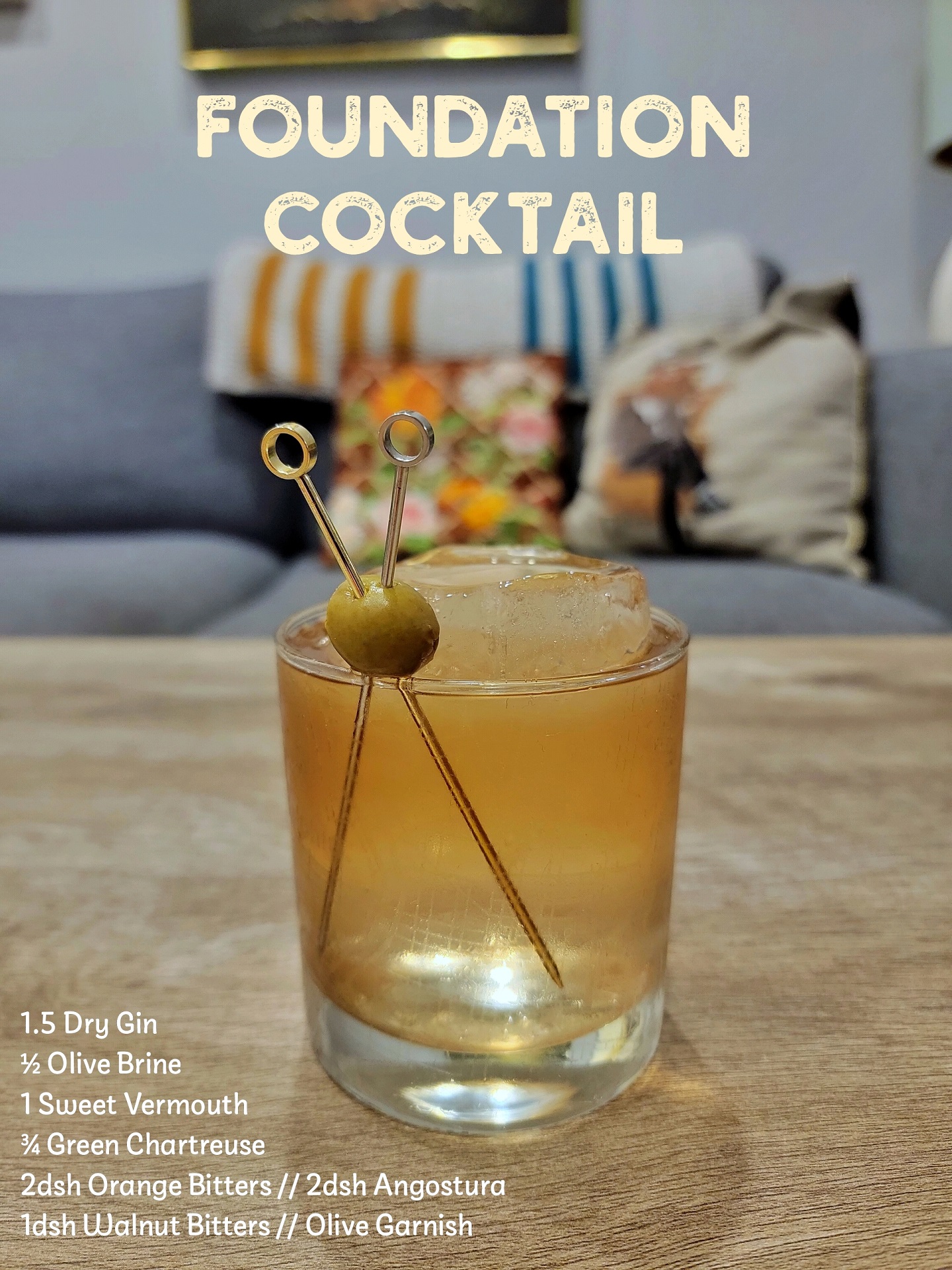
Foundation Cocktail (for the Feast of Peter’s Confession)


Recipe

  • 1.5oz Dry Gin
  • 1oz Sweet Vermouth
  • .75oz Green Chartreuse
  • .5oz Olive Brine
  • 2 dashes Orange Bitters
  • 2 dashes Angostura Bitters
  • 1 dash Walnut Bitters
  • Garnish with Olive

Thematically, you should build the cocktail in the glass with the ice, but this is a lot of liquid. So the other option is to stir all ingredients in a mixing glass and pour over a large ice cube and serve the rest in a sidecar glass on the side. Garnish with an olive speared by two picks.

* * * *

And on this rock, I will build my… cocktail.

January 18 is a multi-layered date in the Christian Church calendar. Primarily, it is a feast day to celebrate the moment when Peter confesses that Jesus is the Messiah. But a lot of other things happen in this same passage that are also included in this day.

Peter gets his name changed from Simon to Peter. Catholics would say that Jesus appoints Peter as the first pope here. Jesus also says the word “church” here for the first time, as he says he will build it on this “rock” of Peter, so this is also considered the honorary birthday of the church.

Lastly, the World Council of Churches chose this feast day as an appropriate kick-off for the annual Week of Prayer for Christian Unity. So like I said, it’s a lot, and so is this cocktail.

The drink is strong and maybe the most subtly complex drink I’ve ever made. It has a lovely progression from light saltiness in the front into a deep, quiet sweetness in the back. It’s an acquired taste, but one I’d proudly feature on a cocktail menu. So enjoy the drink while meditating on the church’s foundational moment and praying a prayer for Christian unity

Continue reading

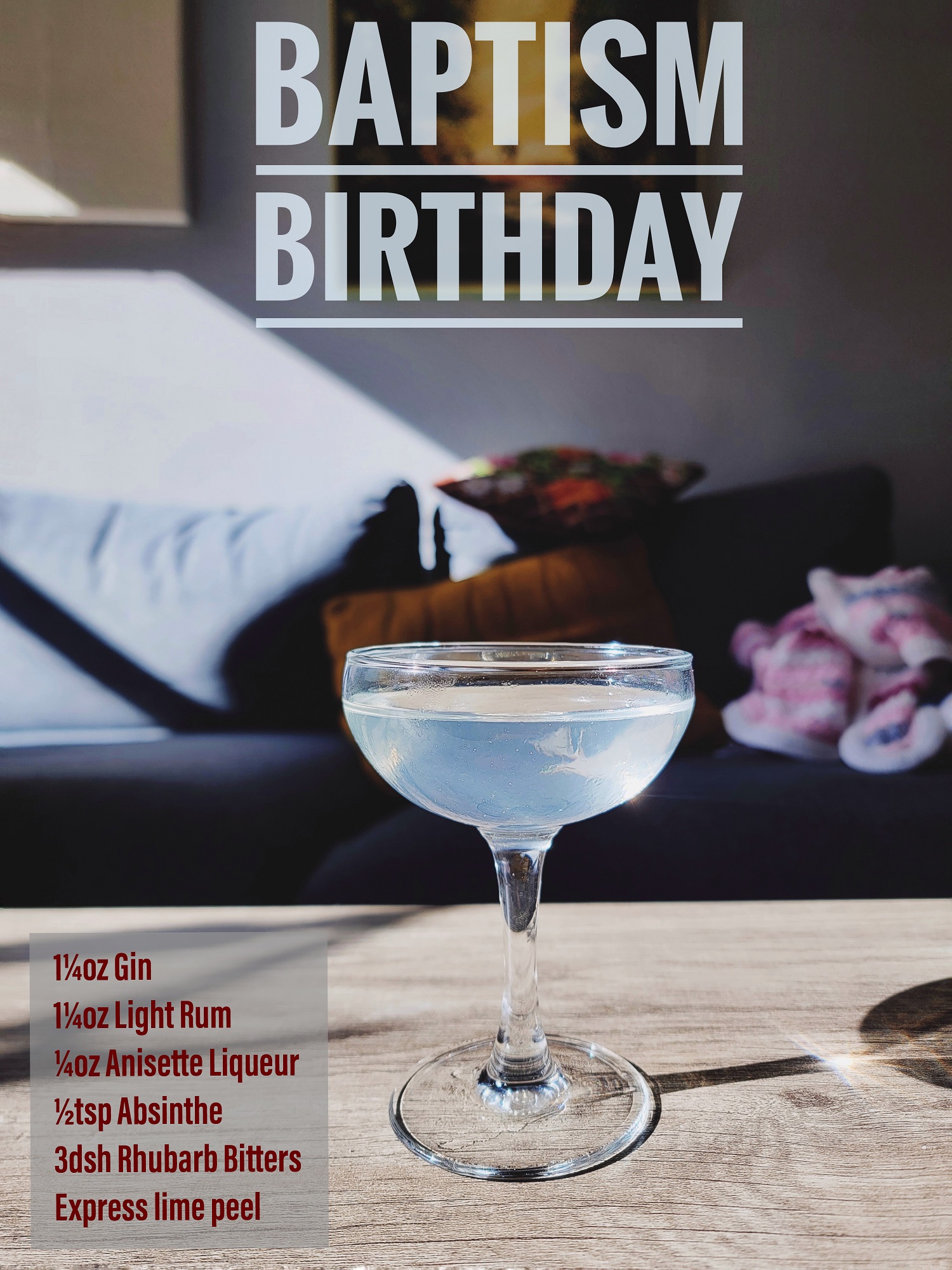
Baptism Birthday (a Holy Day cocktail)


Recipe

  • 1.5oz Gin
  • 1.5oz Light Rum
  • .25 Anisette Liquer
  • .5 barspoon Absinthe
  • 3 dashes Rhubarb Bitters
  • Express a lime peel over the top

Stir all ingredients in mixing glass and strain into a martini glass or coupe. Express the oils of a lime peel over the top. No garnish.

* * * *

For a several years now, I have celebrated my annual “baptism birthday” to reflect on my baptism, my membership in the family of God, and the seal of assurance God has on me.

It’s beautiful and meaningful, and it deserved a cocktail. And, seeing as yesterday was the Feast of the Baptism of our Lord, this seems like a good time to share it with you.

My goal was to make a drink like baptism–it looks like it’s just water but there’s a lot more going on.

Boy, did I succeed.

The drink is a lovely balance of floral and nutty with some herbal spice to it. These flavors really meld well together to create a complex bouquet of flavors that’s really striking (why don’t more drinks mix gin and rum!?).

This drink is a favorite of mine for its meaning, aesthetic, and taste, and I hope it can become that way to you. As you drink it, remember your own baptism and the promise of God to mark you and keep you as his child.

Ingredients

I used a juicy, citrus-forward, and very flavorful gin rather than a dry gin. For the rum, I used Maggie’s Farm White Rum, which is fantastic and has more character than most light rums, but whatever you have should work fine. Absinthe is an acquired taste, but it’s used in such small quantities and there are enough competing strong flavors that Absinthe-haters should not fear. It’s a lovely accent on the drink.

The only somewhat obscure ingredients are the bitters and liqueur. I supposed you could use orange bitters in place of rhubarb, but only if they are a very strong sweet orange flavor. The Fee Brothers Rhubarb Bitters taste almost like sweet tarts, with a unique strong burst of flavor (it’s especially delicious added to plain seltzer). So if you can get your hands on those, they’re worth your time.

Lastly, when most people think of Anise in cocktails, they think absinthe, but the liqueur is a very different beast. Absinthe begins with anise, but adds a lot of bittering agents. Anisette adds sugar, coriander, and other ingredients that make a very sweet, nutty flavor. So much so that you might be able to substitute Amaretto into this drink.

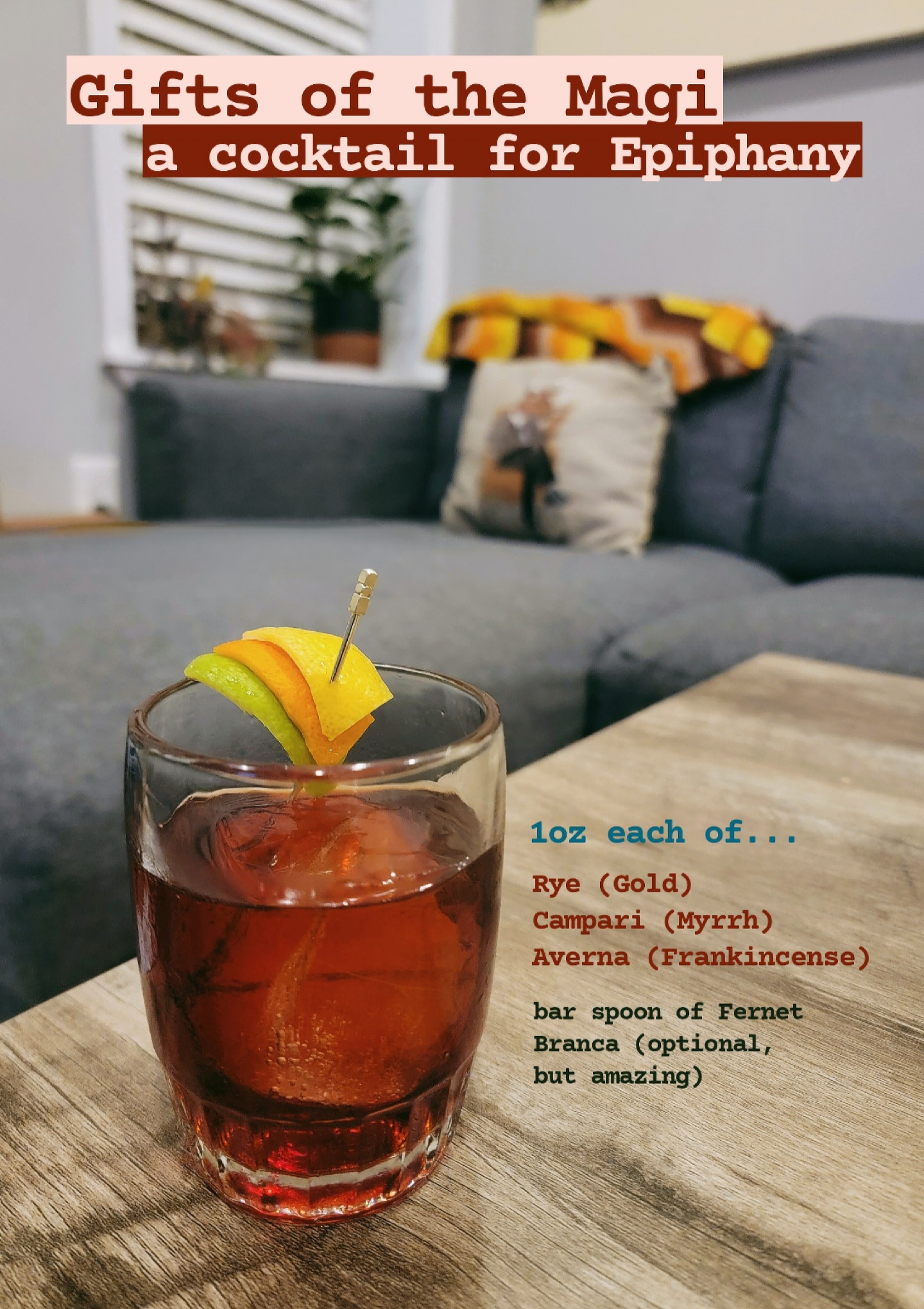
“Gifts of the Magi” (an Epiphany cocktail)


Recipe

  • 1oz Rye (for Gold)
  • 1oz Campari (for Myrrh)
  • 1oz Averna (for Frankincense)
  • .25oz Fernet Branca (optional)
  • Garnish with a trinity of Lemon, Lime, and Orange peels

Stir all ingredients in mixing glass and pour over fresh ice. Garnish with a peel each of lemon, lime, and orange.

* * * *

Tonight begins the season of Epiphany, a season that covers a lot of ground thematically and in the life of Christ. It begins January 6, with a celebration of the Wise Men visiting Jesus when he was three years old–and that’s what tonight’s cocktail is for.

At its core, it’s a riff on a Boulevardier, but wow is it good and different than the original. I think I prefer it. The Averna lends a lot of depth and complexity that vermouth often lacks.

The drink is in honor of the Magi. The Bible does not specify how many their were, but tradition says three. So we have here an equal three parts cocktail for each of the Wise Men’s gifts.

Rye gives its beautiful golden hue. “Myrrh” comes from the Aramaic word for “bitter”, so Campari it is. Lastly, my understanding is that Frankincense has a piney, sweet taste/aroma with a touch of orange, and this sounds a lot like Averna, my favorite amaro.

This drink is fantastic like this, but if you want an extra bit of depth and meaning, throw in a bar spoon of Fernet Branca which, to me, is the most “Epiphany” spirit out there–dark and bitter, with that bright minty note breaking through. I love it, and it complements the drink really well, though I know it’s an acquired taste.

Like this cocktail, I hope this season of Epiphany (and it’s interesting and unexpected melange of holy days) is one full of meaning, depth, and complexity for you. Cheers!

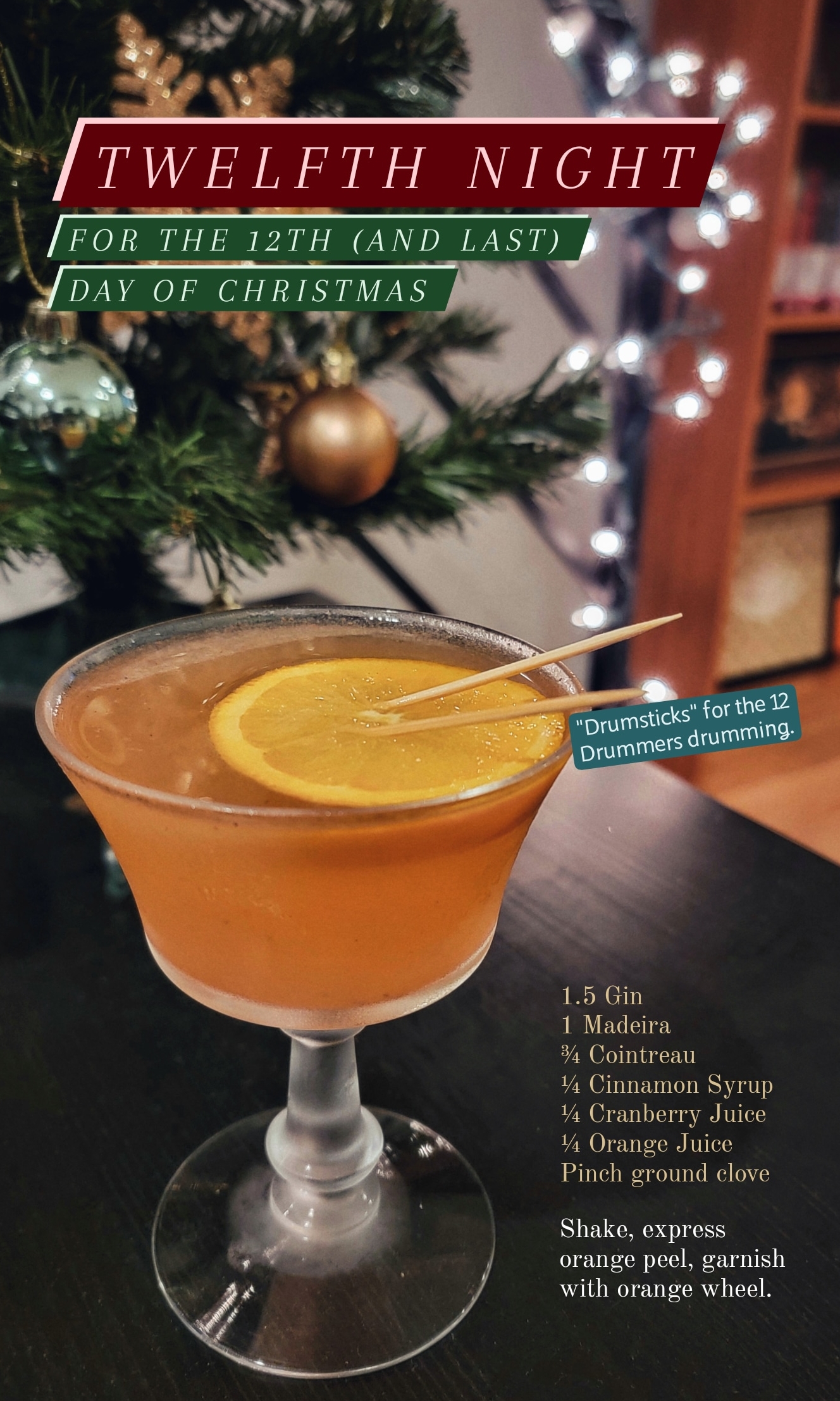
“Twelfth Night” (a cocktail for the last day of Christmas)


Recipe

  • 1.5oz Gin
  • 1oz Dry Madeira
  • .75oz Cointreau
  • .25oz Cinnamon Syrup
  • .25oz Cranberry Juice
  • .25oz Orange Juice
  • Pinch of ground clove
  • Orange Wheel garnish

Shake all ingredients, including the clove. Strain into a chilled coupe. Express an orange peel over the top. Garnish with an orange wheel and two toothpicks.

* * * *

The final night of the 12-day Christmas season is called “Twelfth Night”. It’s the last day of gift-giving, decorations, many food and drink traditions (including wassail!), and a Shakespeare play—and now I have a cocktail for it! And don’t forget the “drumstick” garnishes in honor of the song’s 12 drummers drumming.

This is an amazing Christmas cocktail. It has dark fruit notes, with a touch of brightness, and a lot of complexity and depth without being a “sweet” drink. It definitely straddles the line between a sipper and easy drinking. It is a slight variation of this drink in honor of the play.

The ingredients are mostly self-explanatory, except for the madeira. I don’t have a ton of experience with it, but I know there’s huge variation between the different types and brands. For this I used Broadbent Rainwater Medium Dry Madeira. Your mileage may vary depending on what you find. You may be able to substitute a port or even a dark sweet vermouth.

Enjoy this drink and have the merriest of final Christmas evenings before we head into the season of Epiphany!