St. Michael’s Vigil | a Michaelmas Espresso Martini


Recipe

  • 1.5 oz Espresso (or Cold Brew concentrate)
  • 1 oz Cognac
  • 1 oz Blackberry Liqueur (or Raspberry)
  • .25 oz Coffee Liqueuer
  • .25-.5 oz Green Chartreuse to taste
  • Optional dash of salt
  • Garnish: blackberry

Shake with ice until well chilled. Strain into a chilled coupe or martini glass. Garnish with the blackberry.

* * * *

September 29 is Michaelmas, the great feast of St. Michael the Archangel, now shared with Gabriel and Raphael. Once a major holy day in medieval Europe, Michaelmas was marked by parades, fairs, and feasting. An old Irish legend tells us that when Michael cast Satan from heaven, the devil landed in a blackberry bush, spat upon it, and soured its fruit. This led many people to eat blackberries on Michaelmas, but not after.

Michael himself is remembered as the protector of the Church, the one who drives back the powers of evil and bears the banner of heaven. He is the the governor of heaven — the holy counterpoint to Lucifer, the self-styled ruler of hell. And as befits a warrior feast day, we drink to those who fight for us and we strengthen ourselves for the spiritual fight ahead!

So why an espresso martini? Because this day is about wakefulness and vigilance. Michaelmas arrives as the nights grow longer, and it calls us to be alert: watchful against darkness, strengthened for the battles of the spirit. Espresso jolts us awake, both in body and in soul, a reminder that “the Church militant” does not sleep on its watch.

The cognac anchors the drink with warmth and gravity, evoking the dignity of heaven’s general. The blackberry liqueur brings both sweetness and bite, a nod to the old legend of the cursed bramble. The coffee liqueur evokes purgation and penitence. The green Chartreuse, the herbal elixir made by monks, brings angelic mystery to mind; it’s the holy herb garden of heaven condensed into liquid. Finally, the garnish: a blackberry skewered on a pick, recalling the sword of St. Michael.

Altogether, it’s dark and strong, sweet and energizing — exactly what a feast of archangels deserves. This is no gentle nightcap; it’s a drink for vigilance, courage, and joy in the triumph of light over darkness.

Raise your glass this Michaelmas—and do it before the blackberries turn sour.

Continue reading

Plenary Indulgence | a cocktail for the All Saints Octave


Recipe

  • 1.5 oz Brandy
  • .5 oz Fig Syrup
  • .5 oz Dry Curacao
  • 1 Whole Egg
  • 3 oz Oktoberfest Beer
  • Garnish: Chocolate Peanut Butter Cup

Add all ingredients except beer to a shaker without ice. Vigorously shake longer than normal to emulsify the egg and get everything frothy. Add some ice and briefly shake again just until it’s cold. Double strain into a goblet and top with the beer. Drink alongside a peanut butter cup.

* * * *

Okay, this cocktail is just for fun. Just this year, I found out that Catholics extend the official observance of the All Souls’ and All Saints’ holidays to a full eight days to form the “All Saints Octave“. This is a time for Catholics to earn extra indulgences to help those in Purgatory.

Now, being a good, Reformation-steeped Protestant myself, and knowing that Luther specifically kicked off the Reformation this week partly to protest these very indulgences, I thought it’d be a good opportunity to celebrate my spiritual heritage in this by crafting a cocktail.

Continue reading

3 Trinity Cocktails for Trinity Sunday


Recipes

For all three drinks: stir all ingredients with ice in a mixing glass. Strain into a chilled coupe. Add the garnish. Unless specified, the numbers are in ounces.

Trinity Cocktail (1930)
– 1 Gin
– 1 Dry Vermouth
– 1 Sweet Vermouth
– Garnish with Lemon twist

Trinity Cocktail (1948)
– 2.5 Blended Scotch
– 1 Dry Vermouth
– .25 Apricot Liqueur
– .25 Creme de Menthe
– 1 dash Orange Bitters
– Express orange peel, discard
– Garnish with cherry

Sainte Trinity (Holy Trinity)
– 2 Cognac
– .66 Elderflower liqueur
– .5 Green Chartreuse
– 2 dashes Oranges bitters
– Lemon peel to express and garnish

* * * *

The first Sunday after Pentecost is known as Trinity Sunday. It was created to foster devotion and counter anti-Trinitarian heresies, so some strong, punchy drinks are in order. As I thought of this, I had in mind Michael Foley’s words in the book that inspired my entire holy day cocktail endeavor:

“The ideal cocktail honoring the Trinity would reflect the procession of the Son from the Father and the procession of the Holy Spirit from the Father and the Son, with three equal ingredients made from the same ingredient, the second ingredient being derived from the first and the third derived from the first and second. And, of course, the mere taste of it would induce the Beatific Vision. But since no such concoction exists, we give you what the bartenders’ guides call a Trinity Cocktail.”

Continue reading

Triduum | a Holy Weekend cocktail


Recipe

  • 1 oz Whiskey
  • 1 oz Cognac or Brandy
  • .5 oz Gentian Amaro
  • .5 oz Green Chartreuse
  • 2 dashes Salt & Smoke Bitters
  • 2 dashes Orange Bitters
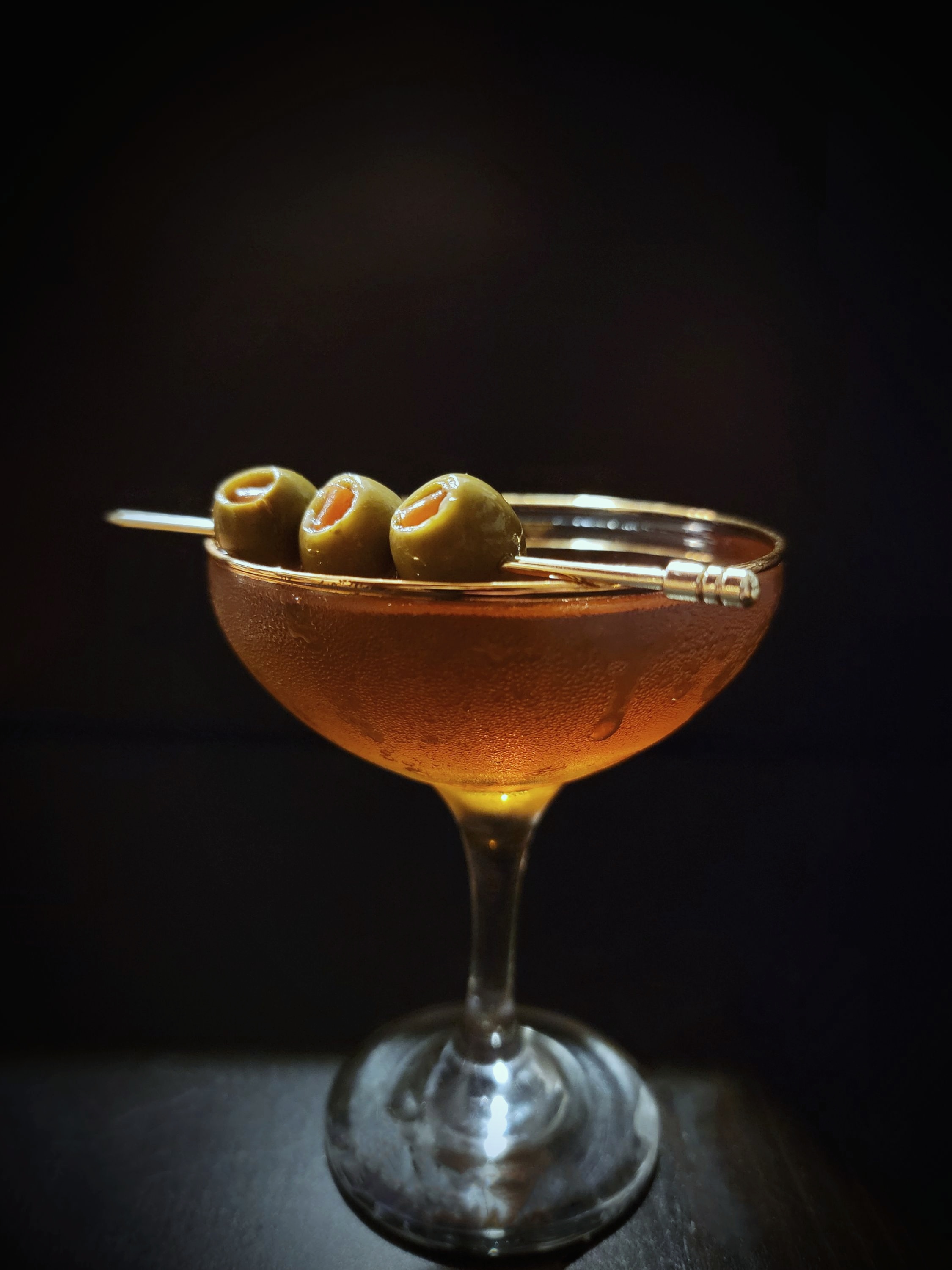
  • Garnish: 3 Olives

Strain all ingredients in mixing glass until very chilled and extra diluted (45-60 seconds). Strain into a chalice, wine glass, or coupe. Garnish with three olives on a cocktail pick.

View other Holy Day cocktails.

* * * *

I’ve been doing one cocktail for each day of Holy Week, but the three days starting with Maundy Thursday are there own special holiday, called the Paschal Triduum (the “three” days are from Thursday night to Easter morning). So I’m offering a bonus cocktail for this weekend.

This drink is boozy with an herbal sweetness, with a touch of sweetness.

Similar to my Maundy Thursday cocktail, the whiskey and cognac/brandy are for the bread and wine of Thursday. The smoke and amaro are for the darkness and blood of Friday. The chartreuse hearkens burial herbs and the quiet, restful devotion of the monks who still make it to this day. The orange bitters hint at the Easter brightness to come.

The three olives are for each day of the Triduum. They also remind us of the Mount of Olives, as well as the saltiness of tears in both the Passover meal and crucifixion witnesses.

Continue reading