I saw this post on my friend Kait Dugan‘s Facebook profile and had to post it up here and let everyone get in on the fun. The real highlight for me was the alternate captions put up by Kait’s friend Matthew Beale. Here is the original caption, Matthew’s, and then an open invitation to offer your own. Have fun!
jesus
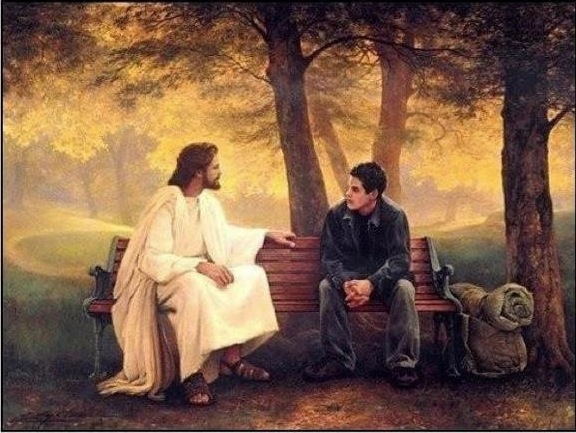
A Death Penalty Follow-Up
 Last week, I wrote a post about the recent case of Troy Davis and how this had inspired me to rethink and reconsider my position on the use of Capital Punishment by the government to punish those convicted of crimes they deemed worthy of such a response. In my attempt to be nuanced, I fear I may have given a wrong impression of where I stand now.
I think some people may have walked away from the post thinking that I believe that the government should have the right to bring the death penalty to bear upon some criminals, but Christians shouldn’t actually do it (or something like that). This isn’t quite the case.
Let me restate what I’m thinking even more clearly and simply: I don’t see a justification for Christians supporting the use of Capital Punishment by the government in any case.
Troy Davis, Capital Punishment, & the Death of Conscience
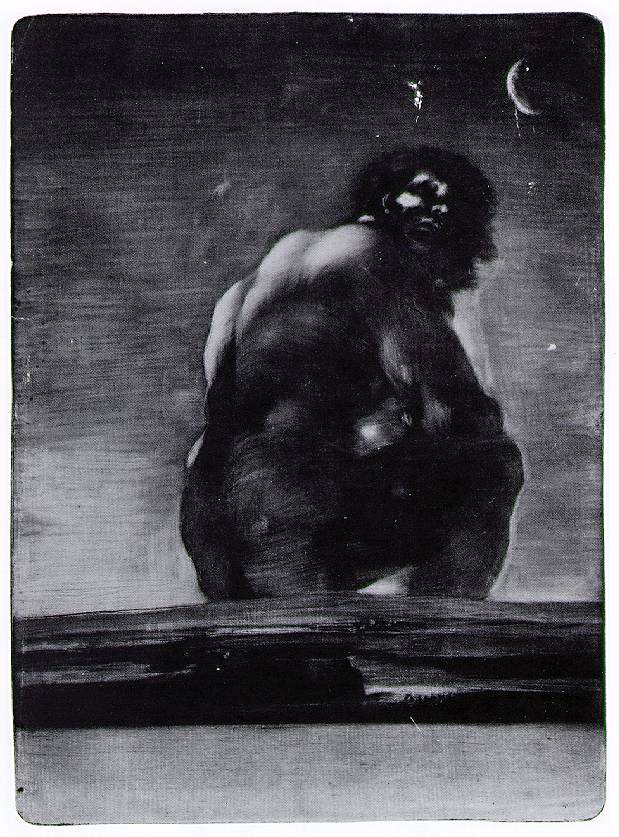
 This is a tough one to write. And it’s long. I broke almost all of my personal blogging rules in this, but I just need to get this out. I’ve spent the past two days with this post and it’s central ideas rolling around in my head and even now as I sit to type, I have little knowledge how it’s all going to come out.
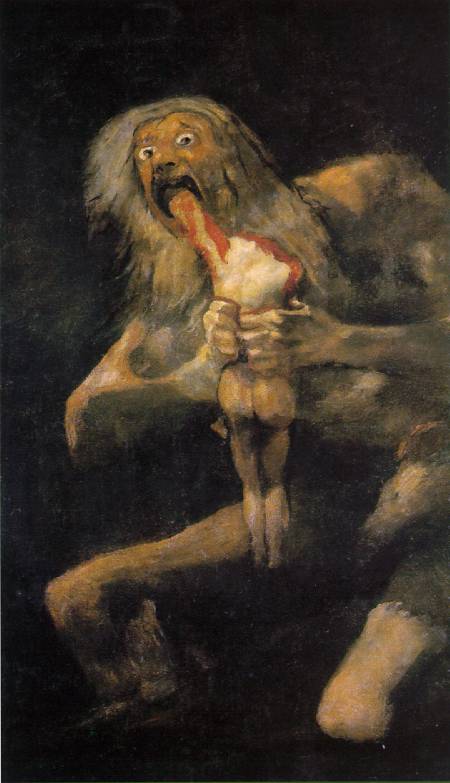
Today, for the first time in my young life, I shed tears for a man that was executed at the hands of the State. Two nights ago, Troy Davis was finally executed in Georgia for the 1989 murder of an off-duty police officer. Questions still abound concerning his guilt and innocence, the politics at play in the various boards and courts that refused to change their minds, and the calcification of a seemingly dispassionate justice system that renders helpless the voices of those it presumes to protect. This New York Times article perfectly captures the complexity and tension that exists right now over this topic.
Continue reading
Of Robes & Righteousness
 Yesterday I went to two church services. The first was my home church, where I participated in one of the best services we’ve ever had (oh, Communion was so sweet!); the second was the church of one of my closest and dearest friends. I could have just met up with him after his service, but I decided to go anyway. Why?
I thought I was looking pretty good yesterday.
Of course, this wasn’t the only reason I went (it’s an amazing church and I’d definitely go there if liberti weren’t around), but it was a real factor. People had spent that morning complimenting me, and I both appreciated and enjoyed it. And so, I wanted to be seen. (Surely all of us have experienced this sometime, right? Come on, I’m just trying to be honest.)
During the service, I found myself thinking about this. There is a constant conflict we have with our embodied selves and the garments that clothe them. I’ve spoken of this tension before and how our responses to it often betray a hatred we seem to have for our bodies. Our clothing both reveals and conceals at the same time; it communicates things about us all the while hiding our greatest intimacies.
to “why?” is human, to “what” is divine
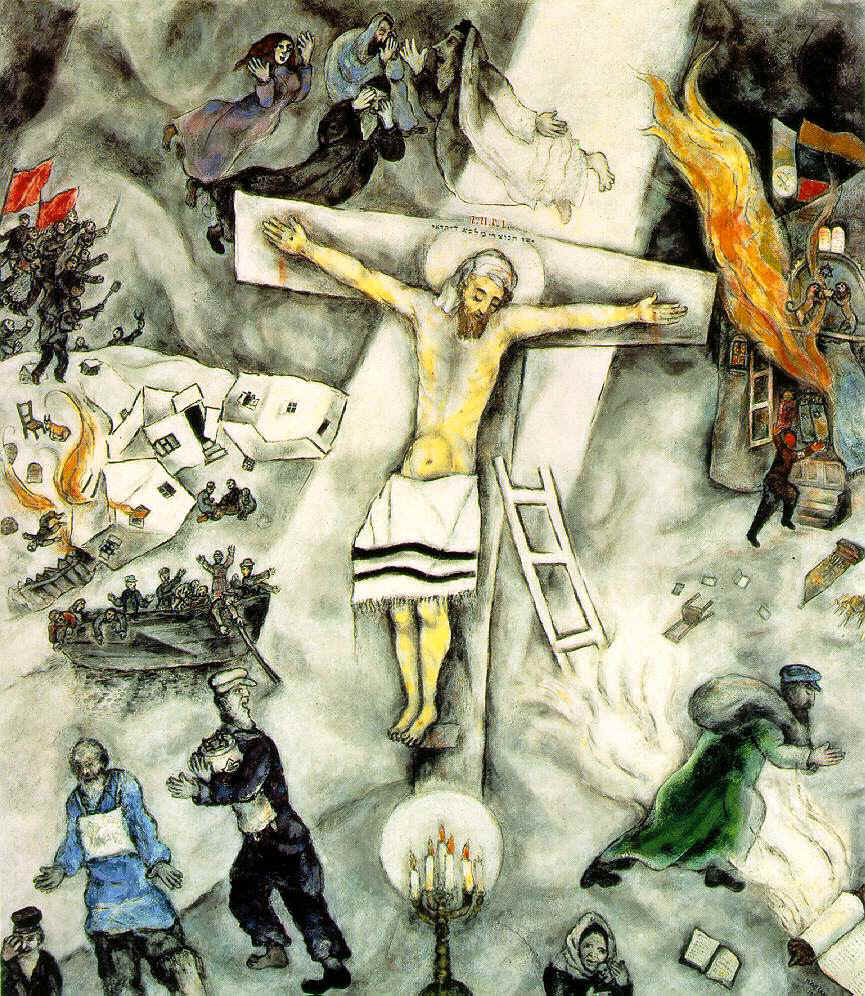 One of the most impacting moments of Terrence Malick‘s Tree of Life is this moment where the son in the film prays to God: why do I have to be good if you’re not? Shortly after, there is this beautiful shot where the camera zooms in on the silhouetted back of the boy as he stands in an open door. As the camera approaches, we get a voice-over from the grown-up version of this child saying: Father, why do you hurt us? This moment is so powerful because you don’t know if he’s talking about his earthly father or his Heavenly one.
Fast-forward. The other day, as I was looking through The Economist and reading on all the loss, debt, crisis, and violence in the world, I noticed I kept having similar fleeting prayers go through my mind: why did that happen? or why did it have to be that way?
Neither the son in Tree of Life nor I found answers.
the cry of an anguished lover (may it be mine)
O my folly! The world of my plans, how narrow, and bare, and stale it is! And the world which breaks my plans, how living, and various, and wide, and glorious it is! And from every point in it a providence bears upon me, to make me the man you intend: here a claim, there a discipline, here love to cherish, there enmity to vanquish, and everywhere Christ.
“Be not anxious”, says Christ, not that he may make us careless, but that he may lift our faces out of the book of our calculations and sweep the cobwebs of self-obsession from our eyes. If I gave my attention to your handiwork, I should become your handiwork. Make me open to each thing and person in their turn, that I may not only love them, but be directed through the providences which speak in them.
—Austin Farrer
Mark’s Endings, the Church’s Beginnings, & History’s End
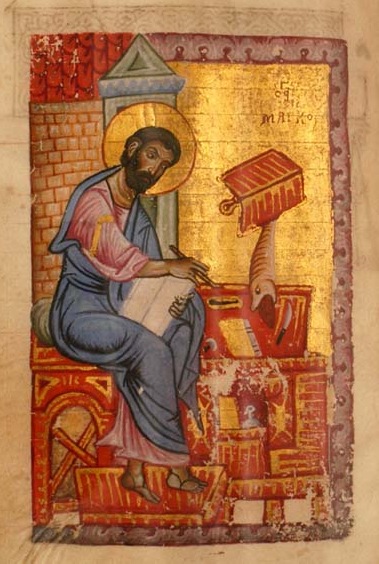 Having recently finished my own personal study on the Gospel of Mark, I just had a few thoughts on the ending of the book, what it meant for the early church, and what it means for us today. So, first, if you’ve never read the last chapter of Mark, let me encourage you to do so here.
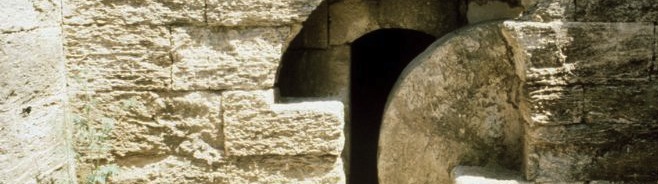
You’ll see it’s really weird. There are reasons why most sermons on this part of Jesus’ story don’t often come from this book. It doesn’t have an actual Resurrection account. There seems to be some humor (the ladies ask “who’s gonna roll away the stone when we get there?” They look up and it’s rolled away and Mark adds, “it was very large”). The angels say “tell the disciples and Peter about all this”, but the women are scared and don’t say anything. And then it just ends (assuming the last part isn’t original, as we’re about to talk about). The ending seems to not carry with it the same reverence, awe, gravity, and seriousness of the moment that other Gospels seem to have. It’s almost playful. As far as Gospel accounts go, it’s definitely odd.
Continue reading
Making the Father Real (when you don’t feel it)
 Late last night I finished my own personal study through the book of Mark. I wrote about my love for this book a while back in light of some reflections on Ash Wednesday, and having finished it again, it was confirmed once more that this indeed is my favorite Gospel.
As I was ending it, I really wanted to see my Father in these words and be moved by Him. This last stretch I read was from Jesus being handed over to Pilate through the Resurrection–arguably some of the most dramatic and supposedly heart-string-pulling moments for the Christian. I mean, Our Lord is being unjustly mocked! He is being crucified! He’s being raised!
And yet, I felt nothing beyond the scan of my eyes upon the page offering the simple intellectual reminder of these events.
Continue reading
Interpreting & Applying Proverbs (thoughts on Proverbs 10:12)
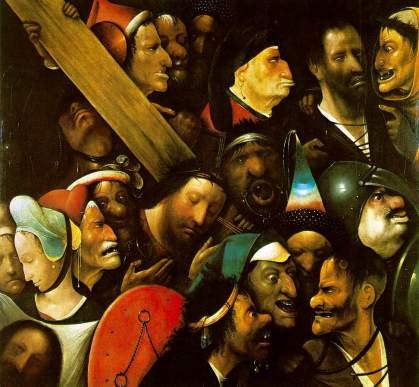 Proverbs is always such a weird book to try and apply to your life. The theme of the book is what? Wisdom. Is it teaching wisdom to give people a bunch of cookie cutter situations and tell them how to act? No.
In Proverbs 26:4-5, we see two Proverbs back-to-back that say opposite things. One says “Answer not a fool according to his folly, lest you be like him yourself”. The very next verse says “Answer a fool according to his folly, lest he be wise in his own eyes”.
Long story short, all of the book of Proverbs flows from Chapter 1, which talks about the fear of the lord being the beginning of wisdom. Those two contradictory proverbs show us that the book is not meant to be a cut-and-paste sort of thing. It’s not the case that a fool could simply read it, start acting like the “wise man” found throughout Proverbs and suddenly be wise (how would he apply those two verses above?).
Wisdom comes not from doing the things the wise man does, but by being the kind of wise man who fears the Lord and can discern what response to use in a given situation at the right time.
Continue reading
The Scandal of Holy Week {v}: conclusion & benediction
As I said in Part 1, this series was originally given as a sermon to a group of prisoners attending my church’s prison ministry. This is the conclusion and benediction I gave them at the end. This post picks up right after the end of Part 4, where we listed out practical ways that Jesus prepares his disciples for them forsaking him and the ways he reveals himself to already-wayward disciples, thereby calling them back to Him. I encourage you to read the other parts of this message: Part 1: the forsaking of God; Part 2: the Grace of Jesus; Part 3: the limits of Grace?; Part 4: the restoration of disciples; Part 5: conclusion & benediction]
Conclusion
These are not guarantees: all these different practical things I’ve mentioned are not the “magic formula” for how to restore your faith if you feel you’ve lost or forsaken it. Sometimes none of these things are necessary; the Centurion did not seem to have any of these things. Sometimes, you’ll do all of these things for years–decades, even–and nothing will change.
All I can tell you is that He is worth it. The God of Holy Week is a God worthy to be wrestled against for years and years and years and years until he finally meets you, even if it is for the briefest of moments before slipping away back into frustration, doubt and sin.
Continue reading
The Scandal of Holy Week {iv}: the restoration of disciples
 [Update: this series has been completed. Part 1: the forsaking of God; Part 2: the Grace of Jesus; Part 3: the limits of Grace?; Part 4: the restoration of disciples; Part 5: conclusion & benediction]
In Part 1 of this series, we saw that we will all forsake Jesus many times in our lives, just as the disciples did on the Thursday night of Holy Week. In Part 2, we saw that in light of this abandonment, Jesus responds to those that forsake him by being unconditionally and unlimitedly gracious towards them in their forsaking of him. In Part 3, we looked at just how scandalous and beautiful this grace is and how and why we often try and limit it. Today, we give practical ways that we can prepare ourselves to come back to our Lord, even after we have forsaken him in our own “Thursday” seasons.
As we saw in Part 1, Holy Week was a week-long process in which everything–creation, creatures, and God Himself–all forsook Jesus, turning their back on him. We’ve said several times now that true disciples of Jesus are not those that never forsake Jesus, but they are those that after forsaking him, turn back. And so, to help us see how we do this, let’s look at the first person in this story to turn back.
The Scandal of Holy Week {iii}: the limits of Grace?
[Update: this series has been completed. Part 1: the forsaking of God; Part 2: the Grace of Jesus; Part 3: the limits of Grace?; Part 4: the restoration of disciples; Part 5: conclusion & benediction]
In part 1 of this series, we looked at the original Holy Week and saw how everything and everyone has and will forsake Jesus. We said that “Thursday”–the day when the disciples forsook Jesus–will come for every disciple. In part 2, we saw that Jesus, as he relates to those that have forsaken him and those that will do so, responds and relates to them on the basis of pure, unfettered grace. Today we look at why this matters and what it looks like in our lives.
We’ve seen that every disciple will forsake Jesus, but the true disciples of God are the ones that come back after they have left him. And further, it is my contention that what brings people back is not fear, not Law, but the unbounded and free Grace of Jesus.
But let’s be honest–this process can be a long one. It can be months, years, or even decades before these true disciples of God return to Him. People can go very far down the path of sin’s temptations, and still be Christians. In fact, any of us can go very far down the path of sin’s temptations and still absolutely be beloved, regenerated, Christian children of God.
Continue reading
The Scandal of Holy Week {ii}: the Grace of Jesus

[Update: this series has been completed. Part 1: the forsaking of God; Part 2: the Grace of Jesus; Part 3: the limits of Grace?; Part 4: the restoration of disciples; Part 5: conclusion & benediction]
Last week, we saw how Holy Week, kicked off by Jesus’ “Triumphal Entry” into Jerusalem, was merely the beginning of a series of events that led to everything around Jesus forsaking him. We went on to ask how disciples of Christ might avoid their own version of “Thursday”–the night the disciples betrayed and forsook Jesus. The reality is, though, that every disciple of Christ has, does, and will forsake Jesus many times over. And so, the proper question to bring to Holy Week is not “how might I keep myself from forsaking Jesus”, but rather “how does Jesus respond to those–including myself–that will end up forsaking him?” I went on to say
“The answer I want to fight for? Jesus responds to all of our forsaking him with pure, unadulterated, offensive, and scandalous Grace. My main point in this message is this: A disciple is not someone who never forsakes Jesus; it’s someone who, after forsaking him, comes back.“
Today we will look back at Holy Week to see the ways that Jesus demonstrates this scandalous Grace to those that have and will turn their backs and abandon him.
Continue reading
On Holy Saturday: “Better Your Arms Around Me (Penelope’s Window)” (a poem)
_____________________________________________________
Better Your Arms Around Me (Penelope’s Window)
You know why I’m standing here.
You know what I’m going to say.
The look behind your eyes betrays you.
Your sleeping head goes away.
Dreams lie as you do;
Dreams lie all night;
like you do.
Pacing back and forth on Friday,
Before you lay these words in my head.
Hoping my closed mouth mined gold
to give you, to give you.
Continue reading
The Scandal of Holy Week {i}: the forsaking of God
 [Update: this series has been completed. Part 1: the forsaking of God; Part 2: the Grace of Jesus; Part 3: the limits of Grace?; Part 4: the restoration of disciples; Part 5: conclusion & benediction]
This Palm Sunday I had the honor to preach at the prison ministry that my church does. It was amazing. I love those guys so much. My message was scrawled in my journal in outline form, so this will be only a rough and condensed manuscript of what was said. I hope you find it beneficial as you navigate these murky waters of life and spirituality.
“As they approached Jerusalem and came to Bethphage and Bethany at the Mount of Olives, Jesus sent two of his disciples… When they brought the donkey to Jesus and threw their cloaks over it, he sat on it. Many people spread their cloaks on the road, while others spread branches they had cut in the fields. Those who went ahead and those who followed shouted, ‘Hosanna! Blessed is he who comes in the name of the Lord! Blessed is the coming kingdom of our father David! Hosanna in the highest heaven!’” —Mark 11:1,7-9
This event is traditionally called the “Triumphal Entry”. It is when Jesus enters into the city of his people in such a way that confirms the suspicions of those around him: he is Messiah; he is King; he is Lord. But we also see that this Palm Sunday begins a week-long process of everything around Jesus forsaking and turning their backs on him, making this a very strange “triumphal” entry.
 the long way home