Advent & Longing for Home


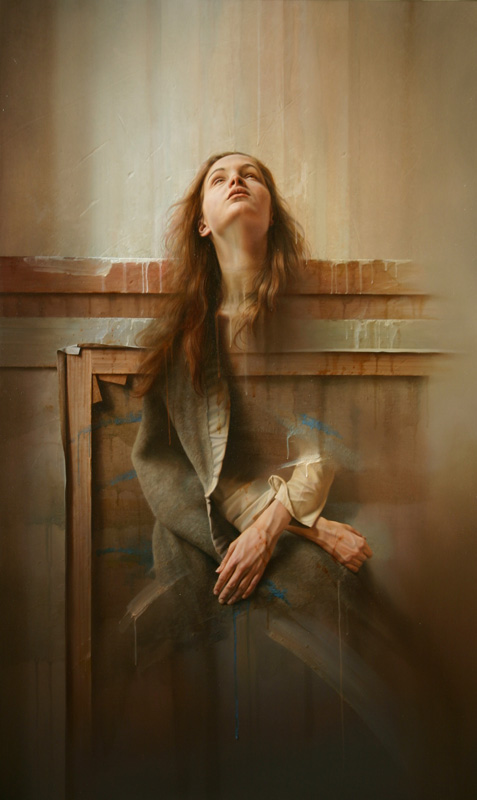
Sandorfi-MadeleineThis is the meditation I wrote that appears in a reading and reflection in Liberti Church’s Advent 2013 Prayerbook, which can be downloaded for free.

There is an incredibly profound way in which we don’t feel at Home in our own humanity.

Too often, Christians see their own personal spiritual growth as a loss, a lessening, or an abandoning of their own humanity. This can lead us to subtly use people and things to try and find our soul’s Home. And so we awake to find anxiety, manipulation, doubt, guilt, and self-loathing ruling and reigning so many parts of our lives and relationships. (Am I alone in this?)

We can sometimes think of Christianity as a process of our souls leaving the “Home” of their weakened humanity and finding a “new, spiritual Home” in Jesus. The logic goes that you were originally one way, then Jesus “saved” you, and now you are able (and are commanded) to be something else, now that you are His.

But Advent radically flies in the face of this.
Continue reading

Advent & Hoping for Justice


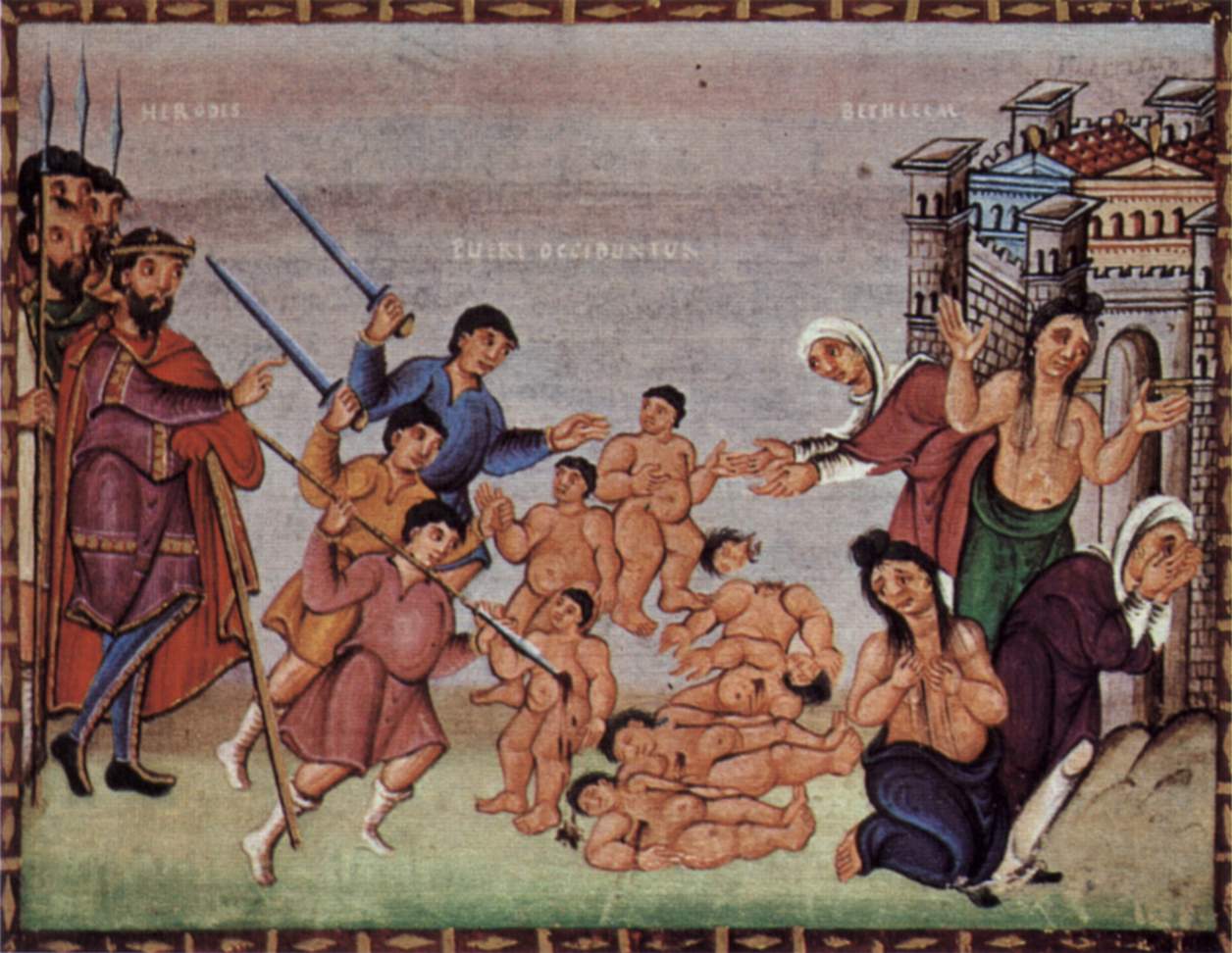
Massacre-of-innocentsThis is the meditation I wrote that appears in today’s reading and reflection in Liberti Church’s Advent 2013 Prayerbook, which can be downloaded for free.

First, a question.

Think back on the Christmas story. After Jesus is born, when he’s about three-years old, King Herod puts out a decree calling for the death of all infants, trying to kill Jesus. An angel comes to Joseph in a dream and tells him to flee to Egypt to prevent Jesus from dying in this slaughter.

Here’s the question: why flee to Egypt?

If they stayed and Herod killed the child Jesus, wouldn’t that still be the Son of God dying unjustly at the hands of a Roman provincial governor? Why go to all that effort to wait 30 years later for the same thing to happen on a cross?
Continue reading

Advent & Hoping for Peace


Rothko-untitled-2This is the meditation I wrote that appears in today’s reading and reflection in Liberti Church’s Advent 2013 Prayerbook, which can be downloaded for free.
This world is anything but peaceable. Humanity is constant in its injustice and wickedness inflicted upon one another across this world. It makes you wonder if “humane” is a misnomer. And we can’t just blame all of this on free will, either. The natural world rages against us with its own violence with staggering regularity. And all of this hits home the most when it’s those closest to us that suffer under this world with little peace on hand.

We look at all of this and ask that oldest of questions: “Why?” But when we open the pages of Scripture, we don’t find answers to this seemingly core thread running through our existence. The God of the Bible seems far more concerned with answering “what” questions than “why” questions–what is the nature of reality? what is the problem with the world? what is the solution?

But there is good news for all of us that struggle against the violence of this world: Advent.

In Advent, God does not merely see our why‘s and disregard them as silly and human; he does not simply leave us to our own to wrestle and struggle and doubt. He doesn’t answer our whys. He simply looks at us and the world with compassion, acknowledges to us the way things are, and rolls up his sleeves to address it.
Continue reading

Hey Philly! I’m hosting an epic House Show on Friday. You should come.


birdhouse-show

I’ve been a little busy recently, but I thought I’d drop a quick post and let everyone in the Philly area know that I’ll be hosting a house show at my place this upcoming Friday at 7pm. There will be opera, fiddles, harmonies, sing-a-longs, food, drink, cider, cheer, and merriment. (Oh, and maybe a little celebrating for my recent engagement.)

It’s been far too long since the last time we had one of these shows, but each has been better than the last. It all started when I first moved into this house in Center City Southwest, and we noticed that there were some birdhouses nailed to our back patio fence (above). And so, The Birdhouse was born, and the music followed shortly thereafter. This time around, we’re having the following artists perform:

Come support the artists and have a good time. For all the info, check out the Facebook Event page.

For Advent 2013: a Free Liberti Prayerbook & Devotional


GiottodiBondone-Adoration-Magi-icon-advent

As of this past Sunday, the Christian Church finds themselves in the season of Advent. I don’t know about you, but this season has snuck up on me (admittedly, I was a little occupied). I’ve been working on a new Advent Mixtape, but it’s not done (you can find last year’s here). I have an idea for an Advent series, but I haven’t fully thought through the concept (see past series here). I’ve had devotionals and reading plans set up on my phone to do, but I haven’t done even one day of them all this week.

But one of the beauties of the Church Calendar is that it doesn’t depend on us. The realities pointed to in these weeks are objective realities that happened (and are happening) in spite of us, and not because of us. Another beauty of the Calendar is that it happens every year, so even if we don’t engage one year like we’d like or hope, there’s always next year.
Continue reading

Lament & Remembrance (Nostalgia Can Hurt)


paul-window-bw-schrott

Lately, I’ve found myself getting very nostalgic, remembering past relationships, friends, places I’ve lived, and people I’ve known. And honestly, I don’t know why my remembering and thinking through all of these things in the past has caused more tears than laughter, especially in the area of relationships.

I have found myself lingering on the Facebook profiles of old roommates whom I’ve completely lost touch with inexplicably. I have been reading through old emails and blog posts that remind me of spiritual fathers and mothers with whom disagreements over the past several years have led to very real divisions..

And yesterday, I heard a song that reminded me of a situation a couple of years ago that was incredibly painful for me. It wasn’t really any one’s particular sin or moral failings that ended up causing all the hurt and pain; just the collision of people’s own baggage and immaturity and struggles. As I thought back on it I remembered the false ideal picture of reality I had blindly painted for myself at that time. I remembered the slow, painful process that was this picture being broken down brick by brick over the course of several weeks. I felt again the shadows of the anxiety and pain from that time.
Continue reading

The Church: Being in Becoming (a Sunday pre-game)


church-philly-bw-cross-market-eastFor my Gospel, Culture, and Church course this past week, we had to read the opening chapter of this book on the Church as mission, rather than seeing the Church as something that does mission. We also had to read some mind-blowing pages from Hans Kung’s epic work The Church. It got me thinking a lot about what precisely the “church” is and how it is that thing. I just wanted to share some disjointed thoughts today.

Throughout the readings, the (perhaps over-used) term “Being in Becoming” kept coming to mind. (For my more philosophically-trained friends, forgive me if I’m simplifying this term too much; My main exposure to this has been cursory, in the context of the Trinitarian theology of Karl Barth and how he describes God).

In others words, the Church’s very Being is in its efforts to more faithfully “Become” what it is. It is not and cannot become a static entity into which we invite people. As we are caught up in the missional plan of the missional God, it propels forward into places where the old notions of Christendom and privilege are not relevant and are shown to be the anemic frameworks they are.
Continue reading

Prayer: Doubt’s Doorway (on the Philippine typhoon)


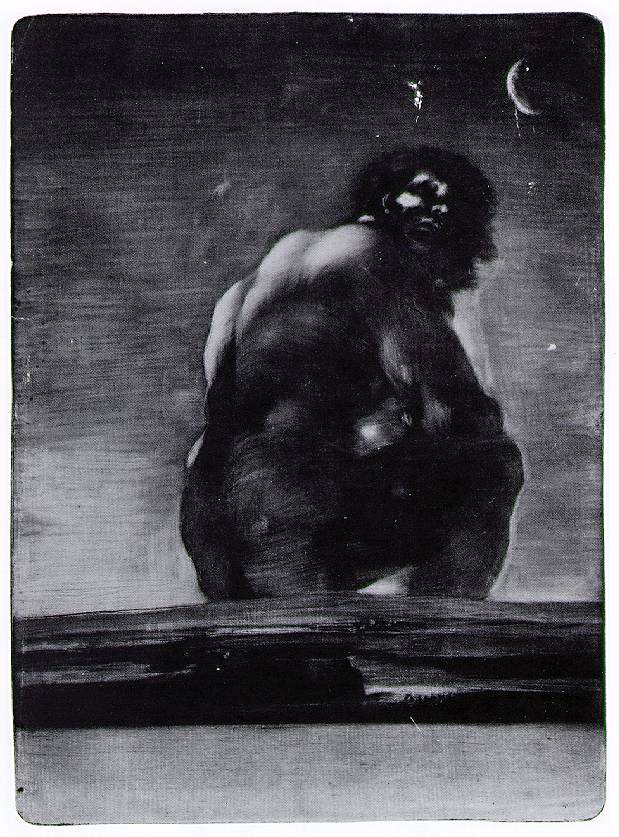
de-Goya-The-Giant“So, like I said, we’re trying something different by spending some time each week praying for something in the world or the city, and not just for our own issues. Does anyone have anything?”

“One of my best friends is in the Philippines and–you know–the huge typhoon is heading their way. I’d like us to pray for my friend and everyone there in danger.”

“Oh yeah, that’s supposed to be the biggest storm ever in history or something.”

I was embarrassed. Anyone that knows me knows that I stay glued (too much) to various news sites throughout the given day. And yet, I hadn’t heard of this storm. While someone in the home group prayed for those in the path of this storm, I snuck a peak at my New York Times app. Yep, the top story was still about the FDA all but banning trans fats.

Why hadn’t I heard about this?
Continue reading

Urban Lessons: Why cities will kill your soul.


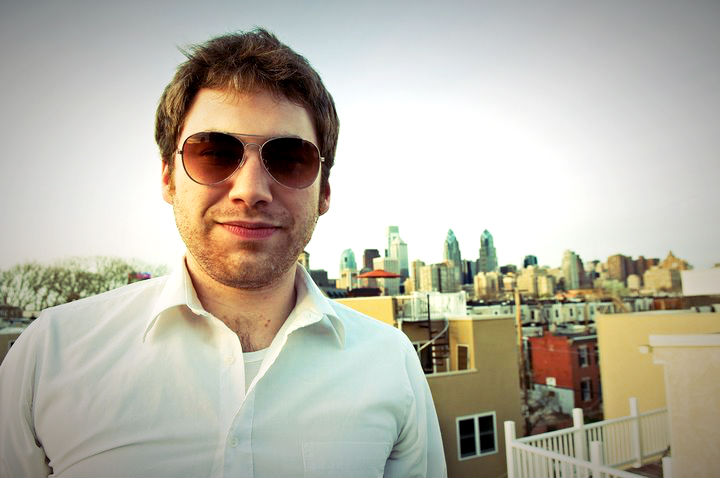
paul-philly-skyline-2I just completed my first trimester of seminary (round 2). I took a class class on Urban Christianity that, while it may not sound like a difficult and comprehensive graduate course, really was demanding at every level. So much so, in fact, it has really changed a lot of the ways I’ve thought about the city and how humans relate to it (especially Christians).

The class really caught me at just the right time. To a certain extent, even before coming to this class, I “got” it. I had imbibed enough Tim Keller and Church Planting material to understand the centrality of the city in the story of the Bible. Further, my church is now my fourth urban church plant, I go to church and live, literally, in “Center City” Philadelphia, and I work in the midst of the brokenness of the city, seeing the extremes of its beauty and brokenness in ways that few people do in their everyday lives.

And yet, especially due to the rural roots of “certain people” extremely close to me (haha), I felt I needed to engage in this class to develop a far more nuanced view of the city. And I think I got that. Over a few posts over the next couple of weeks, I’d like to share some of the lessons I’ve learned through this time. I think some of these things are lessons that all of us cool urban twentysomethings could do well to internalize.

Continue reading

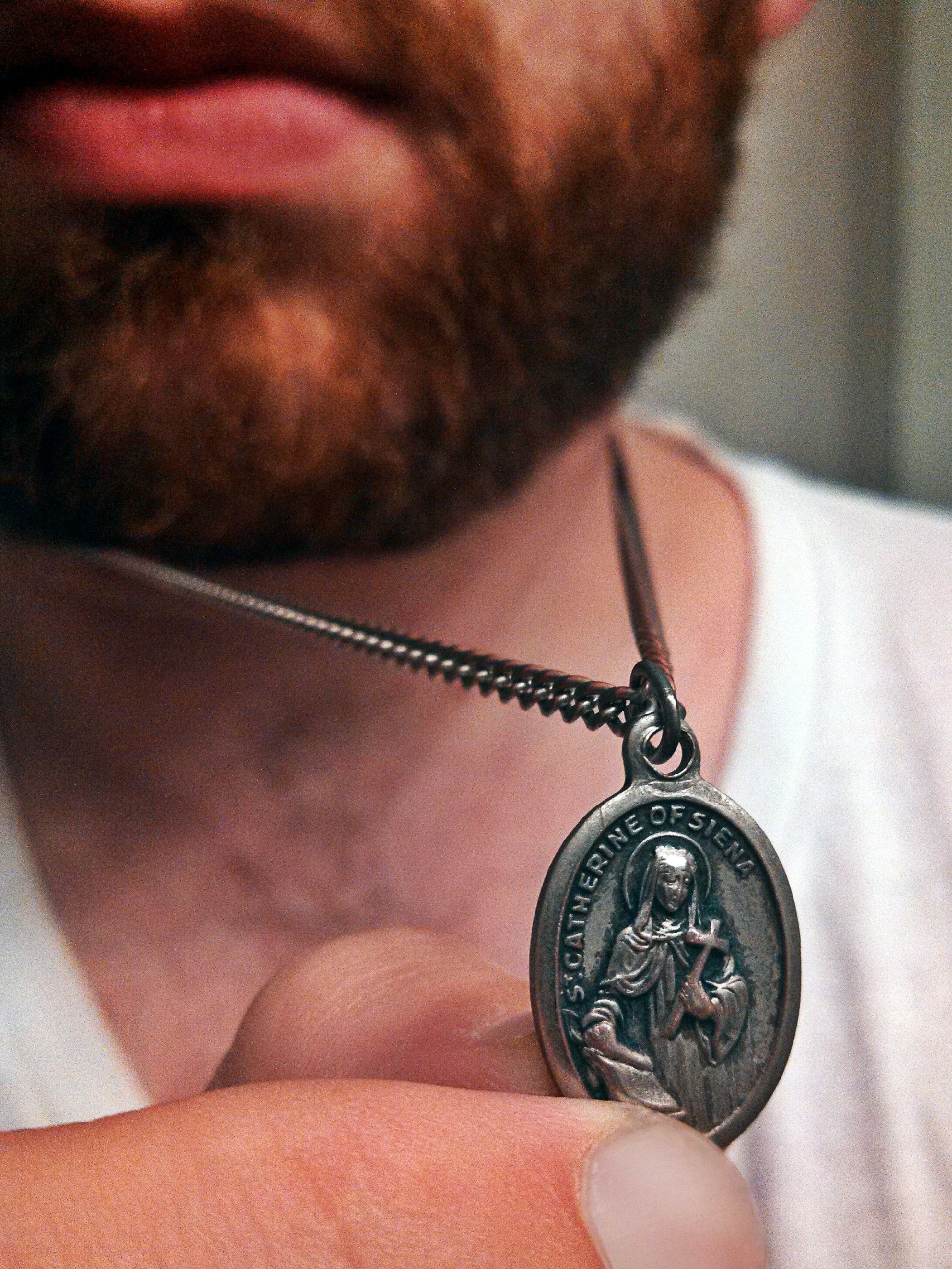
Meet Catherine of Siena, the Saint I Pray To.


st__catherine_of_siena_iconNote: this weekend, I wrote a post collecting all of my responses to people’s Protestant concerns with praying (or “talking”) to saints. Before you express your disagreement to this present post, I’d ask you at least read some of that.

Well, my previous post on praying to saints caused a lot of conversation on my social media. Slightly more than half of people disagreed with it (strongly), and the rest seemed to appreciate it. So before I begin today, I want to make something clear: this blog’s purpose is not to start flame wars or disagreements among friends. I genuinely want to be helpful to people–even when that means challenging and stretching them, and even when they strongly disagree with me. One need not be convinced of a position to be helped by reading about it.

With that being said, let me tell you my experience of finding a saint to pray (or “talk”) to, and then let me tell you a little bit about her.

Throughout history, there have been saints to whom God has given unique grace in certain areas of life. When the Church knew of and could recognize such saints, it declared them “patron saints” of those things they seemed to have special, almost unparalleled grace for.

In times of need in a specific aspect of life, much of the Church throughout history has felt comfortable praying to those earlier saints that seemed especially graced for those kinds of situations.

So…here’s my funny story.

Continue reading

Some Protestant Saint-Praying Clarifications & Responses


Wow. Last week’s post about praying to saints really brought out more passion in people than I thought it would. Both here on the blog and on Facebook, here were some clarifying comments I left. By the way, this was the best comment on that post that challenged my thinking. I hope this helps.

First, here is my final, quick summary clarification of my position and why Evangelicals need not be freaked out about all this. If you read nothing else on this post, let it be this:

I really wish there was a different and better word than “prayer” for this. I agree that what most of us Protestants think of when we think of prayer really should only be directed at God.

Further, I’m simply advocating for this to be one more optional means of grace a Christian can participate in, depending on how they are wired. This shouldn’t take away from anyone’s participation in union with Christ or praying to him anymore than Bible memorization, fasting, listening to sacred music, or reading a devotional book does.

Everything critics have said they think should only be reserved for God, I absolutely agree with. I am certainly not suggesting we turn our affections, praise, adoration, or even our hearts towards those that have died. I just think we can talk to them, and they can intercede for us to God. I don’t think they talk back, that we experience their presence, or that they magically impart any more of God’s favor than asking a friend to pray with us would.

As Paul said, our outer selves are wasting away, while inwardly we’re being renewed day by day. Those that have died are, in a very real sense, just as “alive” as we are now, albeit absent from the body.

Therefore, all I think is (1) they can see and know what’s going on down here, and (2) they talk to God.

If those two things are true, then I don’t see the inherent evil, harm, or soul-destroying error it might be to simply “talk” to those that have gone before–not “commune with”, “worship”, or any of the other dimensions of “Godward prayer”. Just sending up some prayer requests to the part of the Body of Christ that is absent from the body, but present with the Lord.

What’s the harm in that?

Continue reading

Catholics Aren’t Crazy: On Praying to Saints (Happy All Saints’ Day!)


This is a post in an on-going series called Catholic Aren’t Crazy exploring misconceptions Protestants have about Catholicism and lessons we can learn from them.

UPDATE: I responded to some critiques and gave some clarifications.

UPDATE II: Here’s the story of the Saint I pray to, Catherine of Siena.

Yesterday was Halloween. That makes today All Saints’ Day (read more about the history of these holidays in yesterday’s post).

All Saint’s Day has taken on different meanings for different groups of Christians. What seems to stay consistent, though, is that it is a celebration of the victory attained by those faithful Christians who have died. They are no longer pilgrims, as we are, but are the triumphant ones, having finished their race well and been brought into their peace with God. We celebrate Christ’s effectual victory over sin and death and that this has been granted to those that have gone before us.

The hope and encouragement in this holiday is not simply that we “remember” these saints, or meditate on their example. Instead (and this is important), there has been a long-held belief in the Christian Church that we still have a mystical communion and relationship with those saints that have already died. When Christians throughout Church history (and the Bible) have referred to “The Church”, they don’t simply mean those still around today, but all the saints who have ever lived (even in the Old Testament!). We are all the Church.

So we can truly celebrate those that have gone before us because we are truly still connected to them in a very real and vibrant way.
Continue reading

some hopefully not weird Christian thoughts on Halloween.


73497_813635955116_1310185_nA friend emailed me yesterday asking if I had ever written a post on Halloween and how Christians should relate to it. This was my reply to him. Also, in honor of Halloween, I’m posting this picture of the best Halloween costume I ever had. Can’t figure it out? The answer is at the bottom of the post:

Sorry to be anti-climactic, but I don’t really have any strong opinions on the matter either way. I’ll probably stay home Halloween, work on school work, and hand out candy to kids.

I really think it’s up to the individual Christian’s conscience, though there are obvious things that might be “unwise”. For one, don’t get wrapped in the sexuality that seems to have pervaded Halloween. Second, if you do a costume, try not to be exploitative (grown-ups dressing like little kid-sort of things and sexualizing them, acting gay as a joke, mocking others, or I heard of one couple of white friends who went as a dead Trayvon Martin and a George Zimmermamn, with the Trayvon guy wearing black-face).

Importantly, though, I don’t encourage myself or other Christians to be “weird” about it.
Continue reading

Discernment: Making Decisions Christianly & Why It Matters


paul-city-bwMore so than other practices, Discernment is not something we try to do to enrich our lives or draw closer to God. Rather, it is a basic function of our storied existence, driven by our own internal narratives. Because of this, we necessarily find ourselves in positions where decisions great and small need to be made.

Unlike most other practices of the Christian faith, the question here is not whether or not we will practice Discernment, but rather how well we will do it, and how intentionally we will cultivate it. The challenge is not so much to articulate a vision for Discernment so much as to find out what truly Christian Discernment looks like.

series intro

That is why I chose Discernment for a research paper I wrote for my seminary program this semester. It’s essential to human life and being. This is also why I want to share many of the lessons I learned along the way of writing this paper and putting into practice. And so today I’m starting a new blog series exploring this Christian practice of decision-making, also called Discernment.
Continue reading

A letter from & to a friend on the occasion of her Baptism


baptism-foot-waterThis weekend, I received this wonderful note from a good friend, inviting me and others to her Re-Baptism in one of the rivers of Philadelphia. With her permission, I’m posting her letter and my reply to it below. No matter your precise theological views on second baptisms, I hope you find this exchange to be encouraging to your soul.

* * * * * * * *

Hello dear friends,

As many of you know, I grew up in a church for much of my childhood and adolescence, and was even baptized around age ten into the covenant family of the Presbyterian church I attended. While I respect this baptism as a symbol of the faith tradition I was born into and grew up with, at ten, I had never struggled with any doubts or questions that have been such a part of my adult faith journey.

In my life, I have found it so easy to get hung up on theology and technicalities (What does it mean if I don’t believe in penal substitution? What exactly does the divinity of Jesus mean?) and my despair at the state of our world (Why does God let horrible evil things happen?). I’ve spent a long ten years questioning and doubting and not knowing. To be honest, not much has changed. I still despair over the evil I see and I still haven’t figured out how how everything works. But I’ve come to believe that that’s just what it is to be human–to be me. It doesn’t somehow cancel out my faith.
Continue reading