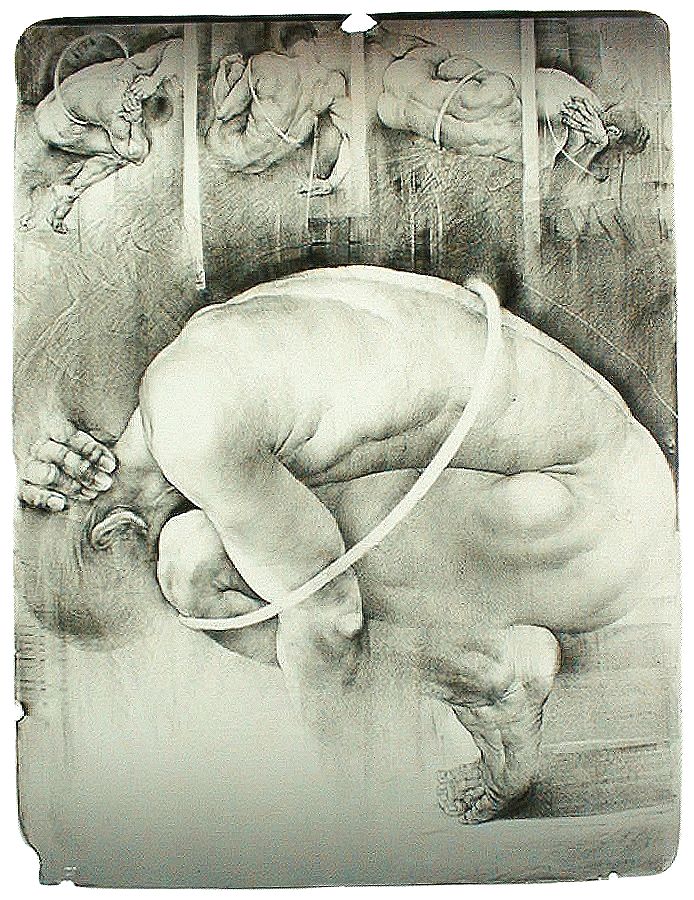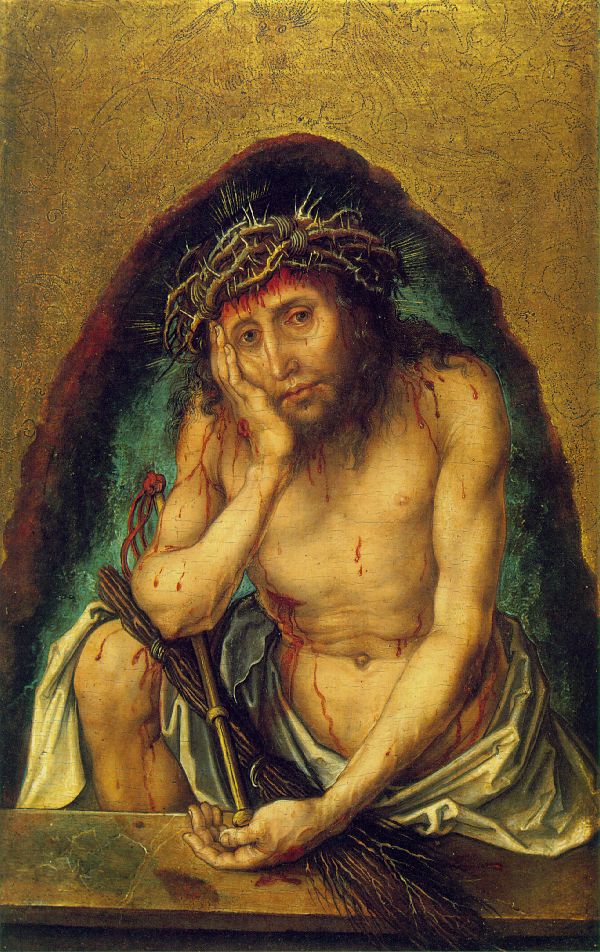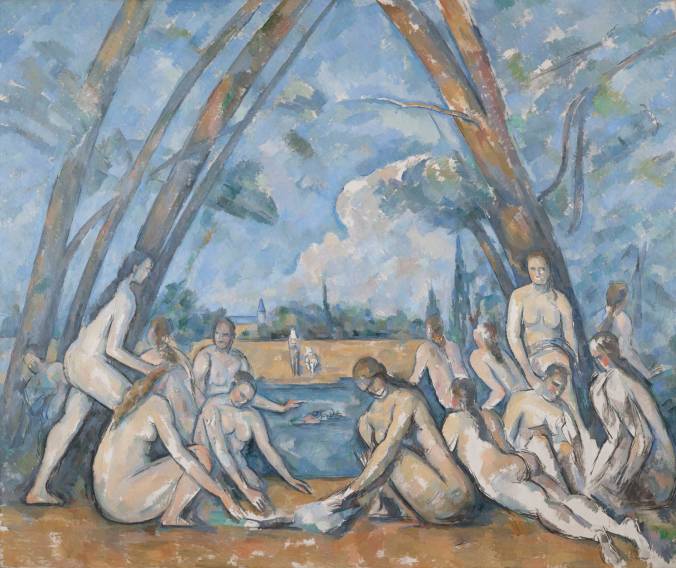
the order of the cosmos; the chaos of our souls [QUOTE]


We have been to the moon, we have charted the depths of the ocean and the heart of the atoms, but we have a fear of looking inward to ourselves because we sense that is where all the contradictions flow together.

Terence McKenna

This is why, I feel, that Order had to take on Disorder, and order it within Himself: so that all things, though still in chaos, might find their rest in Him.

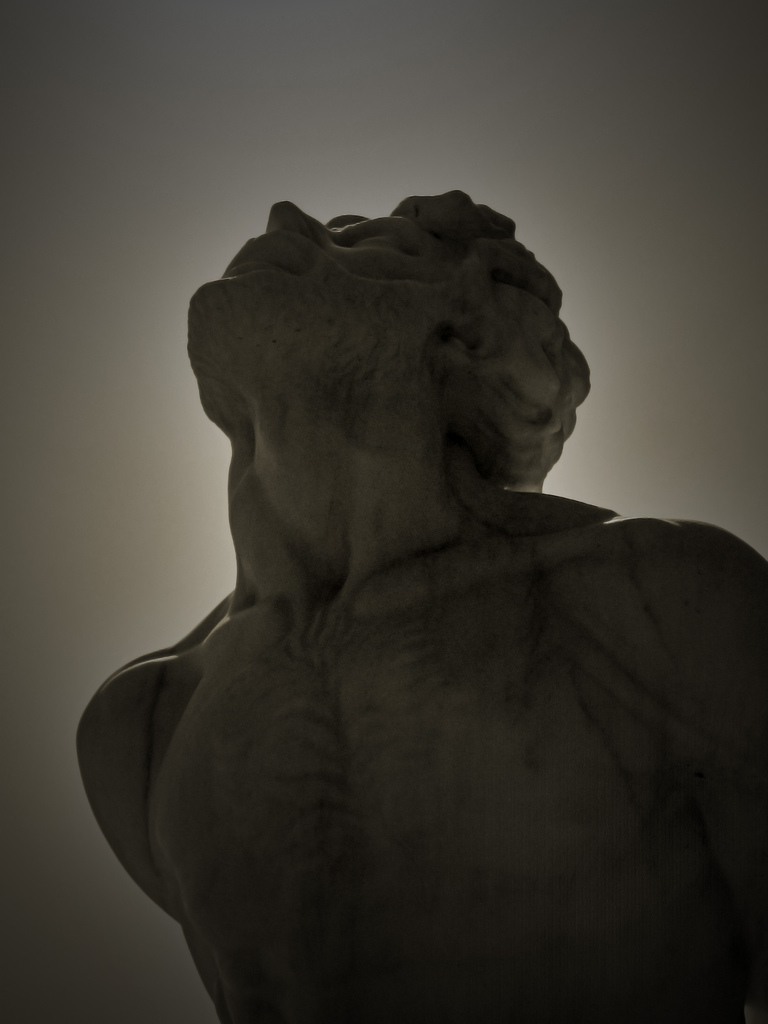
Visions of Arcadia: the most terrifying art exhibit I’ve ever seen


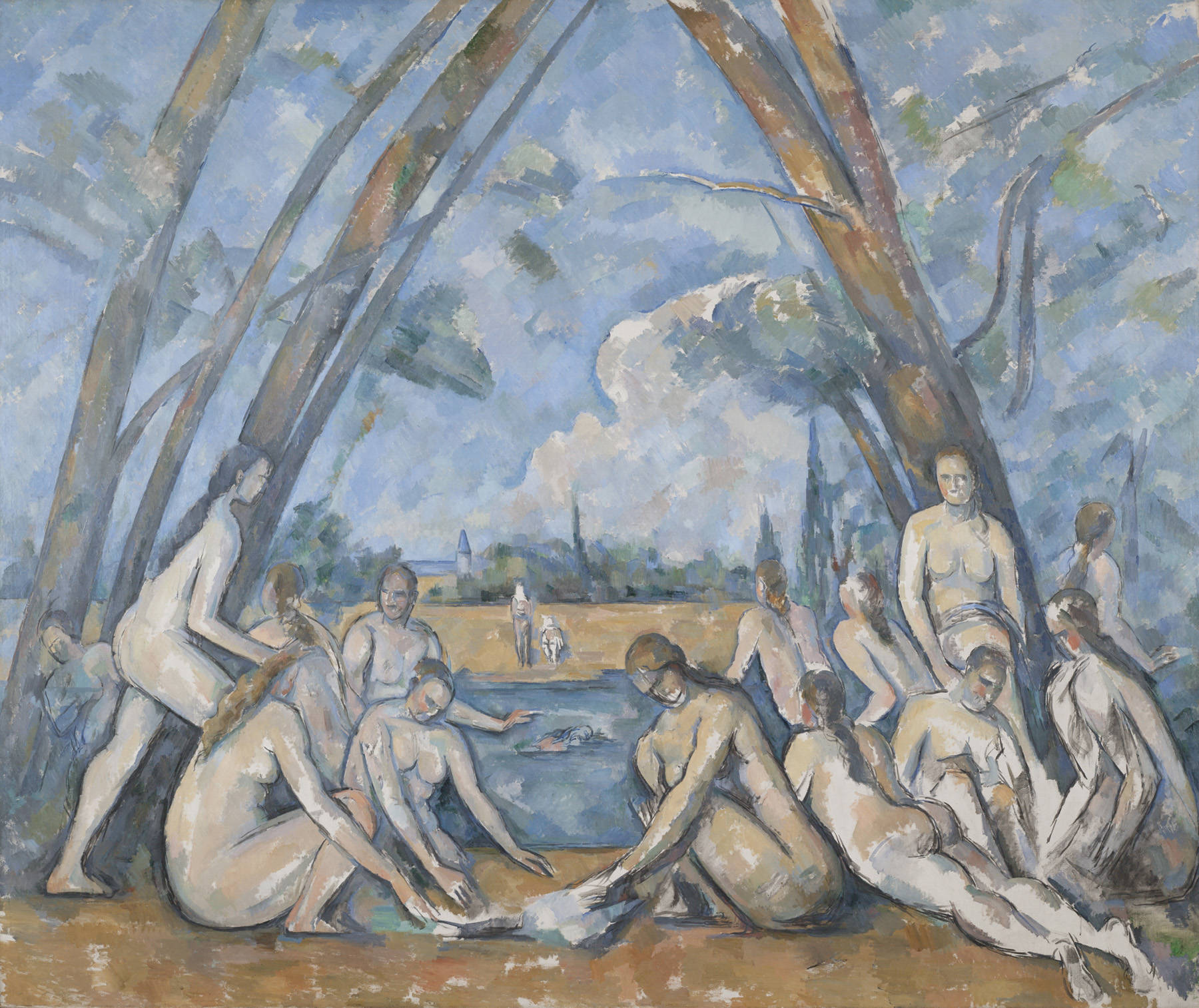
This weekend I had the privilege of seeing the Philadelphia Museum of Art’s new exhibit Gauguin, Cézanne, Matisse: Visions of Arcadia. The exhibit showcases works exploring the idea of “Arcadia“: an idyll pastoral world envisaged in Virgil’s first major poetic work Eclogues where nymphs and fauns dwell alongside Bacchus and Pan; where human dwellers exist in peace, rest, and joy in the natural world.

(To put it simply: you can usually recognize Arcadian themes at work in a piece of art when it has naked people hanging out in nature–usually around rivers.)

This image of Arcadia, having been explored in art epochs in the past, overtook art once more right as modern art was being born, right around the turn of the 20th century. In fact, the exhibit subtly makes the argument that this image of a rural, paradisal ideal is an essential element in modern art’s development. The modernists’ dilemma–the tensions between longing and reality, finding and losing, permanence and transience, human and mythic–all find their embodiment in this Arcadian world.

The exhibit begins with excerpts from Virgil’s poetic treatment of this theme, set beside works that visualized his words. These run along one wall. On the opposing wall of this introductory hallway, there are excerpts from Stéphane Mallarmé’s modernist treatment of Arcadia, L’Apres-midi d’un Faune, accompanied by pen-and-ink drawings from Matisse that visualize his words.

The exhibit is great, but very theoretical. It works subtly and on nuance. It’s not just a bunch of pretty things thrown into a room. Instead it is a thesis–an argument–in visual form. It watches a theme develop from myth to poetry to visual art (and then from Renaissance to modern) and explores how they are all connected and converse with one another. It’s really like no other exhibit to which I’ve ever been. If you get the chance, see it.

But that’s not why I’m writing today.
Continue reading

What do we make of the atrocities of the Old Testament?


This is a slightly edited version of an excursus I wrote in this week’s notes for the Bible Survey Class I’ve been teaching at my church. Follow that link for more information on the class. Also, I’m well-aware that the second half of this is exactly the “angle” talked about in the venerable Pete Enns’ recent blog post. I wrote this before he posted that, but still, I wanted to put it up on the off-chance this articulation might be helpful to others.

In the books of Numbers and Joshua, God commands the Israelites to commit genocide on many different people, including their women and children. He also commands them to forcibly enslave others. And in still another story, he commands Moses to take the remaining virgins of this particular people of which they disobediently did not kill all, and divide them evenly among the soldiers and the “rest of the Israelites”. We can only imagine what for.

A few quick thoughts:

Continue reading

Art I Love: Arielle Passenti (a thesis review) [casual fri]


Question: What’s the longest word in the world?
Answer: the word is “smiles”, because between the two s’s, there’s a mile.

That’s a joke I was told by my father in the parking lot of a Home Depot when I was really young. I have no idea why I remember it, but it’s an appropriate place to begin when talking about the work of Arielle Passenti, a local Philadelphia artist whose thesis exhibition I got to see at the University of the Arts a couple of weeks ago.

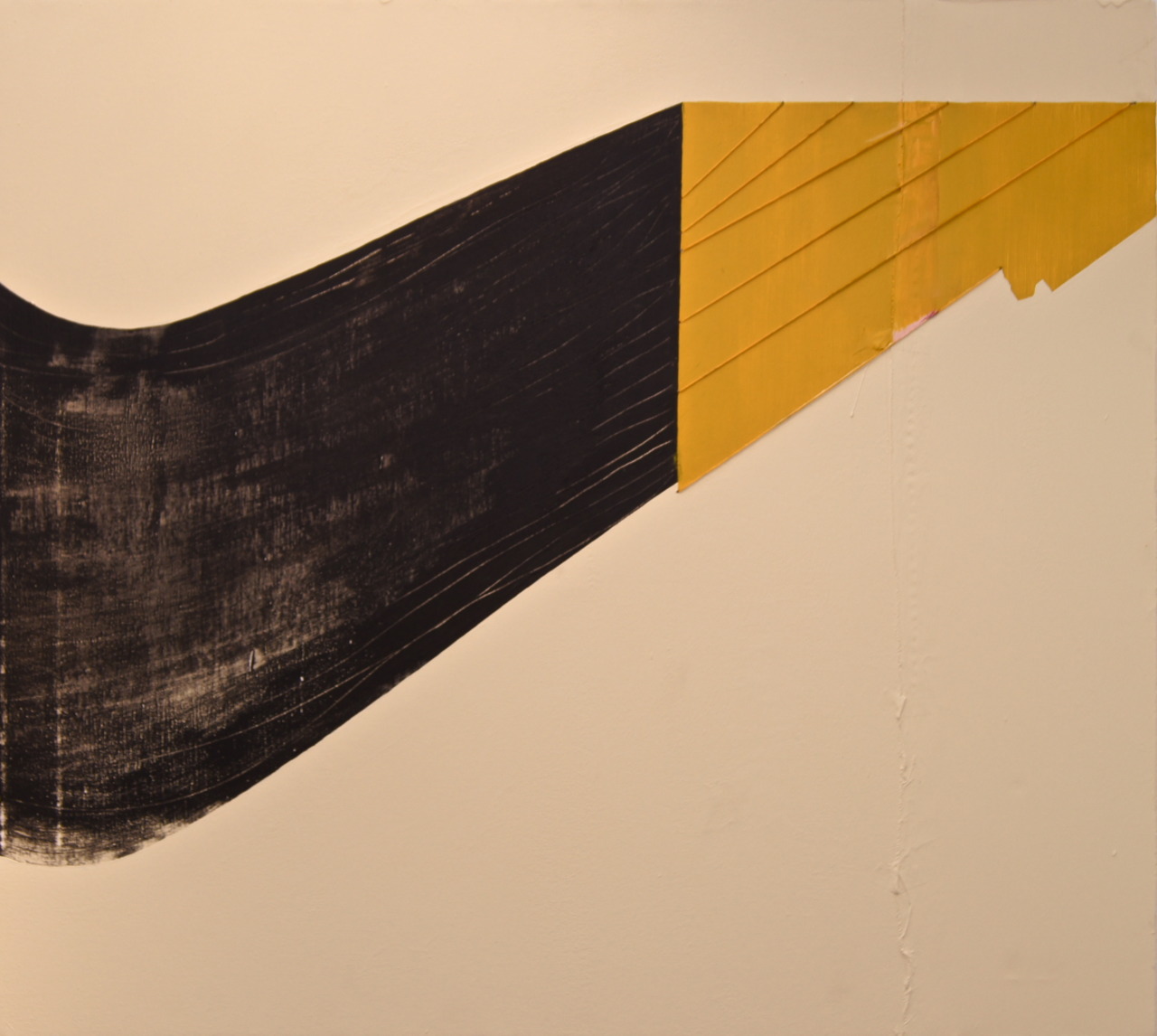
I was able to purchase the work that you see at the top of this post. Today, I just wanted to share that piece, some of her other pieces, and my thoughts with all of you.

Continue reading

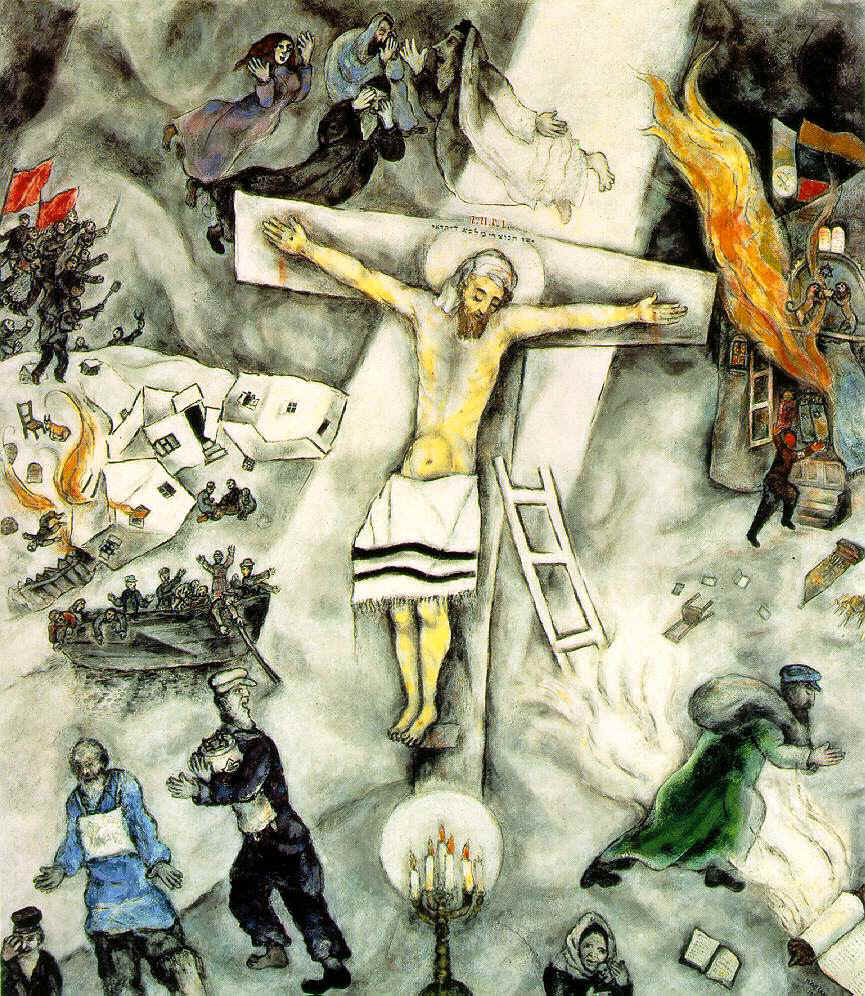
“15 Glances” at the Crucifix | Lent {11}


In the tradition of giving honor where it’s due, I’ve like to offer up the post that served a the inspiration for this whole series I’ve been doing on “The Lamb Eternally Slain” (which still isn’t done, even though it’s no longer Lent. It’ll be okay, though). The post is by Ben Myers, a thoughtful and thought-provoking theologian who draws from many theological corners for his thinking (much like myself). Here it is:

The Icon of the Cross: 15 Glances | Faith & Theology

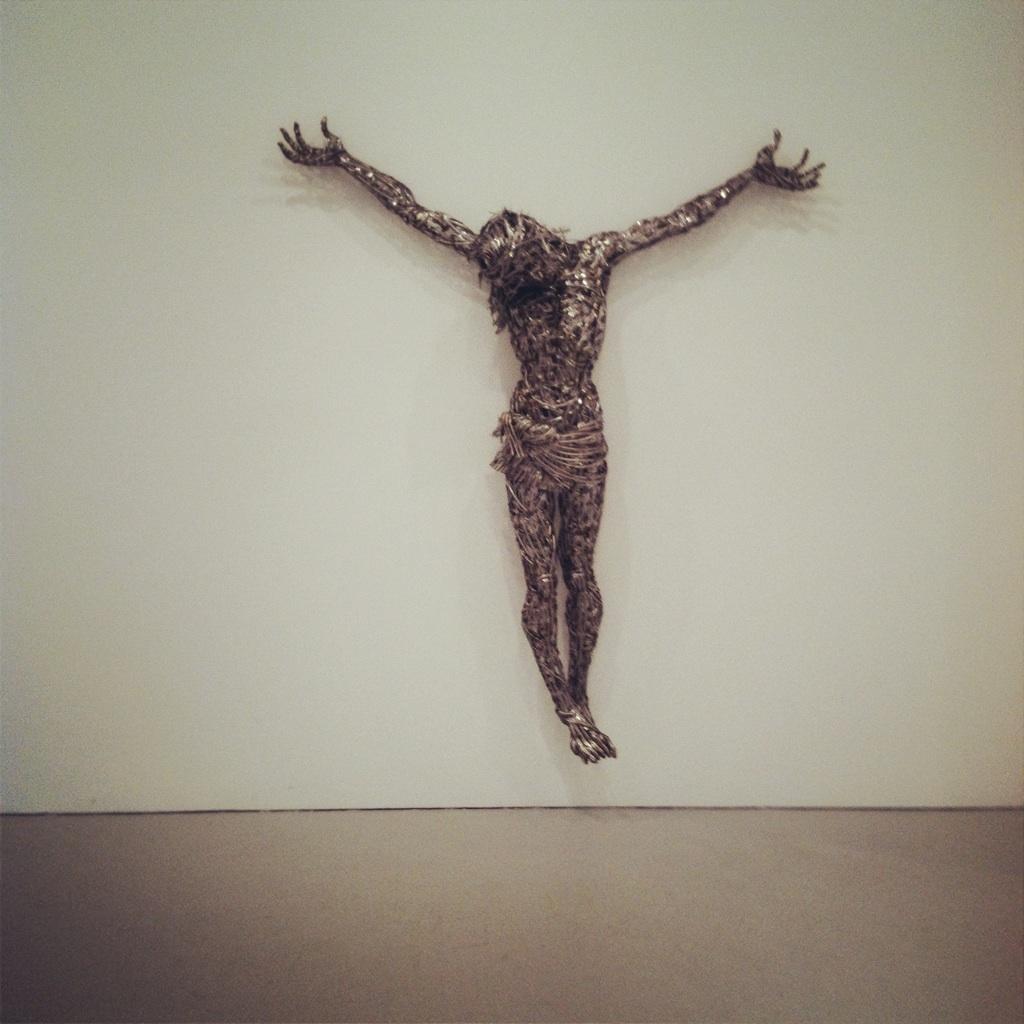
Austin Ricketts, who wrote a couple of the posts in this series, sent to me this post of Ben’s nearly nine months ago. I still remember where I was as I read it and was caught up in it’s transcendent, sweeping reflections on the icon of the Cross. (Yes, we are referring here to “icon” as in the artistic representation of religious things for use in meditation or worship. Don’t worry, fellow Protestants, icons aren’t nearly as bad or idolatrous of a thing as we were raised being told.) I had the idea then for this blog series on my blog, but held on to it until Lent, thinking it most appropriate for this time (instead of Advent, haha).

In his post, Myers spends some time jotting down 15 reflections (or “glances”) on this icon. I have copied a few of my favorites below, but please check out the full post–there’s far more beauty in store for you.

Continue reading

Chesterton on the Atheism of God on Good Friday [QUOTE] | Lent {10}


When the world shook and the sun was wiped out of heaven, it was not at the crucifixion, but at the cry from the cross: the cry which confessed that God was forsaken of God. And now let the revolutionists choose a creed from all the creeds and a god from all the gods of the world, carefully weighing all the gods of inevitable recurrence and of unalterable power. They will not find another god who has himself been in revolt. Nay (the matter grows too difficult for human speech), but let the atheists themselves choose a god. They will find only one divinity who ever uttered their isolation; only one religion in which God seemed for an instant to be an atheist.

–from Chesterton’s Orthodoxy, as quoted by philosopher  Slavoj Zisek, in this article on “German Idealism & Christianity, from Hegel to Chesterton” (via Micah Towery). Read the rest of this Lent series on “The Lamb Eternally Slain”

Maundy Thursday, Narrative & Sacrament | Lent {9}


Today is Maundy Thursday which is the time in the Christian Church calendar where we celebrate the institution of the Lord’s Supper; it also initiates the three Holy Days of Good Friday, Holy Saturday, and Easter Sunday.

I was raised as a Southern Baptist in Dallas, Texas. Liturgy, Church calendars, Holy Days, and Prayer books were as foreign to me as R-rated films, alcohol, and dancing. Now, though, as I’m looking for a Church to go to for a Good Friday service, even the Presbyterian church service all my friends are going to doesn’t feel liturgical and structured enough for me. What happened?

In the last few years between going to seminary (and dropping out) and changing churches, I have fallen in love with both liturgy and Sacrament.

Continue reading

Nietzsche, the Cross, & the Weight of the World | Lent {8}


If every second of our lives recurs an infinite number of times, we are nailed to eternity as Jesus Christ was nailed to the cross.  It is a terrifying prospect. In the world of eternal return the weight of unbearable responsibility lies heavy on every move we make. That is why Nietzsche called the idea of eternal return the “heaviest of burdens”. If eternal return is the heaviest of burdens, then our lives can stand out against it in all their splendid lightness.

But is heaviness truly deplorable and lightness splendid?

…. The heavier the burden, the closer our lives come to earth, the more real and truthful they become.

Conversely, the absolute absence of a burden causes man to be lighter than air, to soar into the heights, take leave of the earth and his earthly being, and become only half real, his movements as free as they are insignificant.

What then shall we choose ? Weight or lightness?

— Milan Kundera, The Unbearable Lightness of Being
Continue reading

Love: The Beginning & End of Divine Suffering | Lent {7b} [GUEST POST]


[Yesterday, my good friend Austin Ricketts kicked off this two-part post, part of my own Lent series, talking about how the “disposition” or “intention” of God is Love, firstly exercised towards God’s own Self in the Trinity. And this Love moves away from the lover toward the loved as it is given. Therefore….]

Update II: In an interesting twist, Austin has since recanted these comments, though I still entirely agree with these original ones. So….I’m going to keep them up, but with this comment.

death & distinction in God

The reason why death is an appropriate notion by which to understand this relation, then, is that death entails separation or distinction between two or more things that otherwise belong together.

Death is not an end of life, necessarily, but rather a limit and transition.  For humans, the Bible points out that there is a limit and transition that occurs at material death.  At that time, humans exist as a bodiless soul, at least until the final resurrection.

Death is a separation or distinction between two or more things that naturally belong together; in the case of humans—a body and a soul.

Considering God again, “separation” can’t really be the right word.  Distinction is more orthodox.  I mentioned earlier that it is incorrect to see a “lessening” of the Father’s being when transitioning to the Son.  That’s because there isn’t a lessening of being at all.  Quite the opposite.
Continue reading

Love: The Beginning & End of Divine Suffering | Lent {7a} [GUEST POST]


[Note: Today, we have another post by my good friend Austin Ricketts. I asked for him to write some of his thoughts on the current Lent series I’m doing and this is what he came up with. He’s written other things for my blogs before, and each time, I end up with my mind blown. This post certainly follows in that tradition. This piece is a bit longer (even after breaking it up into two posts), but I encourage you to read it in its entirety. Really, you will not be disappointed.]

Update: Part 2 of this post is up.

Update II: In an interesting twist, Austin has since recanted these comments, though I still entirely agree with these original ones. So….I’m going to keep them up, but with this comment.

When delving into the mystery of the Trinity, it is inevitable that one approaches Light too bright to see through, a mountain too high to climb, a cave too deep to spelunk.  That this is the case does not mean that one shouldn’t move into any light, climb as highly as she can, spelunk as deeply as he may.  That would be an unbiblical quietism, and unhealthy for the soul.  The soul needs exercise.

Here I attempt to exercise my soul by exorcizing the ancient demons called simplicity and impassiblity.  I pray that I do this while abiding in love.  But I do it nonetheless.
Continue reading

The Slain God of Evolution | Lent {6}


This Lent, we’ve been going through a series meditating on some of the implications of the fact that we worship a God who was “slain before the foundations of the world”–in eternity past–and therefore has some aspect of “slain-ness” to his very nature.

In the last couple of posts, we’ve been focusing on what this means for the many references in which the Bible says that the world was created “through Jesus”. What might it mean that the world came into being through a suffering and slain Lord? What might it mean for our own suffering?

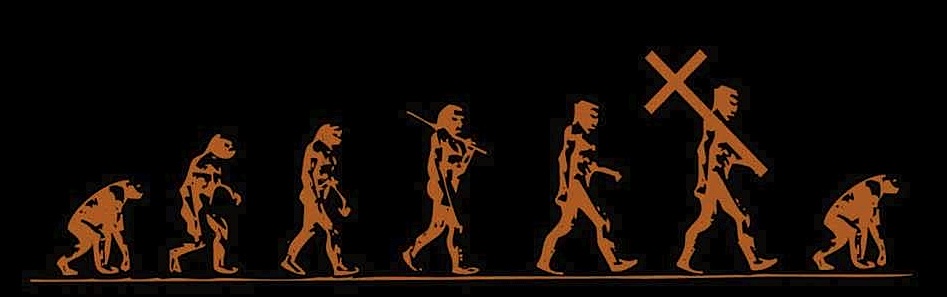
This got me thinking about Evolution.

Obviously, the main vehicle driving Natural Selection is death and dying. This is one of the biggest hindrances that Christians have to the idea of Evolution. If our usual categories are correct of a “good” creation “falling”, and only then ushering “death” into the world, how does the thoughtful Christian deal with the realities of Evolution?

I think this Lenten idea of God’s “slain-ness” can help.
Continue reading

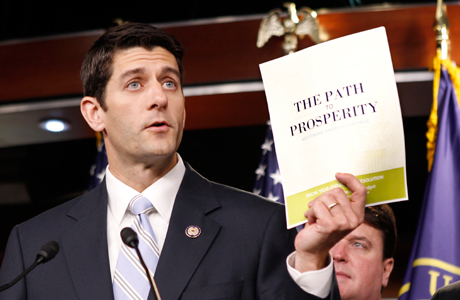
Catholics Aren’t Crazy: Paul Ryan & the 2013 House Budget


Yesterday, House Republicans unveiled their own 2013 budget to counter President Obama’s proposed budget.

Now, neither of these have (or will) become law. These annual budgets are merely proposals and are often political statements of priority. Both the President and the House write their budgets, not realistically, but extremely, hoping that once negotiation begins, they’ll walk away with more of what they want.

But still, like I said, these proposals are expressions of priority and direction to which a party will try and “bend” the nation’s spending. The House Budget Committee Chairman, Paul Ryan, said as much when he unveiled the plan (upon which he bears the final word), calling it “a choice between two futures” (others called it “careless”).

Continue reading

Christ’s Heart Breaking in Us | Lent {5}


Lent is a season in which God’s people meditate on the slaying of Jesus on the Cross and all that is within them (and outside of them) that made that Cross necessary. So to that end, we’ve been doing a series meditating on the fact that Christ is the Lamb who was “slain before the foundations of the world”. We’ve been thinking through what it might mean that Jesus, in some sense, has been suffering for all time.

[suffering]

We’ve said that the Cross was an in-breaking of the suffering essence of God into our world. Think of it as a volcano that emerges after a millennia of quiet tectonic plate shifts. Eternity and infinity–past, present and future–break into the world at the Cross; eternity is the backdrop against which the death of Christ occurs.

We’ve also said that the world has a certain “slain-ness” to it as well, due to being created “through” a slain and suffering Christ.

Today I want to ask: What might that mean for our own suffering and death?
Continue reading

Lent-erpretative Musings {a theological interlude} {3a}


WARNING: this post gets into some theological discussion that, for most everyone out there, will be neither helpful nor interesting. And it’s way too long (which is why I’ve broken it up into two separate posts). Forgive me and please be gracious.

_____________

Anyone that follows the blog knows that I’m currently thinking through and writing a Lent series on the theological idea that Jesus was slain “before the foundations of the world” (Part 1, Part 2). Even though no one has said anything to this effect, I have felt like somewhat of a hypocrite. As I’ve been doing this, I’ve been haunted by a little voice reminding me that it seems like I’m employing many of the same techniques of interpretation and viewing the Bible that I’ve criticized in others before. This post is my attempt at reconciling this in my own head (in front of all of you).

As J.R.D. Kirk (and others) has often talked about, many of our theological disagreements in the church boil down to a simple question “what is the Bible?”. At the end of the day, we can argue about any number of things appealing to the Bible, but if we believe fundamentally different things about what the Bible is–and how it is that–we will never get anywhere.

And here’s where I’m getting into problems with this series: there are ways of viewing the Bible that, in others, I have criticized as reductionistic, simplistic, and frankly, abusive to the text itself, and I fear that I’m employing many of those same techniques in my thinking through this series. Here are two of those ways (two more later):
Continue reading

Weekly Must-Reads {3.7.12} | abortion & Obama’s abuses


In light of the recent birth control controversy, there’s been a revived discussion about abortion and the “personhood” of babies, especially after a paper justifying the aborting of newborns was published in a major journal. Also, in response to rising criticisms for how the Obama administration has abused their seizure of Executive power to pretty scary levels, Obama’s Attorney General, Eric Holder, gave a speech [transcript] at Northwestern University on Monday defending the administration’s actions. Today’s articles deal with these issues.

Grab some coffee, and let’s go.

__________

__________

HIGHLIGHTS

The New Scar on My Soul | American Thinker

If you read nothing else from this post, please let it be this. I found myself crying in the middle of the coffee-shop I was in as I read this. Please, anyone, help give me a reasonable framework from which to respond to this. I need something beyond empty rhetoric, powerless outrage and sadness, and unrealistic policy aspirations. And also, please, if you find yourself on the pro-choice side of this, I would love your thoughts on this topic after reading this post. I’m really struggling here.

The Obama Administration and Targeted Killings: “Trust Us” | Council on Foreign Relations

Such a good article giving a brief–yet substantive–analysis of Holder’s speech and how it holds up to legal, moral, and common-sensical scrutiny. Please read this. Also, for a very comprehensive (yet fairly brief and easy-to-read) summary of the history and background of this all-important topic and its relevance today, CFR put together this Backgrounder.

Continue reading