Praise
Karl Barth: Our Freedom, Home, & God’s Directing [QUOTES]

When looking through old seminary research, I ran across some quotes I pulled out from Karl Barth, my favorite theologian (hands down), and got to soak in the beauty of his words. I wanted to share them. Now, for people that don’t read academic theology, this is it. It’s circular, it repeats itself, and it’s unnecessarily complicated and unclear. I know. I get that. But I promise, if you can spend a few minutes, quiet yourself, and focus, the pay-off is huge. This guy stands as a tower over all of modern theology and deserves more mainstream attention than he gets. I’ve done slight edits to some of the wording and paragraph breaks for clarity. Enjoy.
* * * * * * * *
God’s direction is an all-powerful decision, His own divine act of lordship. By this means, too, God vindicates His honor and maintains His glory. By this means, too, He exercises authority….
God’s direction is the directing of humans into the freedom of His children. It is this which has taken place in Jesus Christ no less uniquely than the once-for-all fulfillment of the divine sentence on all humanity. In suffering in our stead the death of the old nature, and bringing in by His resurrection the life of the new, He has made room for the being of all humanity to be at peace with God.
On the basis of what we are and is not by virtue of the divine sentence passed and revealed in Jesus Christ… we have no other place but this—the kingdom in which God can be at peace with us and us at peace with God. Jesus Christ…is the all-powerful direction of God to us to occupy this place, to live in this kingdom. If we are told in Him who we are and are not, we are also told in Him where we belong, where we have to be and live.
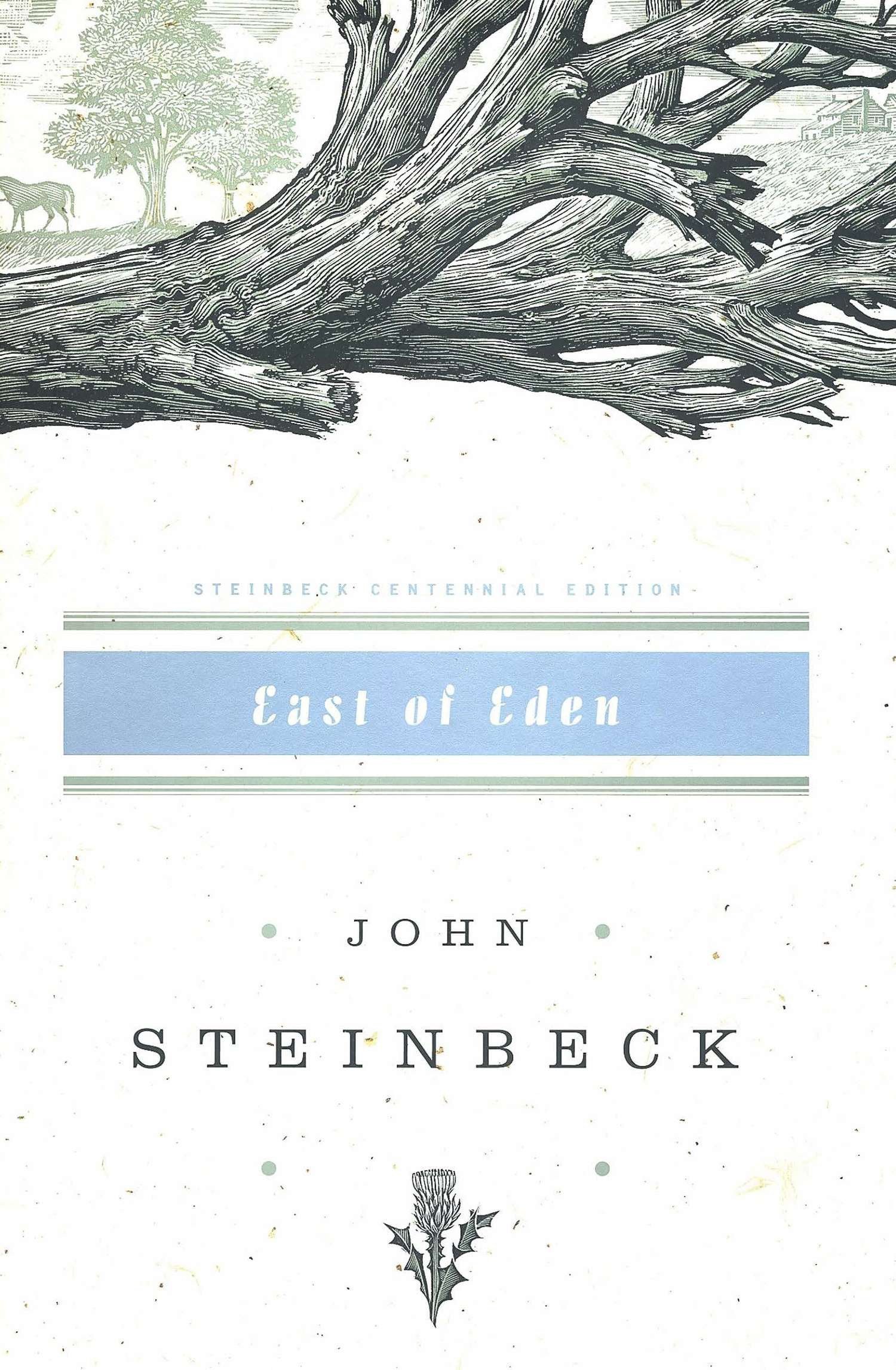
Because We’re Not Good: “East of Eden”, a Book Review
 We all have those pieces of art–be they movies, books, music, what have you–that upon first exposure we fall in love. We turn the last page or exit the theater or concert hall certain that this will surely be added to our list of favorites and long-held companions. Yet, how many times do we say this and a year or two down the road someone mentions that very piece of art and we find ourselves thinking, “oh yeah, I did read that, didn’t I?” or “I had forgotten how much I loved that album!”
So often we get swept away in the immediate experience of something skipping upon the waters of our soul, leaving little ripples and echoes dancing in its wake. But these dimples and dapples merely play on the surface for a time, returning once more to their source, leaving the waters ultimately undisturbed–the liquid plane unbroken; the deepest depths untouched.
There are other times, however, that we encounter a piece of art–or rather, it encounters us–and we are changed. It transcends mere rankings of “favorites” and “Top 10s” and weaves itself into our fibers. We do not critique and assess it, so much as it sizes and weighs us. The surface tension is broken and we are plunged beneath, staring humanity’s unvarnished truths in the face. And in so doing our own humanity is enlarged, a spaciousness expands in our souls, and we feel more human–even as our foundations are shaken.
John Steinbeck’s 1952 magnum opus, East of Eden, is just this kind of piece of art. It’s the kind of book people say they will read “someday”, only to read it and wish “someday” had come a lot sooner. So if you haven’t read it. Do so. Start today.
These Days After Pentecost: On Law & Spirit
 In the Christian Church Calendar, we are currently in a season that is numbered according to the Holy Day of Pentecost, the day we celebrate the Holy Spirit falling on the apostles fifty days after Jesus’ death (hence the name Penta-cost).
Jesus had told the disciples to go out into the world ministering this Gospel to the world, but first, to wait. What would be so important as to put the brakes on the mission of God in the world?
The Holy Spirit.
Continue reading
“The First Christian Sermon” [a sermon, ironically]
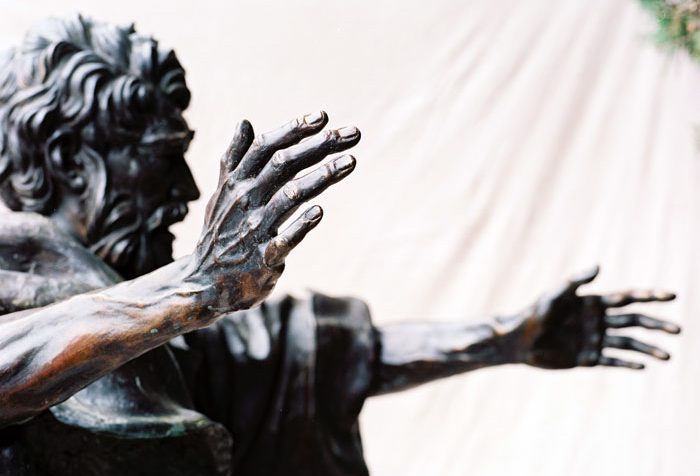
Well, I’m finally coming off a whirlwind month of preaching three out of four weeks while our lead pastor is on vacation…and while I keep doing my full-time day job. So now, hopefully I’ll be able to post more here again. I do want to share with you these sermons though.
This summer, my church is going through different key texts in the book of Acts, chronicling the opening years of the Christian movement in the world. In the first of these sermons I’ve done during the past month, I got to preach on the Christian holiday of Trinity Sunday and my text was the very first Christian sermon ever preached–Peter’s Pentecost message. I tried to weave these together best I could.
The text is Acts 2.22-39, and here’s the sermon audio. Feel free to send me any thoughts, questions or concerns:
You can also download it here, or subscribe to our podcast. If reading is more your style, here are my notes for your perusal. Continue reading
Ascension: Our glory & the Bible’s hinge
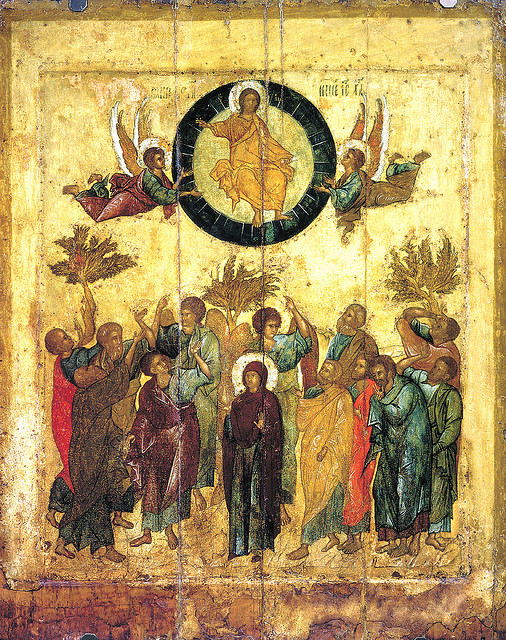 Yesterday in the Christian church calendar was Ascension Day, the day we celebrate Christ ascending into heaven 40 days after his resurrection and now sits at “the right hand of God the Father.”
The Useless Ascension
The idea of “Ascension” doesn’t seem to get a lot of play nowadays in the Church. This, in spite of the fact that it is an essential part of all the Church’s earliest doctrinal formulations, and the subject of the most-quoted Old Testament verse in the New Testament:
The Lord says to my lord, “Sit at my right hand until I make your enemies your footstool.”
Compared to other, non-creedal things like Hell, homosexuality, and “attacks on biblical authority”, the Ascension isn’t really talked about. Maybe this is because the Ascension isn’t really a “doctrine”–it’s an “event” and a “declaration”.
And we western Christians love our systematic “doctrines” that we can pick apart as nauseam and/or figure out how we can “apply it to our lives” in such a way that we can feel like we’re “good Christians.” But honestly, the Ascension doesn’t have many direct applications for today.
Continue reading
Falling Off the Face of the World
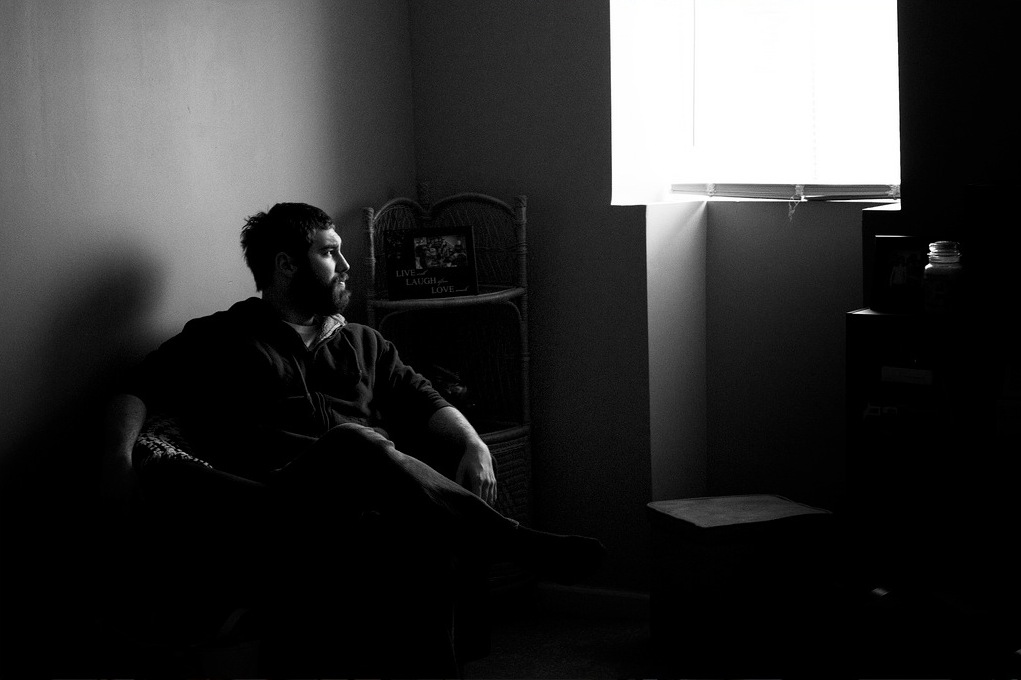
I really debated on writing this post. Those most intimate of place between my soul and my Creator are too often converted in my mind into sermon, blog, or conversational thoughts. I tend to be quite promiscuous with the details of my relating to God.
Yes, for many, it is helpful, valuable, and “authentic” to be let in to the inner sanctum of one’s spiritual processing. But it comes at great cost to my own vibrancy. I recall a critique I heard once of the great mystic monk Thomas Merton that he “never had an unpublished thought or experience”.
I can relate.
So what am I talking about? When you read this, I will be on a bus from Holland, Michigan to Kalamazoo. A monk will meet me there and will take me to St Gregory’s Abbey in Three Rivers for a week-long silent retreat where I will disconnect from all electronics and means of communication. I won’t read anything but prayer books, poetry, and my Bible. No phone, email, texting, kindle, news, podcasts, or anything.
Continue reading
After the Final “No”, There Comes a “Yes” [Good Friday Sermon 2017]
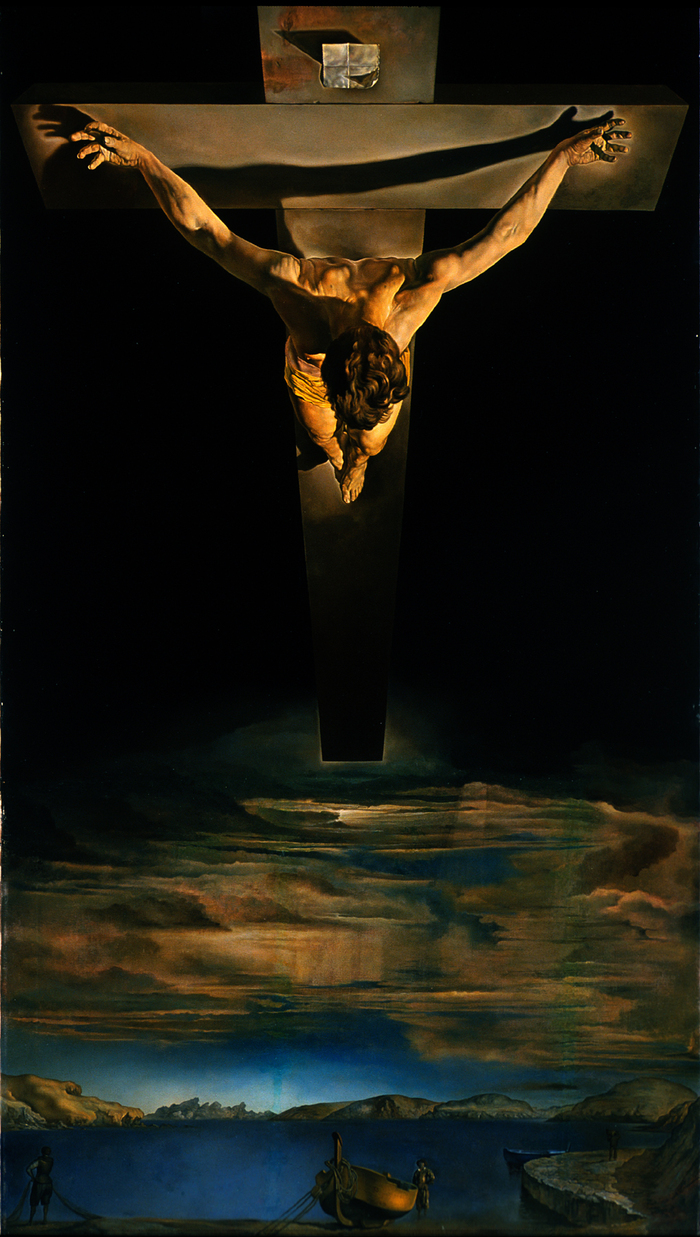 I’m really looking forward to doing a happy sermon sometime soon. But alas, I find myself preaching on both Ash Wednesday and Good Friday this year–not the happiest of Church Holy Days.
And yet there is hope.
It’s fashionable to emphasize the narrative nature of God’s work in the world. And yes, it’s true–there is a progressive nature to Redemption, with a beginning, middle, and end.
But God’s work is also often cyclical, with certain rhythms and movements that return, repeat, and fold within one another.
I had this in mind as I went into this sermon. Yes, we ought to press into the darkness and doubt of the Cross without just quickly comforting ourselves with the Resurrection–we have to sit there for a bit–and yet the Church Calendar gets into our bones and souls to such an extent that it transforms the darkness. We can never sit in the Cross’ forsakenness without feeling the spiritual muscle memory of previous Easters gone by. And in that is hope.
This realization led me to largely do away with my notes (which you can find below) when giving this sermon and largely ad-lib, speaking from the heart as I wrestled with this stuff in real-time. The text selections came from Matthew 26-27, and here’s the sermon audio. Feel free to send me any thoughts, questions or concerns:
You can also download it here, or subscribe to our podcast. If reading is more your style, here are my notes for your perusal. Continue reading
i am not my own (Abide with Me)

…fast falls the eventide; the darkness deepens; Lord with me abide…
Both viruses and people get themselves into us, infect us, surprise us, and change us–both for good and ill. And when they depart we are left with that most complex simplicities of emotions, asking simply: what was that? The story, the episode, that previously seemed to exist with such continuity now seems so disjointed from all others that “the purpose” seems our only thought.
…When other helpers fail, and comforts flee, Help of the helpless, abide with me…
We wonder, we wander, seeking our Home, our Rest, our Selves. We recast our history in the eyes of this present trial, this present pain, this present darkness, and feel the twitch and fear that comes whenever we seriously consider all we’ve done before and all it represents within us–all the trials caused, the pains committed, and the darknesses within us.
“Darkest Before the Dawn” [a sermon]
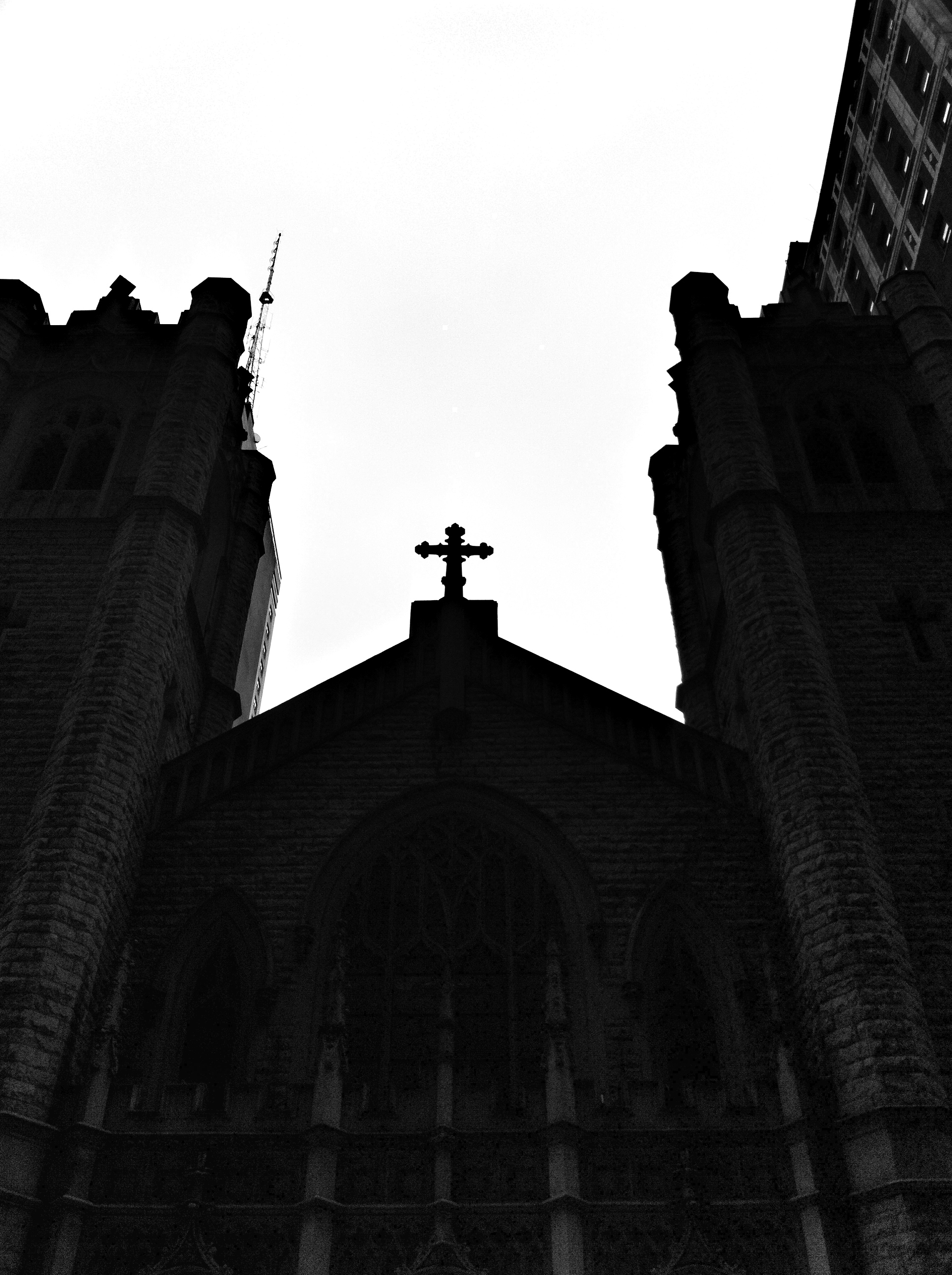 During the Advent and Christmas season, my church did a sermon series going through the key texts of Handel’s Messiah.
I got to preach during that series and only recently realized I never posted it here.
I’m beginning to see that light and darkness are constant themes through my preaching, and in this sermon, those themes are explicitly in the text. God’s people have returned from exile to their homeland, but it still hurts. Things aren’t the way they remembered, and they keep encountering difficulties and old temptations at every turn.
And so God acknowledged the darkness, but promises light. Is that enough, though? How do we not just sit back and say, “yeah, yeah yeah–I’ve heard this all before” and then continue on steeped in our cynicism? In this sermon (as with others I’ve preached), I try to press more deeply into the darkness to see what God might say. The text is Isaiah 60.1-3, and here’s the sermon audio. Feel free to send me any thoughts, questions or concerns:
You can also download it here, or subscribe to our podcast. If reading is more your style, here are my notes for your perusal. Continue reading
“Damascus” (a poem for the Feast of Paul’s Conversion)
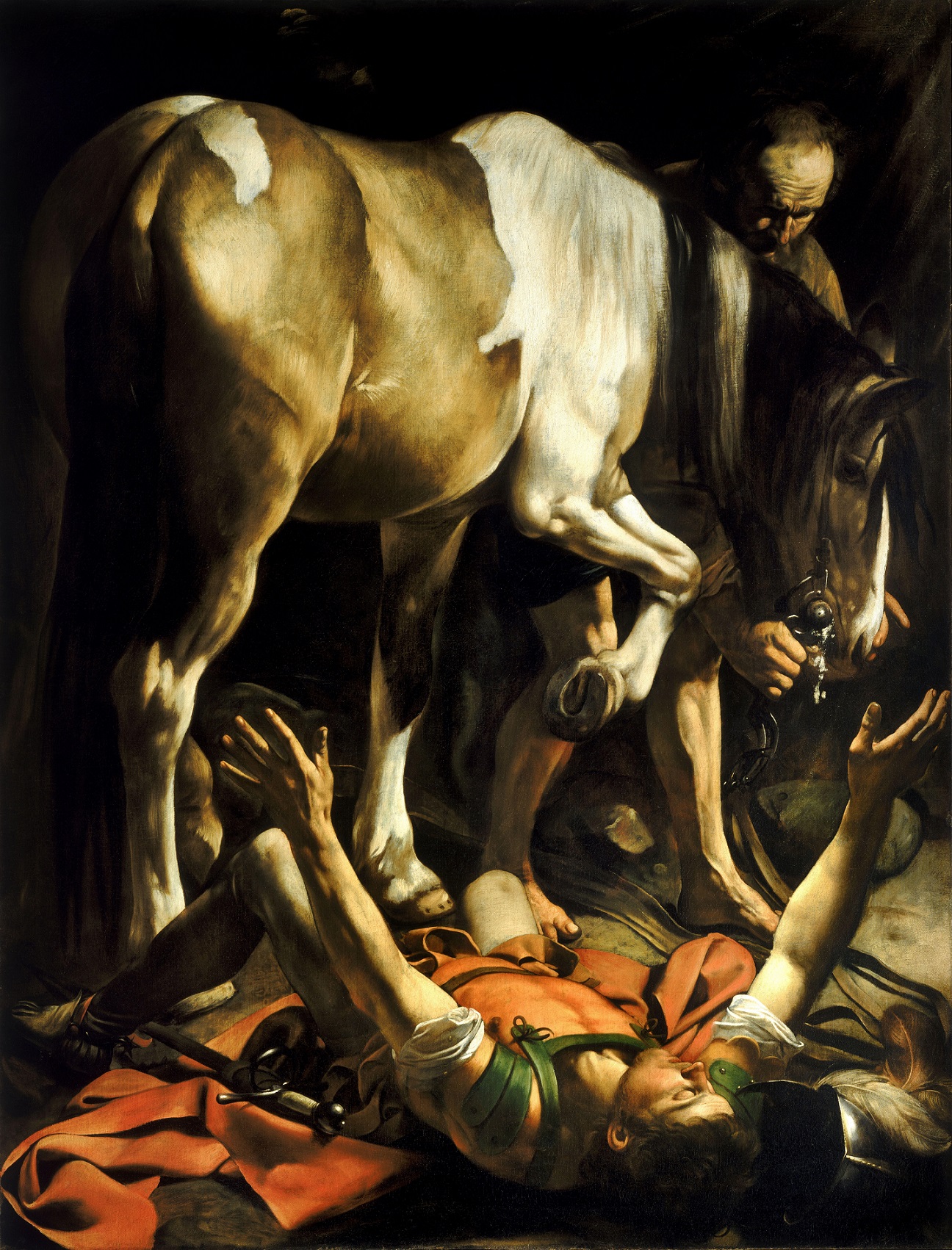
A troubled heart troubled still as I walk in the valley of the shadow of death but Im the shadow of that valley as I strike them with one rod while another comforts them why wont they die as I strike them with My Left as your right upholds them all Ill kill them inhale Ill kill them exhale Ill kill them inhale so on and so forth I walk as the dust of My sandals covers their face while Mine is clean Mine is pristine following none but MySelf on this dusty Damascus road and
then—
Continue reading
My Grandfather’s Passing (Hope in Death?)
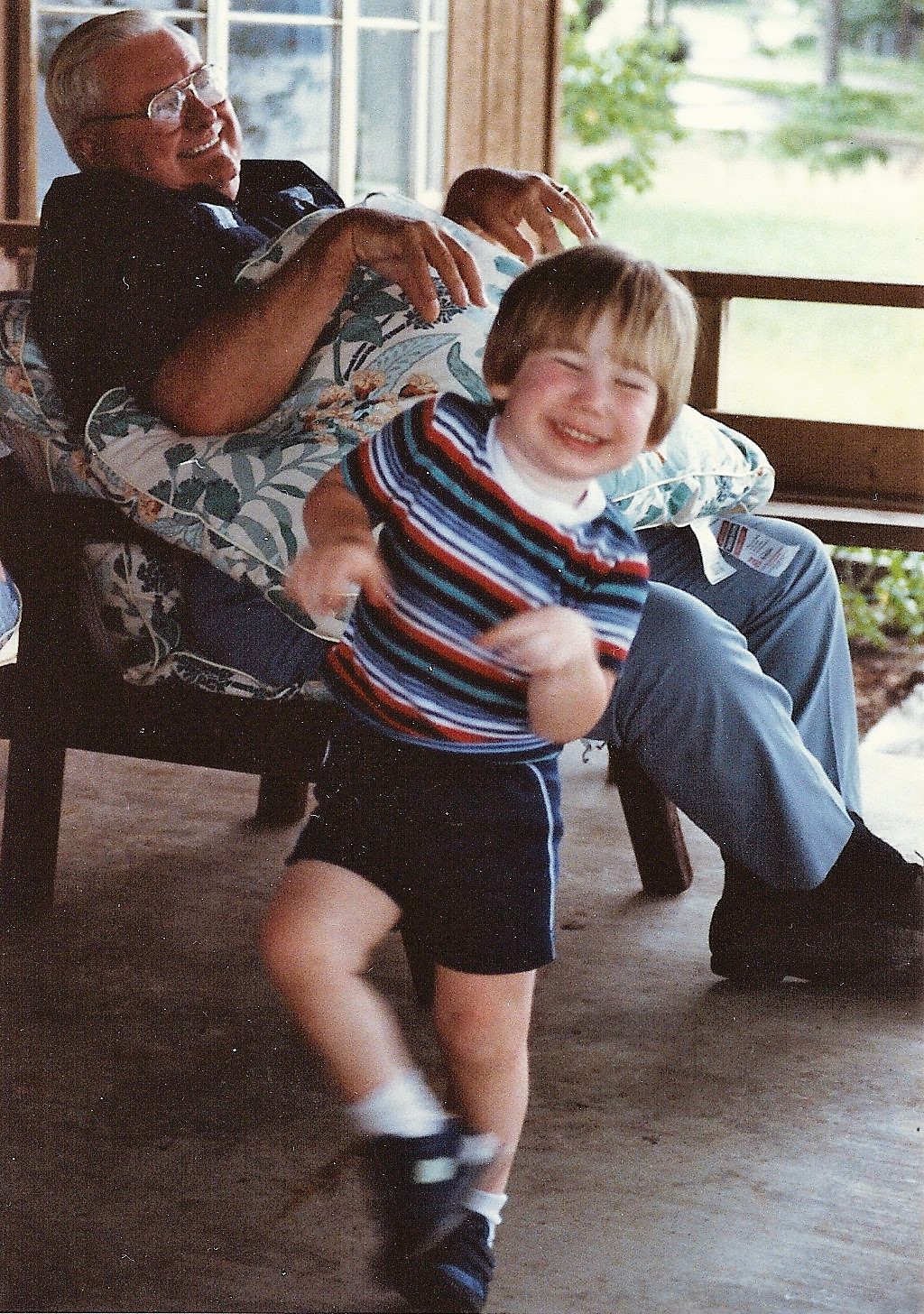 Today is the sixth anniversary of my Grandfather’s death. I am reposting this reflection I wrote at the time.
This past Sunday, the day after Christmas, I watched my grandfather die. This is the first death I’ve experienced of someone very close to me. I’ve known people who had died, sure, but no one as close as this.
This man walked with me and I with him for my entire life. I sat on his knee and was tickled by his hands. I grew up hearing legends about him, and I walked in a general sense of awe and disbelief when in his presence.
His name was (is?) Lester Travis Williamson, or as I knew him for most my life: Peep (a mispronunciation due to the first grandchild’s toddler lisp).
Peep represented for me a tenacity and determinedness of love that great stories of tragedy and triumph are built upon. As their old pastor said during the funeral, he was a man that if you asked for a crumb would give you the entire loaf and then chase you out the door to give you another loaf for the road.
But this is not to be confused with the contemporary pictures of the sentimental, gratuitously giving man–cheerful, talkative, jocular, and always-optimistic. If Peep was anything, he was the quintessential man of his generation–America’s vision of a “real man”–quiet, determined, and strong. He spoke with intention in every syllable, meaning what he said and saying what he meant.


A Theology of Clean Water, Christmas, & Advent
 Tomorrow is my 31st birthday, and instead of any gifts or Facebook Wall well-wishes, I’m asking people to give $31 on my campaign page at Charity: Water to give access to clean water to those in developing country.
But it is also Advent and Christmas season, giving an even deeper and fuller reason to give, especially if you would call yourself a Christian.
Yes, as Christians we ought to care about the pain and suffering of the world no matter what chapter and verse we can cite on a particular issue. But water, however, is uniquely theological and full of meaning.
A Theology of Water & Advent
Water is an essential and mystical part of the Christian story and message, giving us unique motivations and resources for addressing the issue of clean water. The Israel story begins with God creating the world out of the murky depths. The Israelite people are set free from bondage to a prince of death and find their redemption by passing through a Red Sea, which would have held certain death and return to bondage; they enter the Promised Land in a similar fashion. God promises to sprinkle clean his people with the waters of redemption. It is by more than one water well that Patriarchs find their wives and Christ finds a woman in need of redemption. It is in the world to come that the Tree of Life is seen once more, and a River of Life flows from its roots offering life and salvation to all who drink.
Dyeing Tulips: Calvinism, “Free” Will, & Losing Our Religion
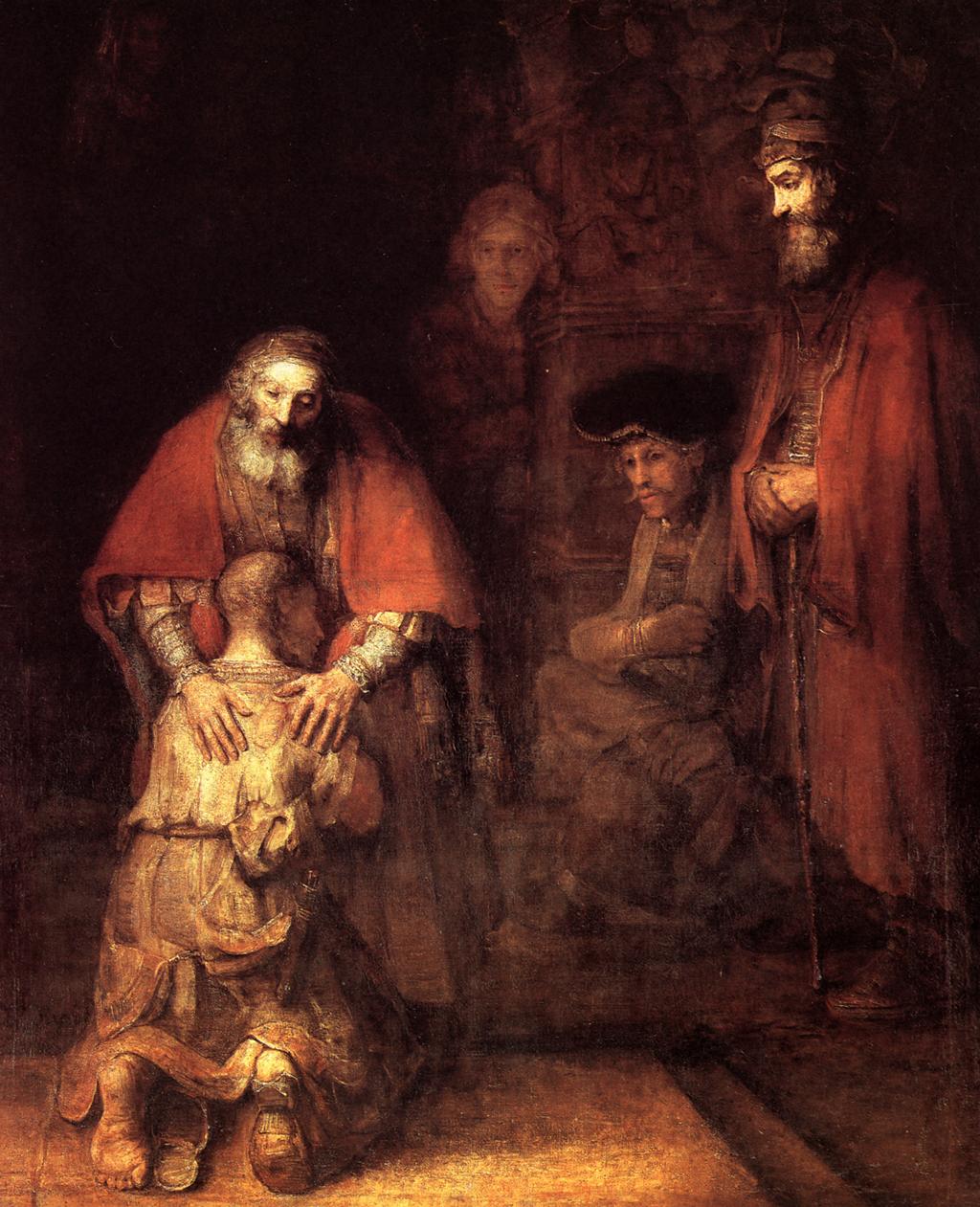 Well, this little miniseries on Calvinism has been fun.
We’ve talked through a book on the topic by Richard Mouw, the history of the doctrine, and I offered my own humble reframing of Calvinism’s traditional first three “points”: Total Depravity, Unconditional Election, and Limited Atonement. Today, we will look at the final two emphases of Calvinist belief.
I hope you’ve been challenged to evaluate Calvinism in broader and deeper ways so that, if you already agreed with it, you were challenged in the complexity and nuance of the issues here; and if you did not, that you found Calvinism a bit more inviting and interesting.
For more on just how broad and diverse Calvinist thought it, I can’t more highly reccomend Oliver Crisp’s Deviant Calvinism: Broadening Reformed Theology or the book that initiated this whole discussion, Richard Mouw’s Calvinism in the Las Vegas Airport. Continue reading
Tweaking Calvinism: Universal Limited Atonement
UPDATE: I’ve finished this little blog series. We talked about a book, the history, and T–U–L–I-P. Enjoy!
I recently offered some proposals on some “less intense” (yet still Reformed) articulations of Calvinism (see above). Today, we embark on the most controversial of the “points” of Calvinism: Limited Atonement.
This is the most difficult of Calvinism’s points, but it’s also its most logical. The least charitable way to summarize it is thusly: Jesus only died for Christians and not others. The more charitable way: No drop of Jesus’ blood was shed in vain; God accomplishes what he sets out to do, and Jesus’ death is effectual to save all whom it is intended to save.
Therefore, the belief is that Jesus’ atoning work on the Cross was “limited” to cover only the sins of people that would become Christians. So how do we move forward? Because after all, there seems to be only two options here concerning Jesus’ work on the Cross: Limited or Unlimited? Particular or Universal? “all who will” or “all who may“?
How can we approach this in a more winsome and erudite way while still calling ourselves Calvinists? Or more importantly, how can we balance God’s initiating power and sovereignty with his universal love and longing that all may be saved?
First, Atonement is NOT Salvation
This is really important. In my last post, I pointed out that God’s Election is more about our life here-and-now, and less about our future eternal destiny. The same can be said of Atonement.
Continue reading
 the long way home
